Ilham Gallery opened in Kuala Lumpur in August 2015 with Picturing The Nation, its inaugural exhibition showcasing works from the personal collection of Malaysian art pioneer Datuk Hoessein Enas, quickly establishing the gallery as a significant presence in the local art scene.
In the decade since its opening, Ilham Gallery has witnessed the evolution of Malaysia’s homegrown art scene, with exhibitions embracing new dynamics, audiences growing younger, and the rise of social media reshaping how art is experienced – art is no longer just art, engaging a more discerning public and intersecting with culture, lifestyle, and social conversation.
A new demographic of visitors has been drawn to Ilham Gallery, which has now reached 38 exhibitions across its two gallery spaces in 10 years.
“When we first opened our doors in 2015, our main priority was building audiences and we did this primarily through education and public programming. Our first exhibition had about 4,600 visitors over a five month period. I’m glad to say that our last exhibition The Plantation Plot (April to September 2025) had over 41,000 visitors over the same period,” says Rahel Joseph, Ilham Gallery director.
“It has been wonderful seeing our audiences grow, and especially gratifying that most of our audience consists of young people – our largest demographic is 25 and below,” she adds.
The contemporary art exhibition format in the Klang Valley has found a space willing to take risks and push boundaries, responding to the currents of contemporary practice and the sensibilities of a new generation tuned into global dialogues, digital culture, and critical ideas – where exhibitions are not just displays, but engagements that matter.
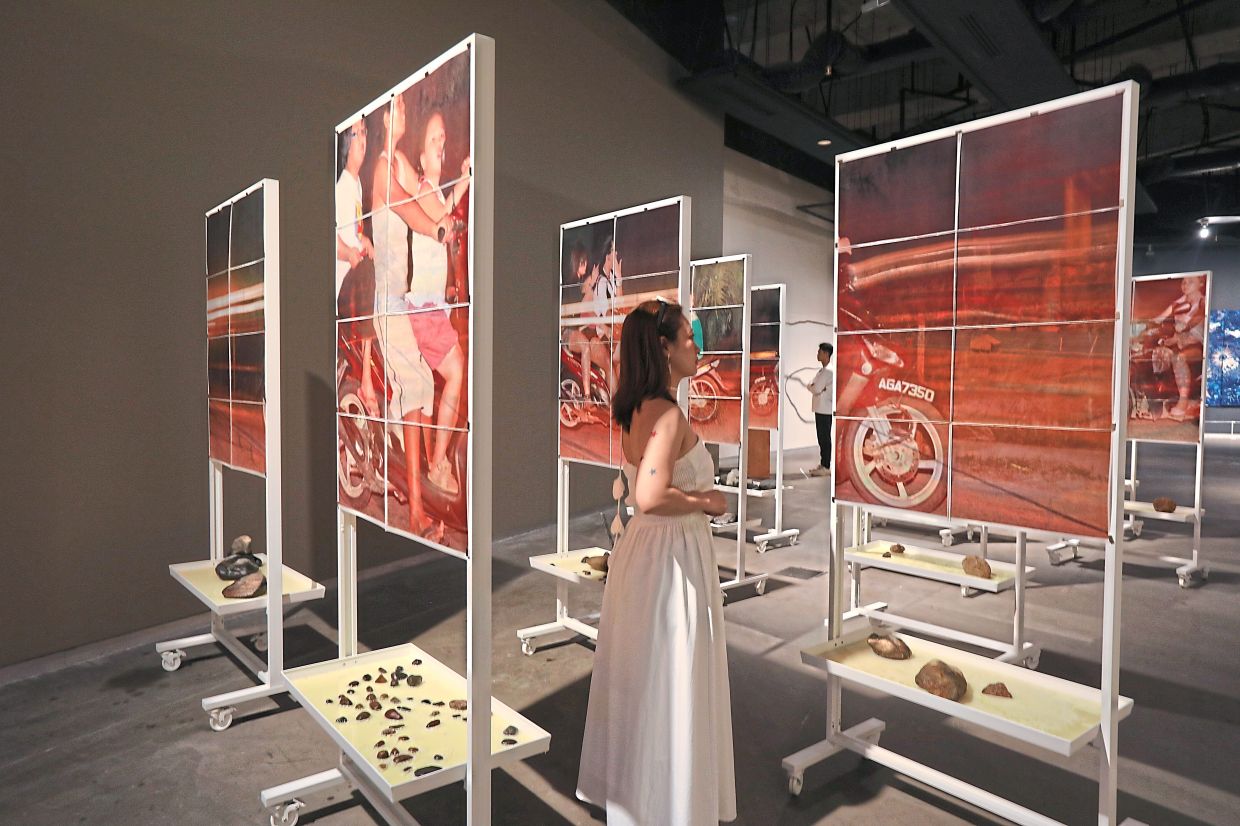
Ilham Gallery’s curatorial vision – whether guided in-house or by guest curators – draws inspiration from regional and international contemporary practices, building a network of artists, institutions, and ideas that not only shapes its exhibitions but also creates new dialogues and experiences for an engaged public.
“In our early years, our programming revolved around Malaysian-focused art historical exhibitions. However, our exhibition programming is now more regional and international whether through partnering with institutions in the region, such as the National Gallery Singapore, Singapore Art Museum, and MAIIAM Contemporary Art Museum, KADIST, and In-tangible Institute in Chiang Mai, Thailand, or through working on exhibition projects with curators and artists from the region,” says Joseph.
Next month, Ilham Gallery will present South Korean artist Eunhee Lee's Colorless, Odorless, a single-channel video installation created with support from the Han Nefkens Foundation–Loop Barcelona Video Art Production Grant 2023, in collaboration with Ilham Gallery, Fundacio Joan Miro, Inside-Out Art Museum Beijing, MoCA Taipei, Centre d'Art Contemporain Genève, and Art Hub Copenhagen.
Nurturing a new generation
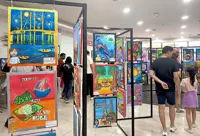
The inaugural Ilham Art Show in May 2022, held as the nation slowly emerged from the pandemic, was met with resounding success (with over 45,000 visitors).
With homegrown art at its core, the open-call exhibition not only drew record weekend crowds but also underscored the gallery’s role in nurturing and showcasing Malaysia’s emerging artistic talent.
Since then, other Ilham Gallery shows have also enjoyed strong visitor numbers - notably, the popular culture-inspired Boom Boom Bang: Play & Parody In 1990s KL exhibition in October 2024.
The second Ilham Art Show, which opened last month, is poised to set new attendance records.
“Another of our programming priorities is supporting contemporary artists in Malaysia and supporting the making of more conceptual and experimental art, so it felt absolutely right to be hosting our second edition of the Ilham Art Show in our 10th year,” says Joseph.
“The Ilham Art Show is our only open call exhibition platform and one that we have every three years. We deliberately conceptualised the application process to be as open as possible,” she adds.
The Ilham Art Show, unusual for an institutional initiative, has struck a chord with younger audiences, spotlighting new talent alongside established ones.
“The show allows us to connect to younger artists. It does not only provide them with a space to show their work, it also supports their practice by giving them funding to make new, more experimental work,” says Joseph.
“For us at Ilham, the process been really exciting. It’s been wonderful to discover younger artists like Emran Beams Shaqif or observe an artist like Kimberly Boudville really come into her own with the very moving installation work she produced for the show,” she adds.
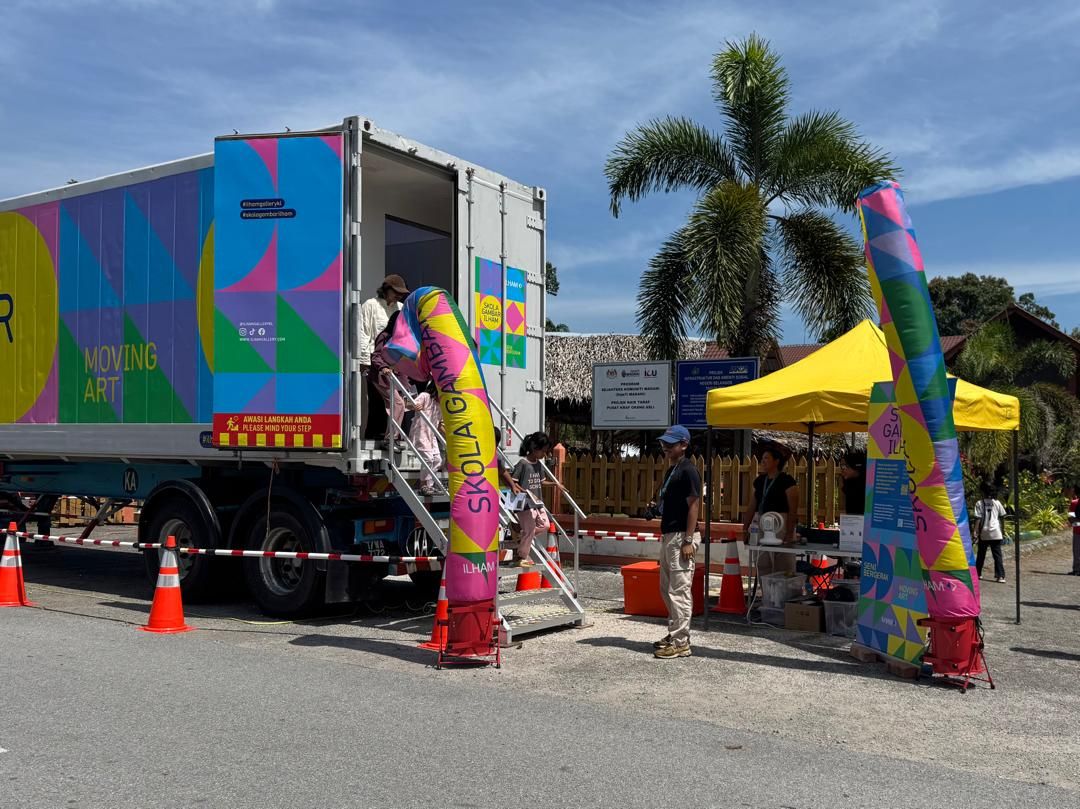
Outside the gallery setting, the Skola Gambar Ilham initiative, launched in July, brings art to the nation via a 12m climate-controlled shipping container. After touring the Klang Valley, the "art gallery truck" will travel beyond Kuala Lumpur over the next two years, reaching audiences in Sabah, Sarawak, and other parts of Malaysia.
The specially curated exhibition aboard the mobile gallery truck, titled Ceritalah, features works by 12 Malaysian artists. The exhibition-on-wheels is accompanied by educational materials and texts to provide context and spark discussion, particularly among students, while each stop includes workshops and public programmes tailored to the local community.
“This mobile gallery project furthers our mission to make Malaysian art accessible to all, as we see arts education as a vital tool for nurturing creative and critical thinking in young people,” says Joseph.
“Museums and galleries are often limited to those living in Kuala Lumpur with easy access. We aim to bridge that gap by bringing the gallery experience to communities who might not otherwise have the opportunity,” she concludes.