The Islamic Arts Museum Malaysia (IAMM) in Kuala Lumpur will open its year-end showcase, Busana: Traditional Costumes Of The Malay World, on Dec 12. The exhibition runs until April 12, 2026.
Its arrival coincides with a renewed enthusiasm for traditional attire among Malaysians, who are increasingly incorporating baju kurung, kebaya and baju Melayu into their daily work and social wardrobes.
This revival was further bolstered in 2023 when Unesco inscribed the kebaya as a shared Intangible Cultural Heritage of Humanity for Malaysia, Singapore, Brunei, Indonesia and Thailand.
Building on this momentum, IAMM’s upcoming exhibition draws from its renowned textile collection to highlight the depth, artistry and craftsmanship of Malay dress across the region.
The showcase reflects the expansive cultural landscape of the Malay world, encompassing present-day Malaysia, Indonesia, Singapore, Brunei, southern Thailand and the Philippines.
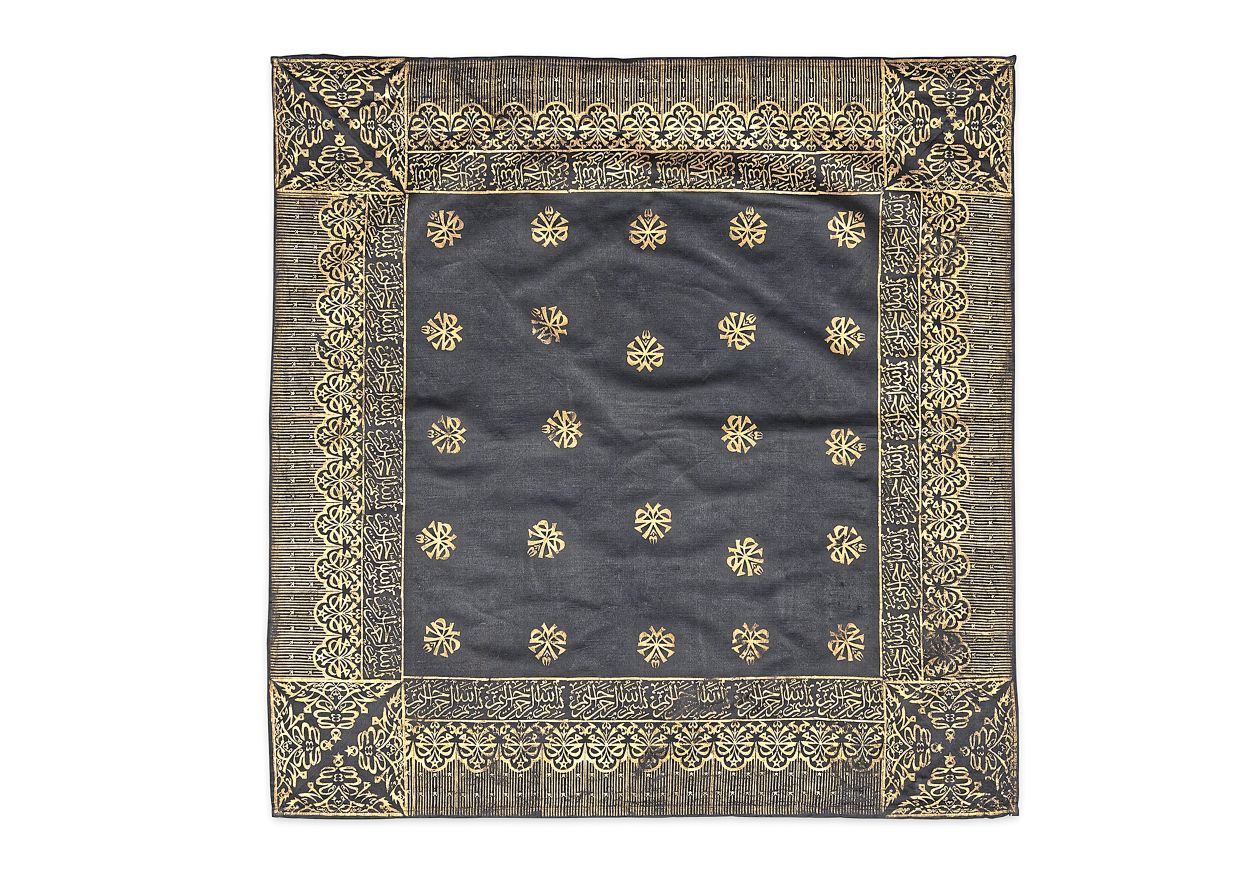
“Highlighting the artistry behind busana, a term referring to the traditional attire of the Malay world, the exhibition is curated around the distinctive textile techniques that define Malay sophistication. From shimmering songket to rare double-ikat limar, intricately dyed batik, fine tenun weaves and the noble floral embellishment of telepuk, the exhibition examines how these practices have shaped and influenced the taste, identity and artistry of the Malay world,” outlines the exhibition notes.
Among the distinguished pieces on view are garments from the late Tun Endon Mahmood, wife of Malaysia’s fifth prime minister, the late Tun Abdullah Ahmad Badawi.
Loaned by Yayasan Budi Penyayang and held under IAMM’s custodianship, these works offer rare insight into a collection guided by a passionate advocate of Malaysian textile heritage.
Visitors can also expect an extensive display of textile traditions alongside complete ensembles such as the baju kurung, baju kebaya and baju Melayu teluk belanga. These are presented with accessories including the selendang (shawl), samping (waistcloth) and destar (headdress), illustrating how each element contributes to a visual language shaped by status, ceremony and spiritual values.
The exhibition also spotlights refined forms of Malay embroidery, from tekat emas with its raised gold couching to kelingkan, distinguished by its fine metallic-thread work. Another highlight is the kebaya nyonya, a garment shaped by both Malay and Chinese influences, noted for its delicate lace and vibrant embroidery.
A dedicated section also examines Islamic influences within Malay textile traditions, tracing the evolution of motifs, calligraphy and geometric patterns.