
Millions of tourists visit the Colosseumand Sistine Chapeleach year, yet only a tiny fraction ever step inside the gilded halls of Rome’s most exclusive site: the Colonna Palace.
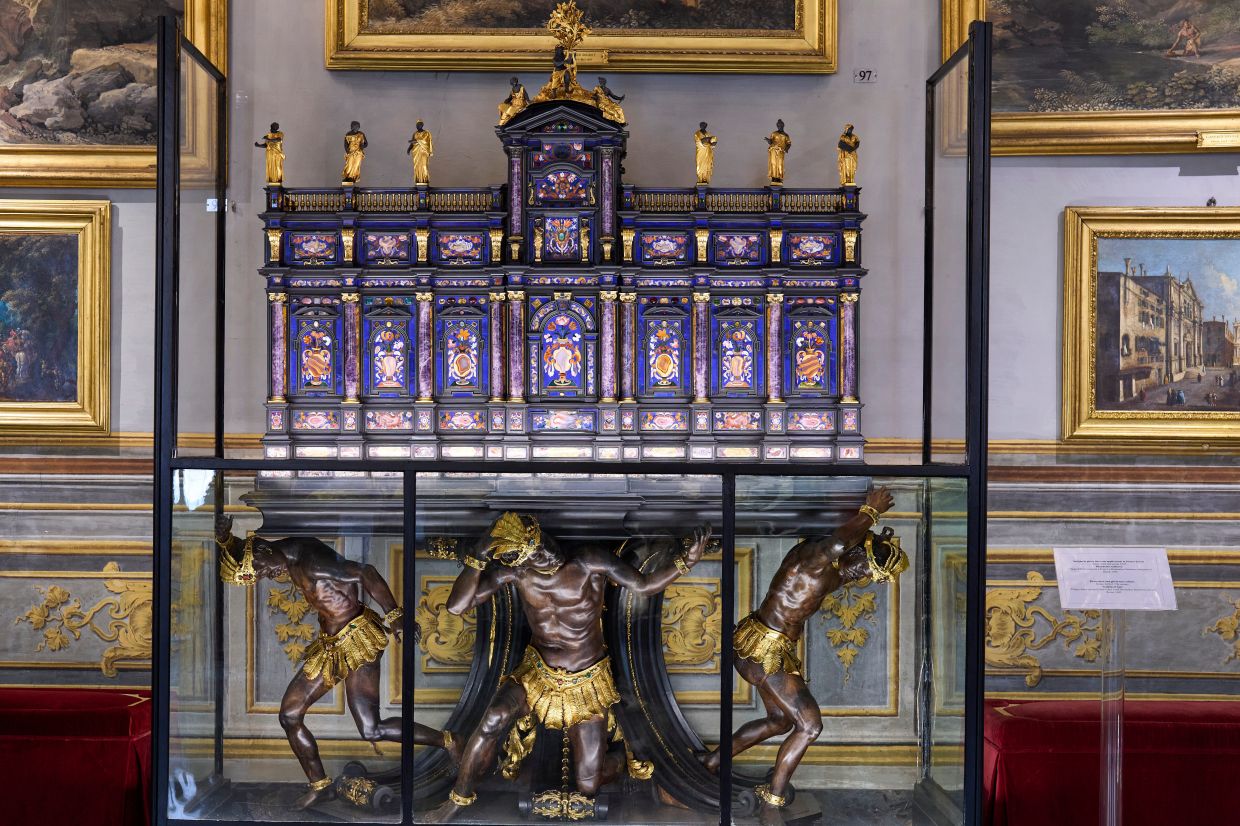
The private home-museum hides in plain sight, spread out in four wings over an entire block in the city centre. Its owners cling to their cloistered ways, keeping the baroque palace’s paintings, sculptures, busts, tapestries and 76m (249-foot) Great Hall far from most prying eyes. Doors open to small groups, 10 people at a time, guided by art historians for a few hours on Friday and Saturday mornings.
"We cannot have mass tourism. It is not the wish,” said Elisabetta Cecchini, a restorer at the palace, adding that the reason any visitors are allowed is because art dies in the absence of public appreciation. "It is not intended as a museum to be commodified.”
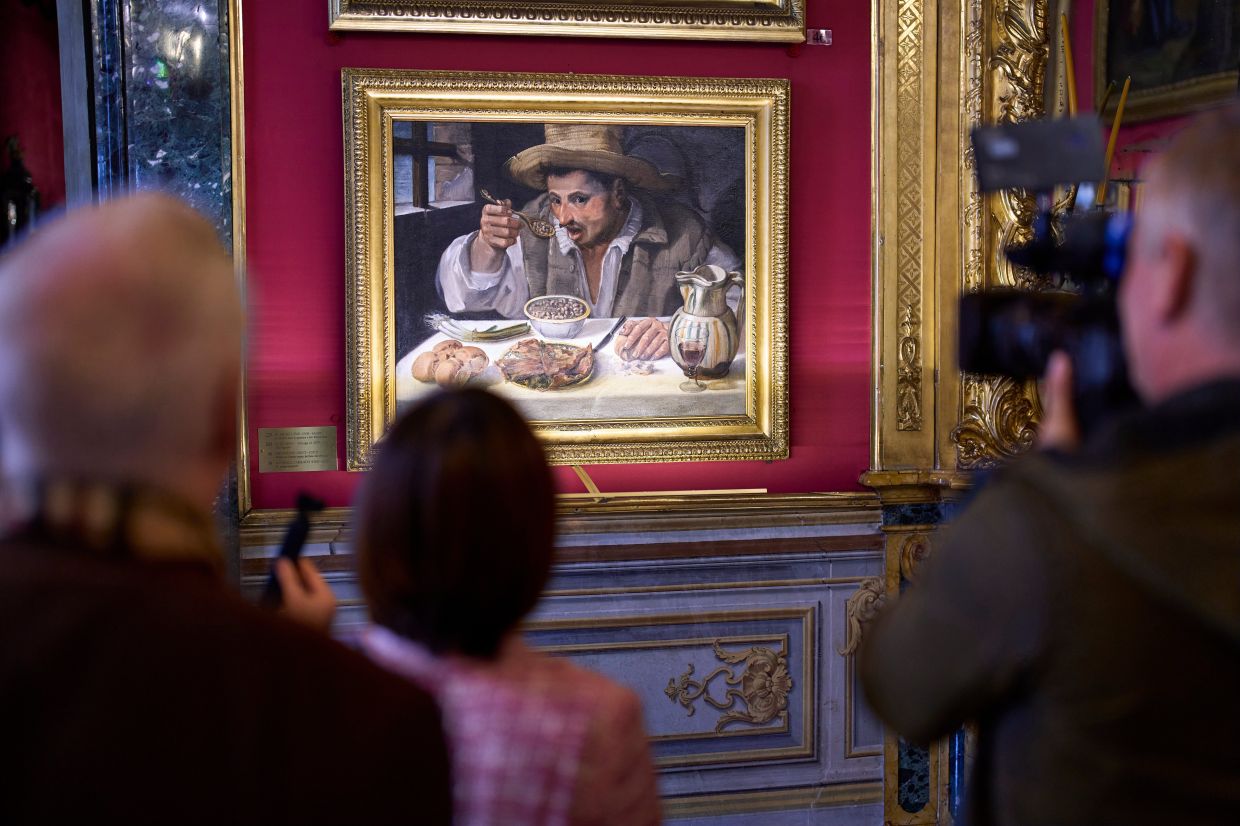
The family’s sitting prince, Don Prospero Colonna, still resides there, granting infrequent approval to hold events like the release of Pope John Paul II’s book in 2005 and the 2018 Metropolitan Museum of Art exhibition of Catholic fashion, attended by designer Donna Versace and Vogue magazine’s Anna Wintour. Both marked rare instances of journalists gaining admission.
Claudio Strinati, a former superintendent of Rome's museums, supports the palace’s relative seclusion, calling it "indubitably one of humanity's greatest artistic heritages” and one the family has a duty to protect.
"These were not conceived as tourist attractions,” he said. "Rather, they are made for those who have a certain understanding of history.”
Since the 12th century, the palace has belonged to the Colonnas, part of the "black nobility” - the name for Roman families who remained loyal to the Pope and the Papal State when the Italian army took the city in 1870 to create a unified nation. They hung black banners outside their palaces to show they were in mourning while, within their walls, they held fast to their masterpieces.
For two centuries, the Colonnas have maintained a trust guaranteeing the palace's precious artworks will forever remain there. Princess Isabella Colonna is credited with saving the family treasures.
She fled Rome when the Nazis invaded, but not before ordering all artworks be "crammed into a wing of the building whose entrances were then walled up,” Cecchini said. The soldiers failed to find them.
Today, the interior betrays a history of power and privilege. In the Throne Room, a portrait immortalises Oddone Colonna, who became Pope Martin V in 1417 and made the palace the papal residence for a decade. The Great Hall’s frescoed ceiling depicts the exploits of another Colonna forebear, Commander Marcantonio, who won a 16th-century naval battle that proved a watershed for the future of Europe.
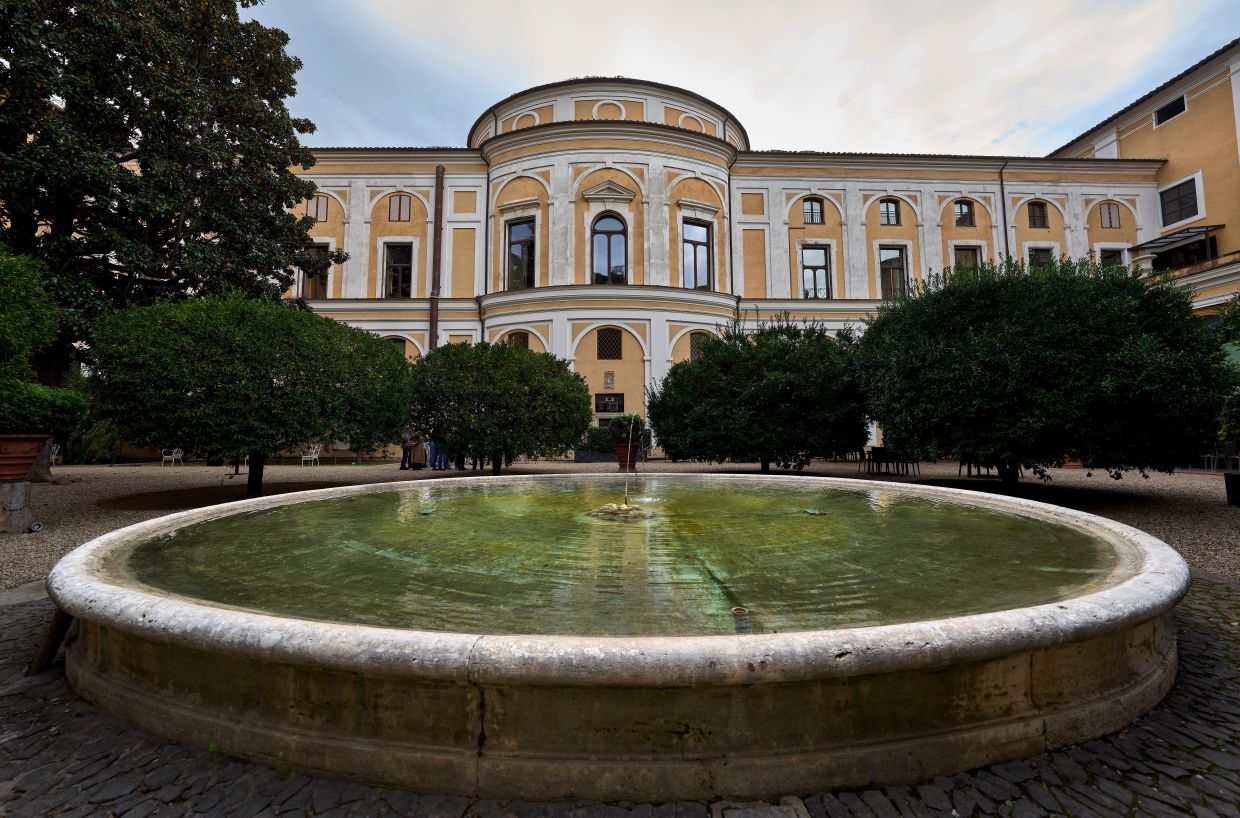
"We can say that the Colonna cannot exist without Rome, but even Rome cannot exist without the Colonnas," Patrizia Piergiovanni, director of the palace’s gallery, said in an internal courtyard dotted with orange trees. "Being one of the great families, they have contributed a lot."
With Princess Isabella’s blessing, the Great Hall, with its masterpieces set amid marble columns and glittering chandeliers, became the set for the final scene in the 1952 classic Roman Holiday.
Playing a beloved princess herself, Audrey Hepburn addressed the foreign press corps and fielded a question: which city on her extended European tour had she most enjoyed? After some diplomatic equivocation, she stopped short.
"Rome,” she said firmly. "By all means, Rome. I will cherish my visit here in memory as long as I live.” - AP