The traditional art form of wayang kulit, or shadow puppetry, was long a male domain – performed at night, when women were expected to stay home.
Its tales, too, revolved around male heroes, wars, and conquests from the Hindu epics Ramayana and Mahabharata.
But Wayang Women, a female-led troupe, is rewriting the story.
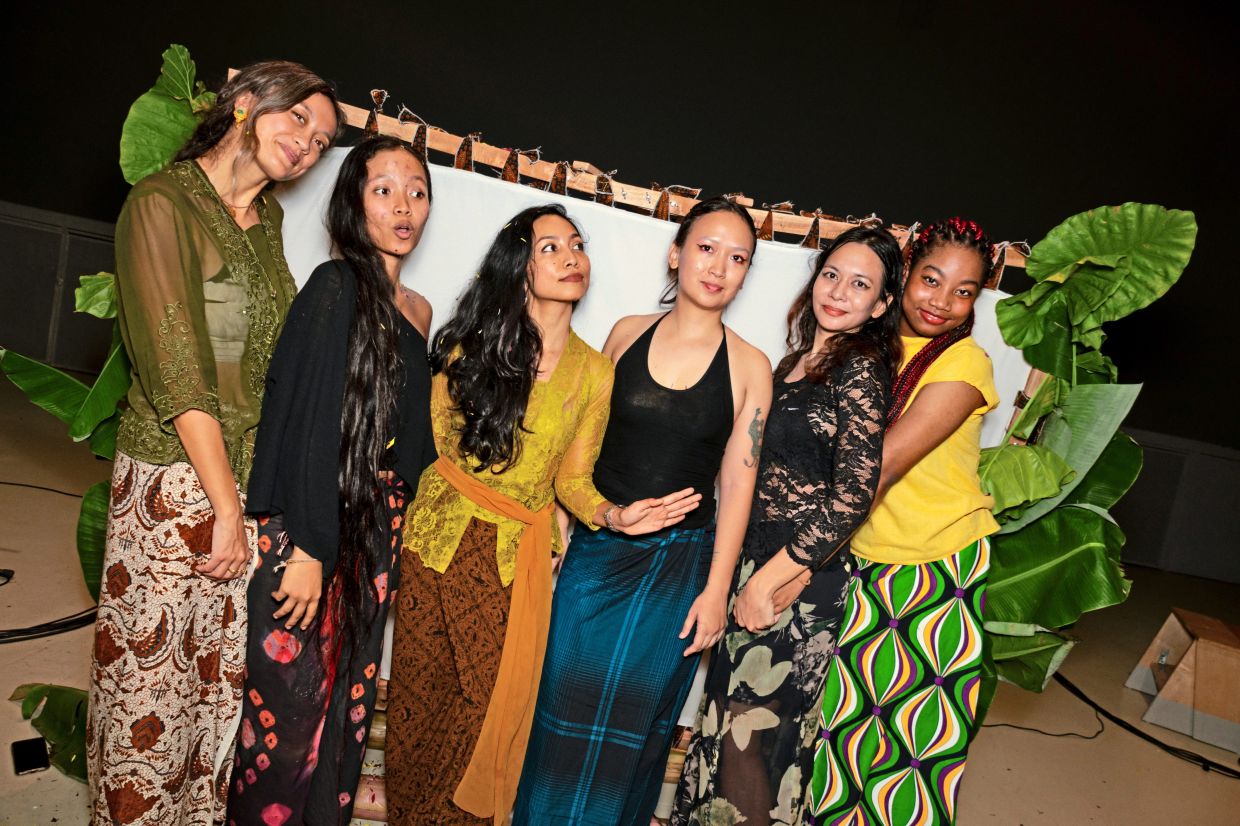
Founded in 2023, the eight-member ensemble blends traditional Kelantanese puppetry with contemporary performance, using music, shadow play, projections, and storytelling to highlight women’s voices and folklore.
Led by Malaysian theatre producer and puppeteer Illya Sumanto, the troupe animates intricate leather puppets crafted by Thai artist-designer Mali – merging traditional artistry with modern design to tell powerful stories.
On stage, the line-up is completed by Tigra Rose (Indonesia) on celempung, suling, guitar, pianica, and rainstick; Ola (Thailand) on khim and saw-u, Annabel Laura (Indonesia) on guitar, custom ocarina, and opera vocals, Victoria Yam (Malaysia) on laptop, Sophie Decker (Germany) on synthesisers and guitar, Lynn Nandar Htoo (Myanmar) on samplers, and Sarah Amer (Malaysia), creative producer.
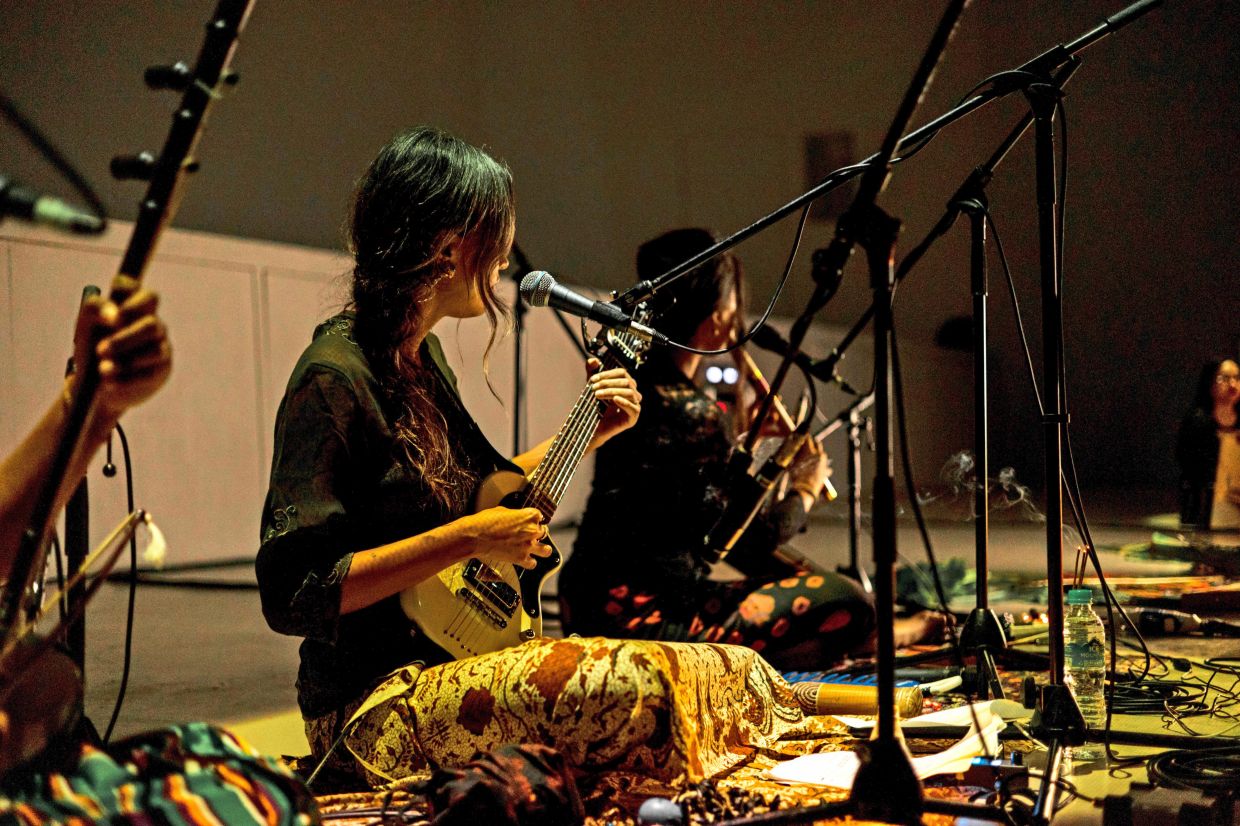
Wayang Women also fuses traditional instruments from Indonesia, Malaysia, and Thailand with electronic music, found sounds, and vocals.
Its ghostly, folkloric tales premiered at Chiang Mai Design Week in Thailand last December, before the new series Hantu Kopek: Wayang Women In KL made a sold-out Kuala Lumpur debut at RexKL in October.
Sarah, based in KL, says the response to their recent performance exceeded expectations.
“We sold 720 tickets over two nights and even had to release extra seats at the last minute,” says Sarah, who accepted the Krishen Jit Fund 2025 grant in KL in October on behalf of the Wayang Women project – a testament, she adds, to how deeply the show’s spirit resonated with local audiences.
“We knew we had to bring the show to KL to see how an unconventional work like this would connect with wider audiences – and it was deeply humbling to witness the warmth and curiosity that greeted us,” she adds.
A space to belong
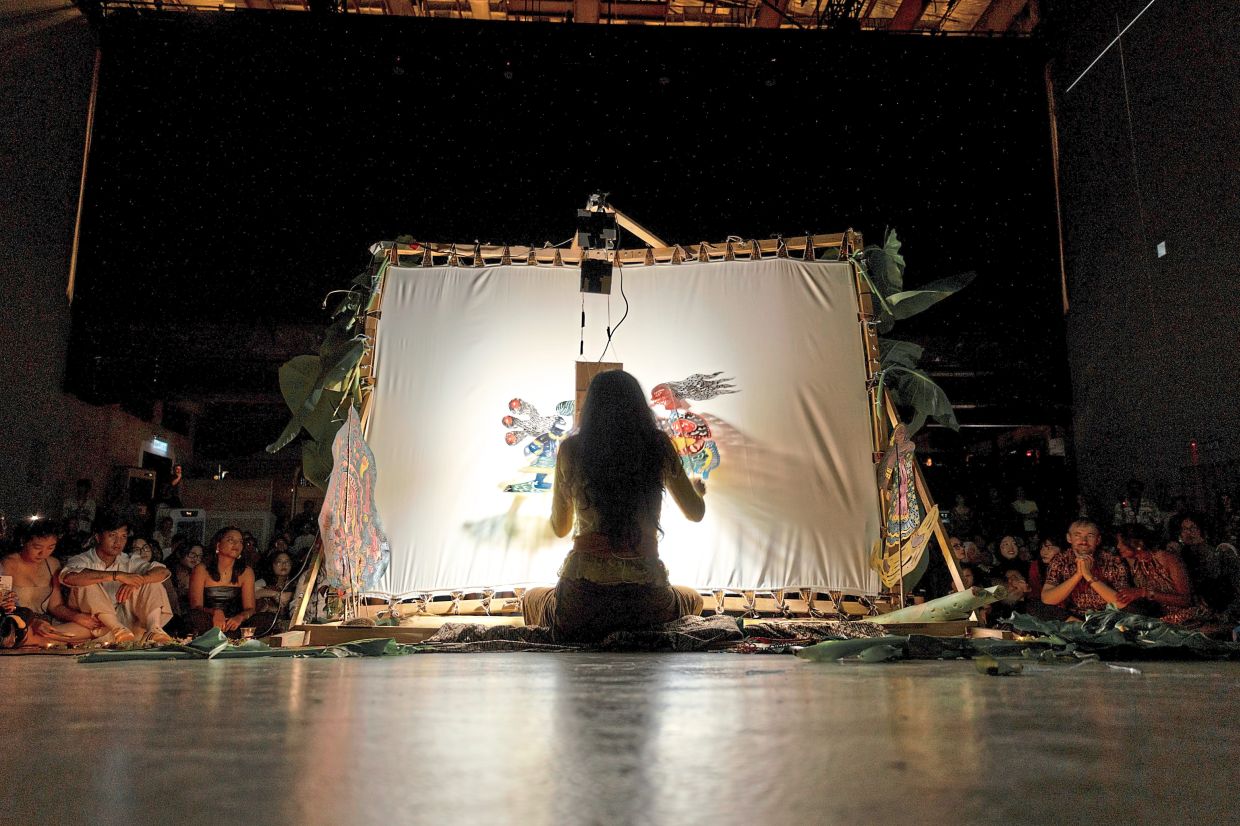
At Wayang Women’s Friday opening night show at RexKL last month, the packed house spilled onto the stairs, with many standing at the back – all captivated as Illya animated the puppets and story in rhythm with the music and shadows.
The idea for an all-female troupe first took shape while Illya was training in Kelantan in 2023 with wayang kulit master Pak Dain, and his musicians, when she realised she was the only woman in the room.
“At the time, I felt a little out of place and self-conscious, because I was the only woman in the group. I found myself wishing there were other women playing alongside me, so that I could feel more comfortable expressing myself fully and freely,” says Illya, 35, who works as an arts teacher in an international school in Chiang Mai.
For over two years, she has been training under Pak Dain, who has more than 30 years of experience, making trips to Kelantan whenever she has time off.
“I realised that having women around might have allowed me to take more risks, explore my own style, and feel a stronger sense of belonging in the music. It made me reflect on how important representation and inclusivity are in musical spaces, and how the presence of women can create a more supportive and open environment,” she adds.
With members based in different countries, Wayang Women plans shows remotely and reunites for music retreats before performing.
At its Chiang Mai Design Week show last December, the group spent five days in Illya’s living room creating music together. It also performed at the International Women’s Forum in Bangkok that same month.
Ranging in age from 17 to their late 30s, the women of Wayang Women bring not just talent but also regional flavours – a true South-East Asian tradition.
“Working with the women is fun because we all cook! Imagine sambal from Myanmar, northern Thailand, Bali, Java, and Negri Sembilan all in one meal. We don’t just make music; we feed each other, share stories from our mothers and grandmothers, learn each other’s folk songs – and laugh a lot!” says Illya.
Myths and fears
Another way that Wayang Women is rewriting tradition is through the stories it tells, particularly South-East Asian ghost stories from a distinctly female perspective, focusing on well-known (and well-feared) spirits such as hantu kopek, pontianak and penanggal.
“Most spirits in South-East Asian stories are female, so I use female bodies in our performances to question these superstitions. These stories show women’s experiences and struggles, but they also make us think about how fear has been used.
“Many tales were told to children to keep them away from forests or nature,” says Illya.
“We want to ask why society links fear to women and to the natural world, and what that says about our disconnection from both. Through these performances, we give voice to women and invite audiences to reflect on the myths and fears we’ve inherited,” she adds.
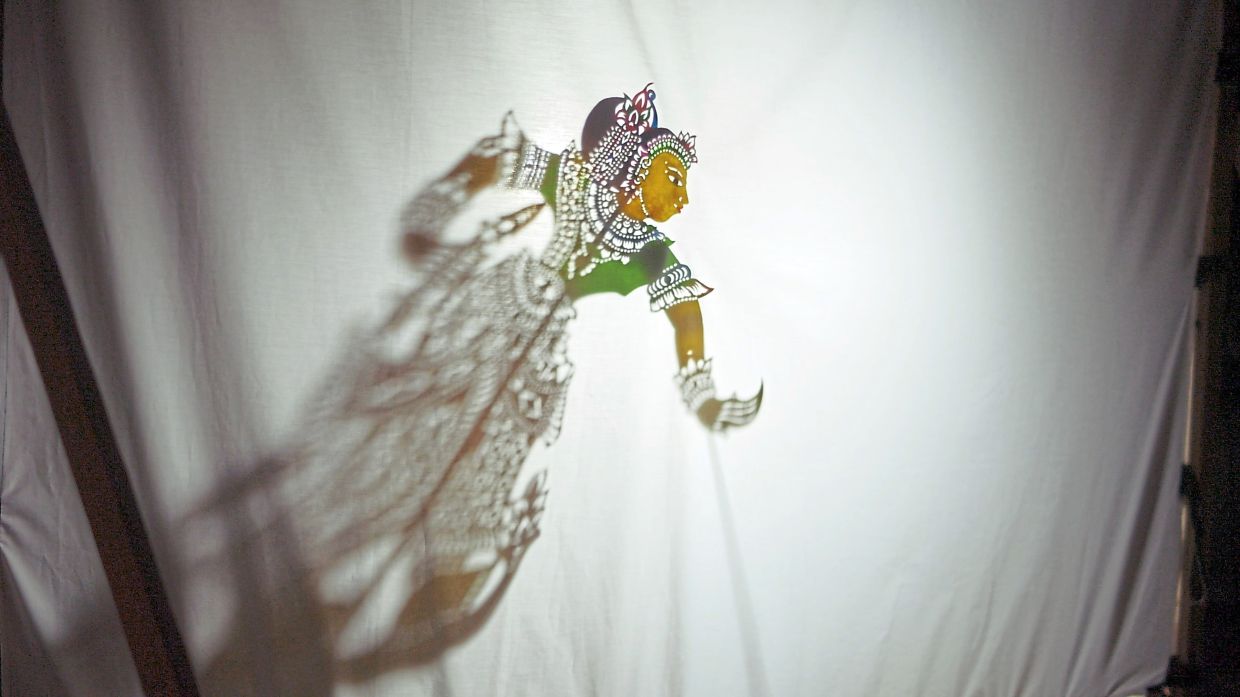
But Wayang Women doesn’t abandon tradition. Each show opens with the Kelantanese “Dewa Panah” scene, performed by Illya as taught by her mentor Pak Dain – preserving the essence of the form.
At RexKL, she performed a traditional wayang kulit followed by a contemporary hantu kopek piece – an hour-long show whose physical demands were matched by Illya’s passion and commanding presence behind the screen.
So does Illya see herself as a Tok Dalang in her own right?
“You can call me whatever you like!” she says cheekily.
“My experience so far as a female puppeteer has been a journey. When I started learning from Pak Dain two years ago, my puppet manipulation was so stiff. Watching him perform, I was amazed by the grace and softness in his movements.
“But during the fighting scenes, I thought I could never match the energy that male dalangs have. That pushed me to start working out my upper body seriously, building strength and muscle. Now, I feel the confidence in my performance that I didn’t have before. Even the sleeves of my kebaya feel tight now when I perform,” says Illya with a laugh.
So what’s next for Wayang Women?
“It’s always been on our bucket list to perform in all the countries where Wayang Women are based. We’ve already checked Thailand off the list, and now we’ve finally brought the show to Malaysia before moving on to Indonesia.”
On Nov 1, Wayang Women performed at the Ubud Writers & Readers Festival 2025 in Bali, presenting the Wewe Gombel show to the literary crowd there.
It centred on the story of a female spirit or vengeful ghost in Javanese mythology said to kidnap children.
“Next year, we hope to tour Europe, with invitations from the Malaysian ambassadors to France and the Czech Republic – but we’ll need funding to make it happen,” says Illya.
“Every ticket also helps keep the show alive – supporting artistes, logistics, and our mission to share South-East Asian stories worldwide,” she concludes.
Instagram: @wayang.women.