If the two lively, warmly received satellite events held recently at KLPac are anything to go by, the inaugural What The Elders Left Us festival’s main weekend at DPAC in Petaling Jaya, from Oct 31 to Nov 2, promises to show just how eager theatre-goers and the wider public are to reconnect with Malaysia’s theatrical past – the lost histories, overlooked playwrights, and unforgettable stories that defined the golden age of Malaysian theatre in the 1960s and beyond.
The What The Elders Left Us festival, organised by Instant Cafe Theatre, is more than a theatre event – it’s a living archive, a communal act of remembrance vividly enacted on stage.
Classic works are not only recalled but reimagined, proving that Malaysia’s theatrical history is not a relic of the past, but a vibrant, present force that continues to resonate.
Personal and performative
The festival kicked off earlier this month with Datuk Faridah Merican recalling her early theatre roles – iconic characters like Mayang, Rokiah, Mariam, and Dara – written by playwrights Syed Alwi (Mariam from Menuju Utara), Usman Awang (Dara from Uda Dan Dara), and K. Das (Mayang from Lela Mayang and Rokiah in Perfumes).
In conversation with Faridah, Instant Cafe founder Jo Kukathas helped make the Independent Women festival opener at KLPac a delight for the packed audience at KLPac, as contemporary actors stepped in to embody the memorable roles.
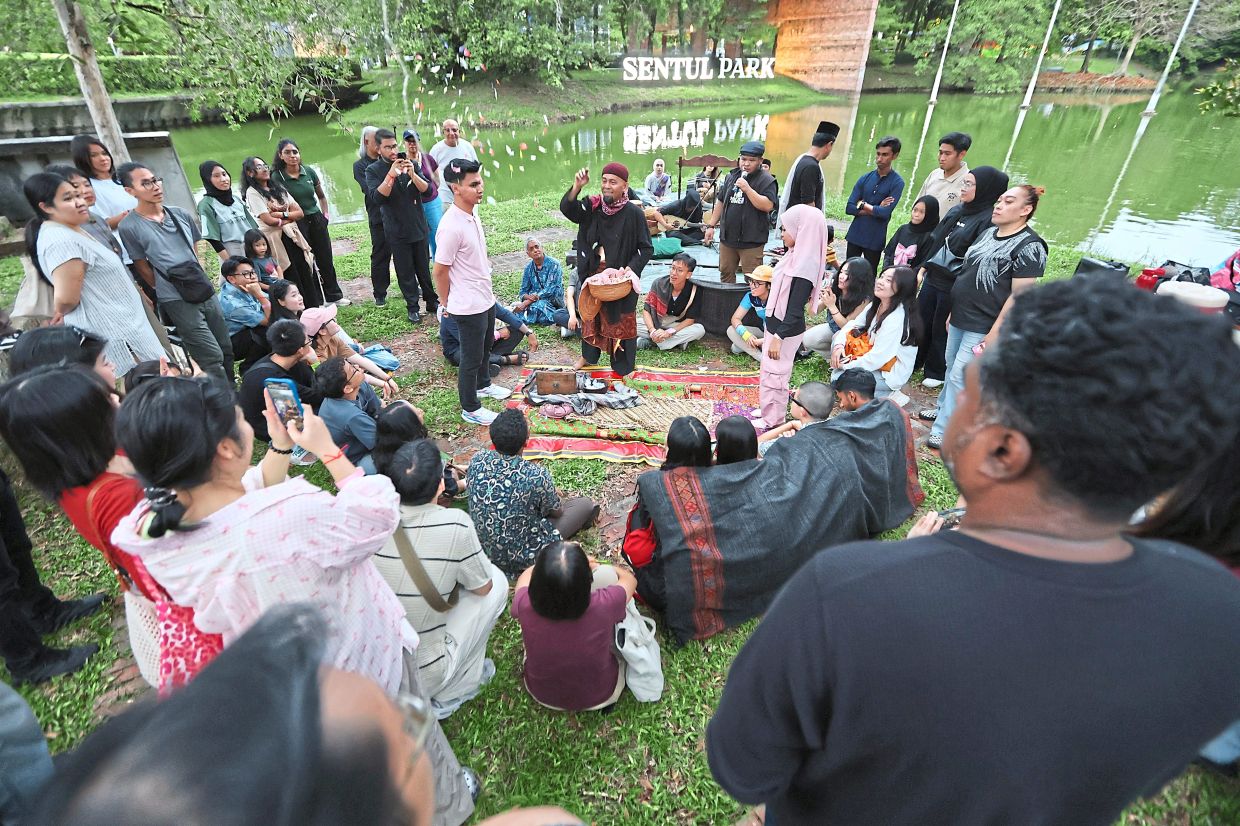
Last weekend, the What The Elders Left Us festival went outdoors with a theatre procession led by Rosdeen Suboh. The performance reimagined a story featuring Mariam, joined by Tok Perak from Tok Perak and Alang from Alang Rentak Seribu.
An enthusiastic crowd, young and old, came ready for the Syed Alwi celebration, enjoying a walkabout through the KLPac grounds.
In many ways, judging by the early response, the satellite events underscore that such a festival was truly needed, with the main programme at DPAC starting this Friday, offering even more to revisit, rediscover, and celebrate.
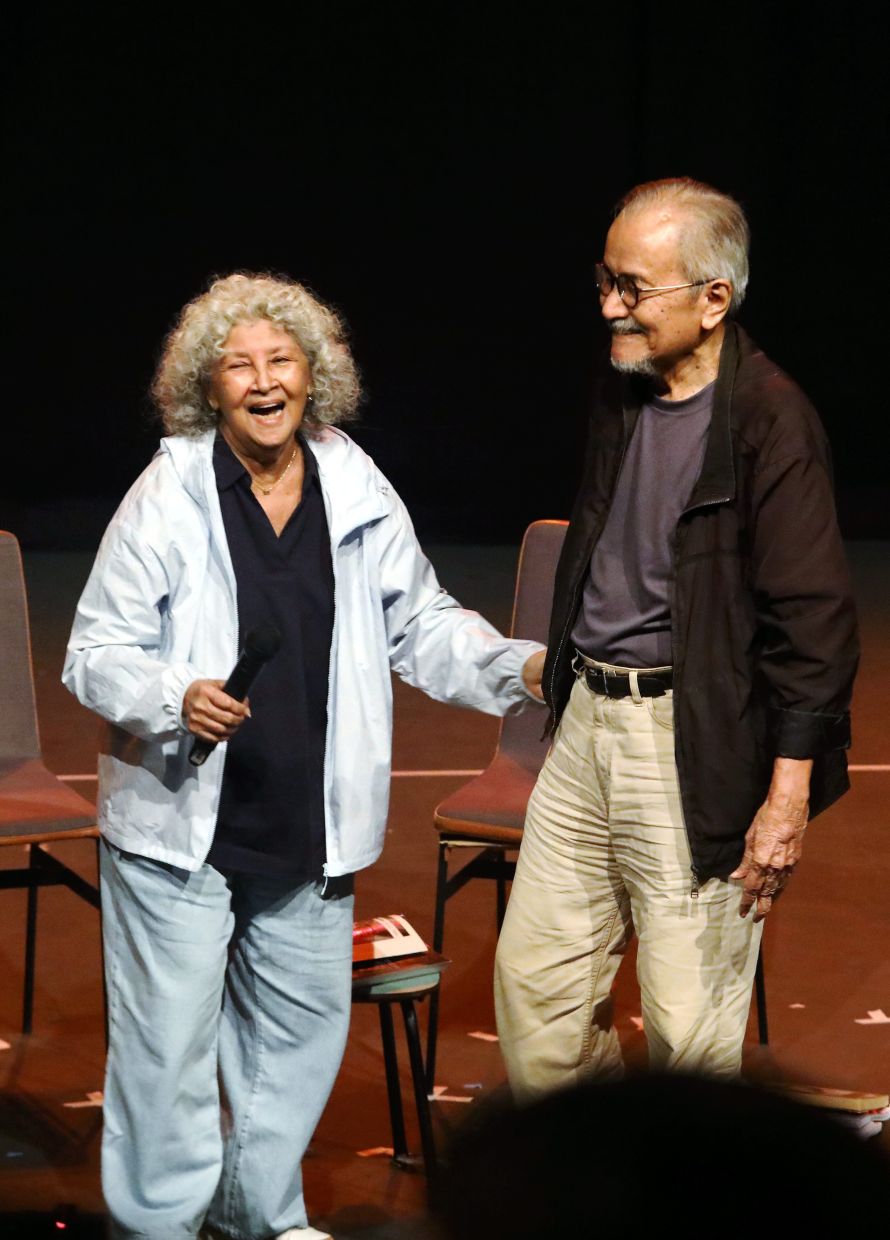
“We think we are trying to make it very personal and performative. We are artists trying to understand and connect with other artists through theirs and our art. We are approaching them with curiosity. We want to have a conversation with them,” says Kukathas, thumbing through a packed programme ahead.
“Even if the artist is gone we are trying to have a conversation with them through what they created. Their souls are in what they created – their stories, their words, their music, the characters they created, their philosophies, their attitudes to life. We are trying to listen more closely. Artists are complex so we don’t want to deify them. We want to enjoy them, play with them, question them, and learn,” she adds.
Broadly, the festival focuses on the 1960s – a time of nation-building and artistic optimism, when creativity flourished alongside the dawn of a new Malaysia.
The programme also highlights strong familial connections and creative bonds woven throughout.
“I thought with this first iteration of the festival that we would make it a bit of a family affair because there are so many artists in Malaysia who come from families where there are other artists. In this way I hope we can embrace the idea of art being part of a family’s way of life, of a way of being, of a way of living. Even if you don’t become an artist, art is important in a family unit,” says Kukathas.
“But it is not only blood families. The idea of guru or teacher is also important. The artist always wants to impart what they know because they see the person who loves the art they make as part of their family. They in turn then want to hand something down to the next generation,” she adds.
Let’s head to DPAC
At its core, What The Elders Left Us carries a wide scope, and as a first attempt, the small team of organisers hope it will inspire people to explore their own history and heritage, seeing it as part of the country’s cultural fabric.
“What is culture but the coming together of various art forms from different places? We create the cultural fabric. The elders left us a fabric – we keep adding to it, bringing bits of cloth to add to the growing tapestry,” says Kukathas.
This Friday evening, the festival’s tapestry expands with Buka Panggung – The Idea of ‘We’, featuring Pak Romli Mahmud from Perlis, who will present Awang Batil storytelling using masks, the serunai (a wind instrument), and the batil (a brass pot).
Cultural arts organisation Pusaka founder Eddin Khoo will then continue the evening with a talk, The 60s – An Elusive Romance. The Idea of ‘We’. The Notion of ‘Nation’, while Sabahan artist and cultural activist Eleanor D. Goroh will present Oupus Ku – a performance featuring music, movement, and poetry.
Saturday’s line-up features a series of storytelling events, readings, and talks, including Forefather And Storms, which presents The Secret Drawer Of A Father Who Was A Leftist In His Youth And The Plea Letter Of A Political Detainee, Father – an on-stage reimagining with Ling Tang and Lim Tiong Wooi. The programme also highlights works by 1960s playwright Lim Being Chew, aka Shi Keyang (1937–2005), while Storm Off A Fishing Village is presented as a lecture-performance by Usen Leong.
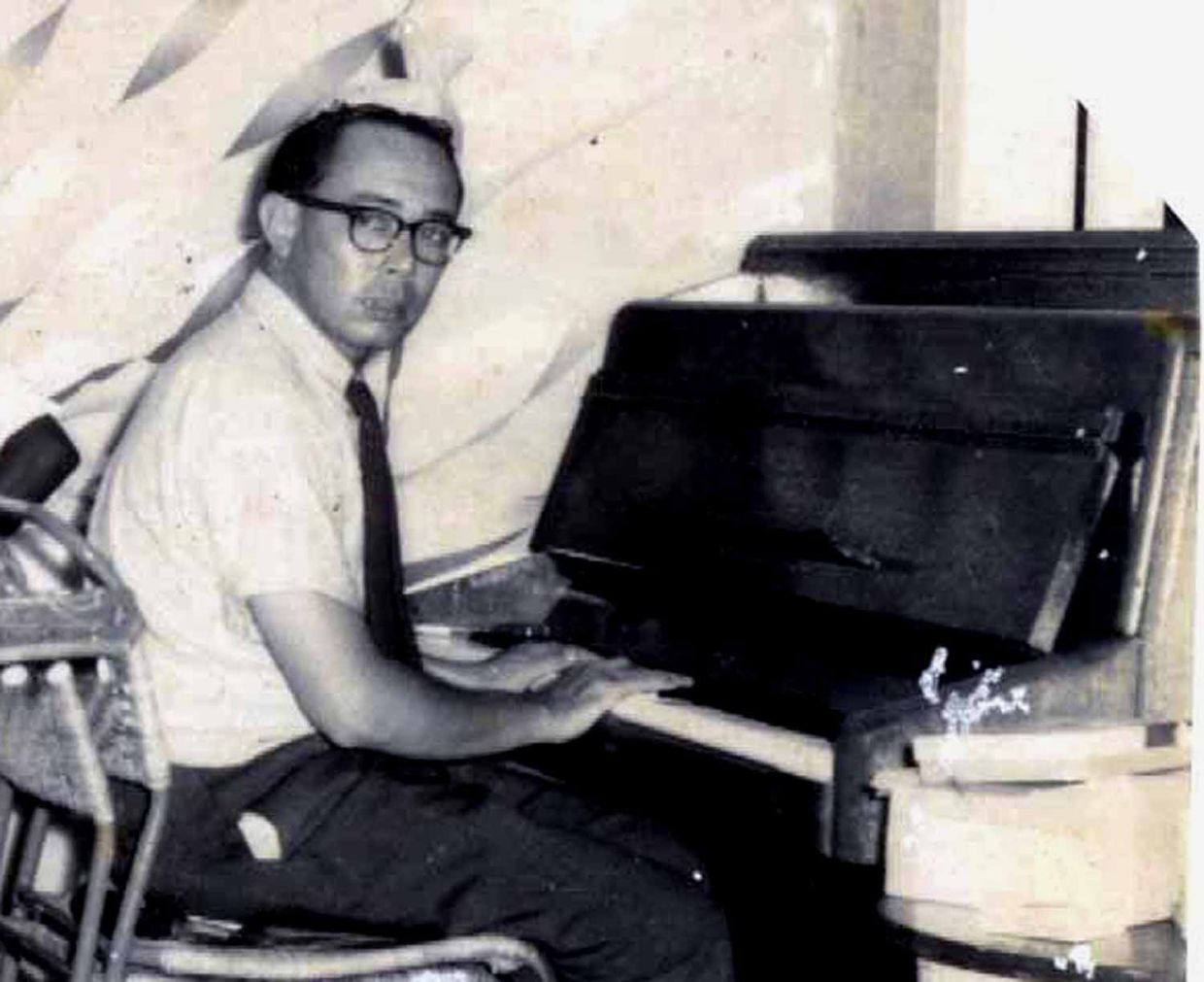
Sound Of The Sixties takes Saturday afternoon, turning the dial back to the Radio Malaya days as pianist James Boyle shares the life and music of his father, the legendary composer Jimmy Boyle.
For vinyl lovers and music buffs, Songs For The Dawn Of A New Nation(s) – A Listen/In Party with music archivist-researcher Paul Augustin explores music that mirrored a young, dynamic Malaysia, while Surat Dari Tawau – a radio drama by Usman Awang – is reimagined and performed by Joni Atari, blending dialogue, music, and ambient sounds.
Filmmaker and book publisher Amir Muhammad adds a saucy side to the festival with Sexuality In A 1960s Short Story, promising unexpected revelations during the session this Saturday evening.
Theatre – both traditional and contemporary – takes centre stage as Saturday closes with From Mak Yong To Randai, From Bangsawan To Sandiwara, a performance-lecture by Norzizi Zulkifli, and Fractures, Fractions, Fragments Of Tuah by Mark Teh, exploring “myth, manuskrip, and manusia”. A director’s roundtable follows, featuring Norzizi, Teh, Kukathas, Rosdeen Suboh, and Ling Tang.
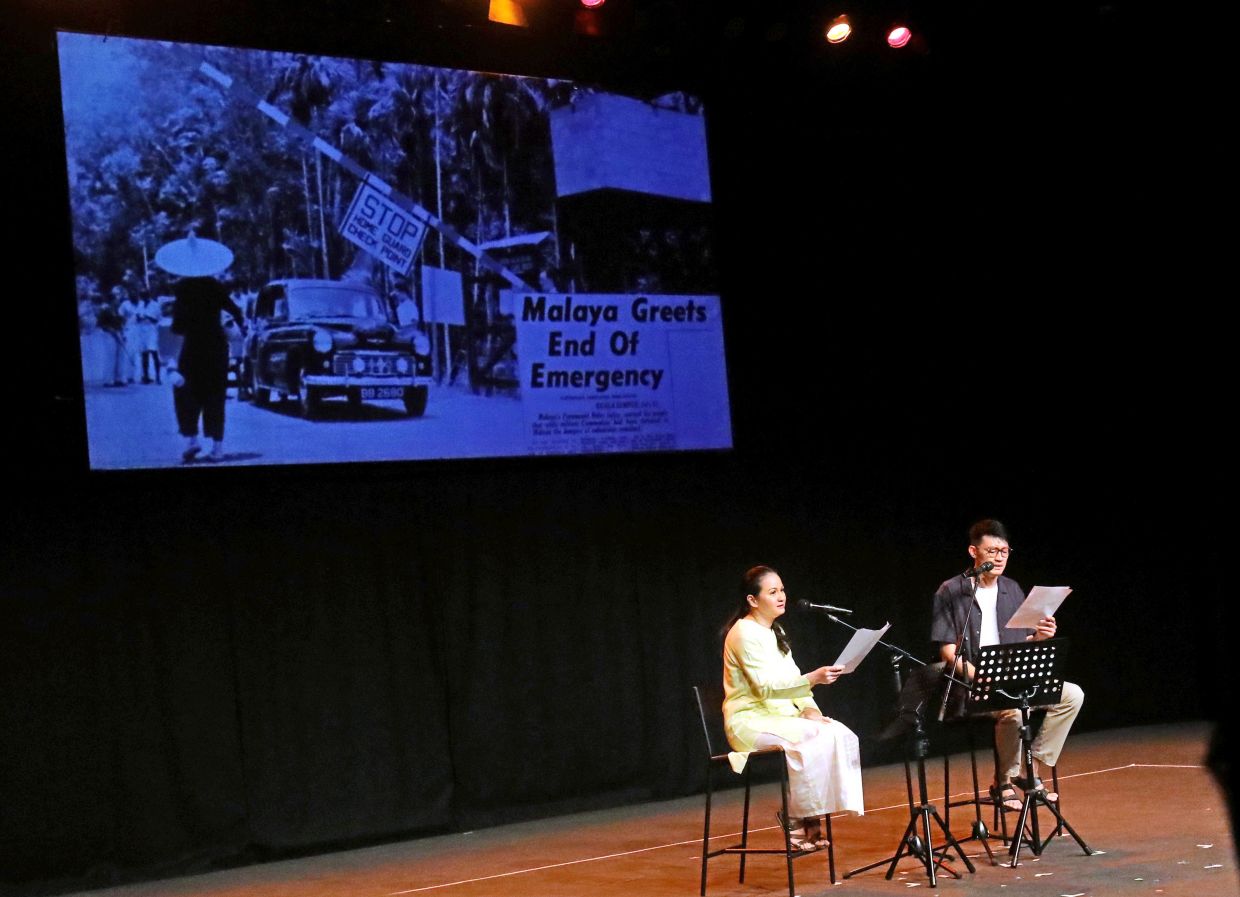
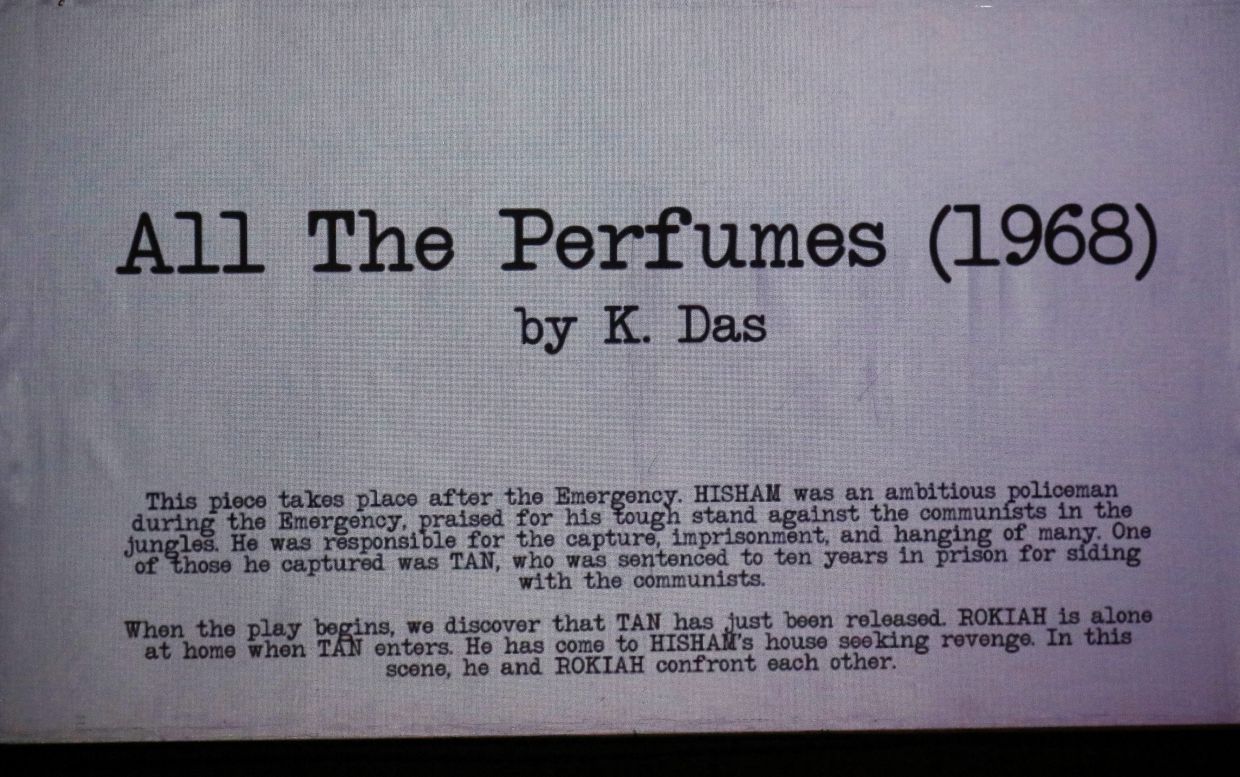
Sunday morning kicks off with Sus, Mr Shakespeare, featuring What The Fire Didn’t Destroy – a reading of All The Perfumes, a lost play by K. Das discovered in a box by his daughter Jo Kukathas – followed by a conversation on things lost and found. The Need To ...What?, an extract from The Need To Be by Patrick Yeoh, will also be performed, though reimagined rather than as originally written.
The legacy of dancer Gopal Shetty is honoured this Sunday in a performance-lecture by dancer Umesh Shetty and long-time collaborator Shankar Kandasamy. Separately, Stage Made Of Sweat offers a viewing-listening gathering with filmmaker Kumavannan Rajendran, exploring the story of a young man named Armugam Letchumanan, and the roots of Tamil theatre in Malaysia.
Things then move to filmmaker-researcher Mahen Bala, who presents a brief, intriguingly unreliable survey of 1960s documentaries produced by the Malayan Film Unit (later Filem Negara), promising an engaging and lively affair.
The festival concludes Sunday night with a Fusion Wayang Kulit performance and a live set by Sarawakian folk artist T. Bagak, followed by the Table or Mat? discussion, inspired by Yee I-Lann’s exploration of tables, mats, and colonialism, drawing the curtains on the event.
“Our festival is about researching, remembering and reimagining. It’s asks us to be curiosity. Curious people look to the past to look ahead. They are open and positive. There is too much negativity in our modern world.
"We believe curious people are always looking for ways to make life better, more interesting, more engaged, more empathetic, less polarised, more just, more open – and more fun,” concludes Kukathas.
The What The Elders Left Us festival runs at DPAC, Petaling Jaya from Oct 31 to Nov 3. It is free to attend, with registration required. More info here.