For emerging artists, residencies can be transformative — they offer space to grow, challenge assumptions, and form bonds that stretch beyond borders.
At Akaldiulu, a 1.6ha studio and orchard in Hulu Langat, Selangor, the Barehands Residency embodies this spirit of exchange.
This residency programme is led by veteran artist/printmaker Juhari Said.
Founded in 2010, Barehands Residency has nurtured nearly 50 artists through mentorship and shared practice, emphasising trust, dialogue, and experiential learning over rigid outcomes.
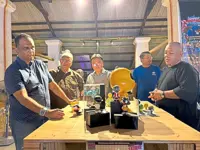
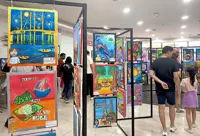
Each residency concludes with a public showcase.This year’s edition is now on view at the Barehands Residency Kuala Lumpur Exhibition at Galeri Seni Aswara, Jalan Tun Ismail, KL, featuring new and past works by printmaker Luqman Yusry, known for his nature-inspired art.
“Residency is a post-learning process, whereby a mentor will guide the student who is placed in a new and unfamiliar environment,” said Juhari during the exhibition’s recent opening.
“Be more curious about learning and trying art rather than being concerned about funds. If you are dedicated and disciplined in your craft, the funding will find its way to you,” he added.
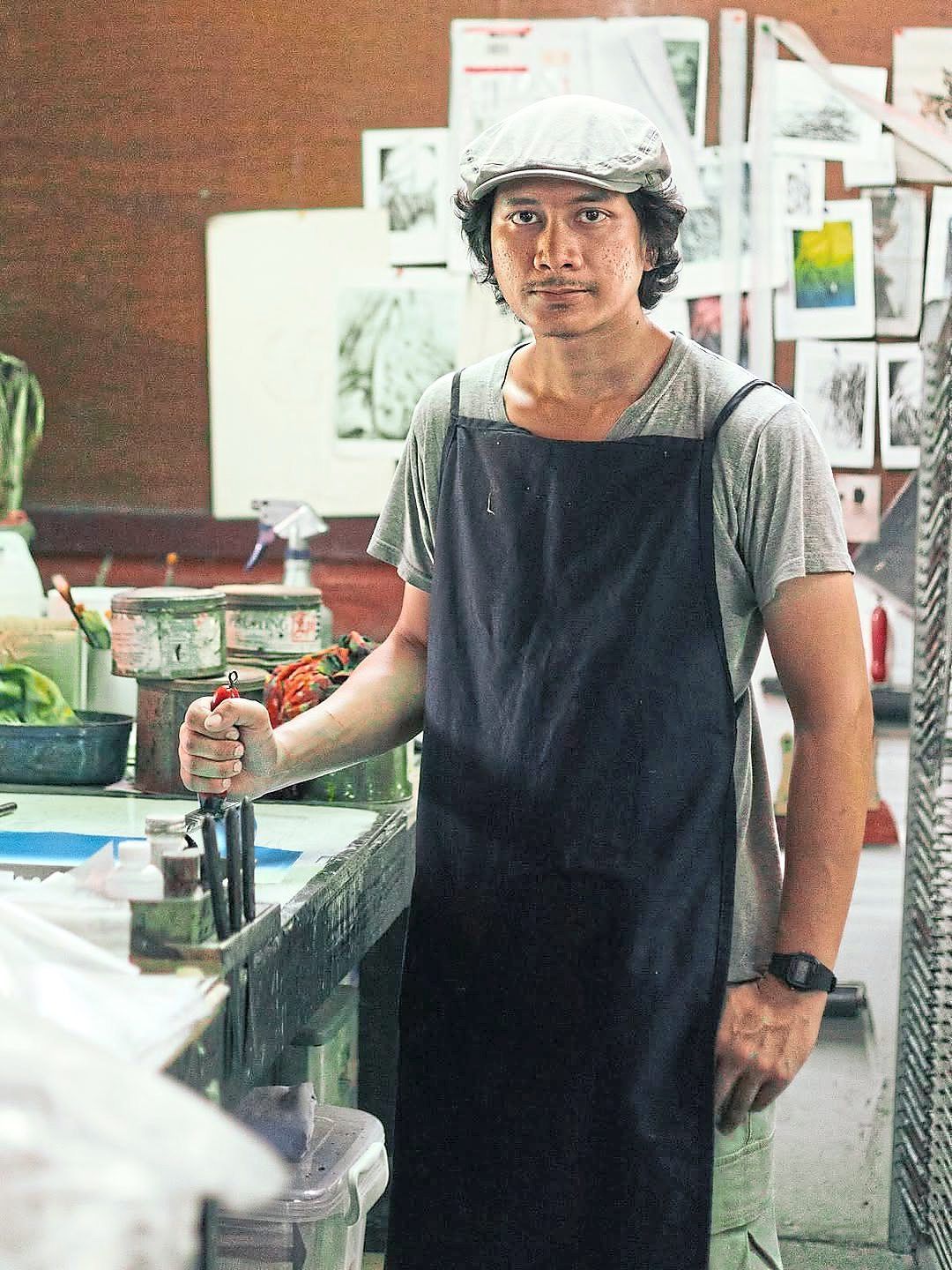
For Juhari, Akaldiulu is also a space for artists to connect with like-minded practitioners, with a series of small workshops, conversations, field visits, and his artist friends often dropping by.
Barehands Residency thrives on collaboration and shared growth, where artists learn from each other’s experiences and evolve together through the creative process.
This philosophy continues to ripple outward. Earlier this year, Nazura Rahime, who runs A.P Art Gallery in KL, presented Barehands Residency as a case study at the Res Artis conference in Sao Paulo, Brazil — a global platform for residency hosts and cultural practitioners to exchange ideas and foster collaborations.
“It really showed that there’s a whole world of opportunities that I didn’t imagine existed, and young artists should take the time to explore their options and take the leap of faith,” said Nazura.
“In my case study presentation, I didn’t focus on the KPIs of the residency. Instead, I shared how many new aspirations (KPAs) grew out of it. It captures the non-empirical data that cannot be measured yet makes a substantial impact. What’s important is initiating the collaboration,” she added.
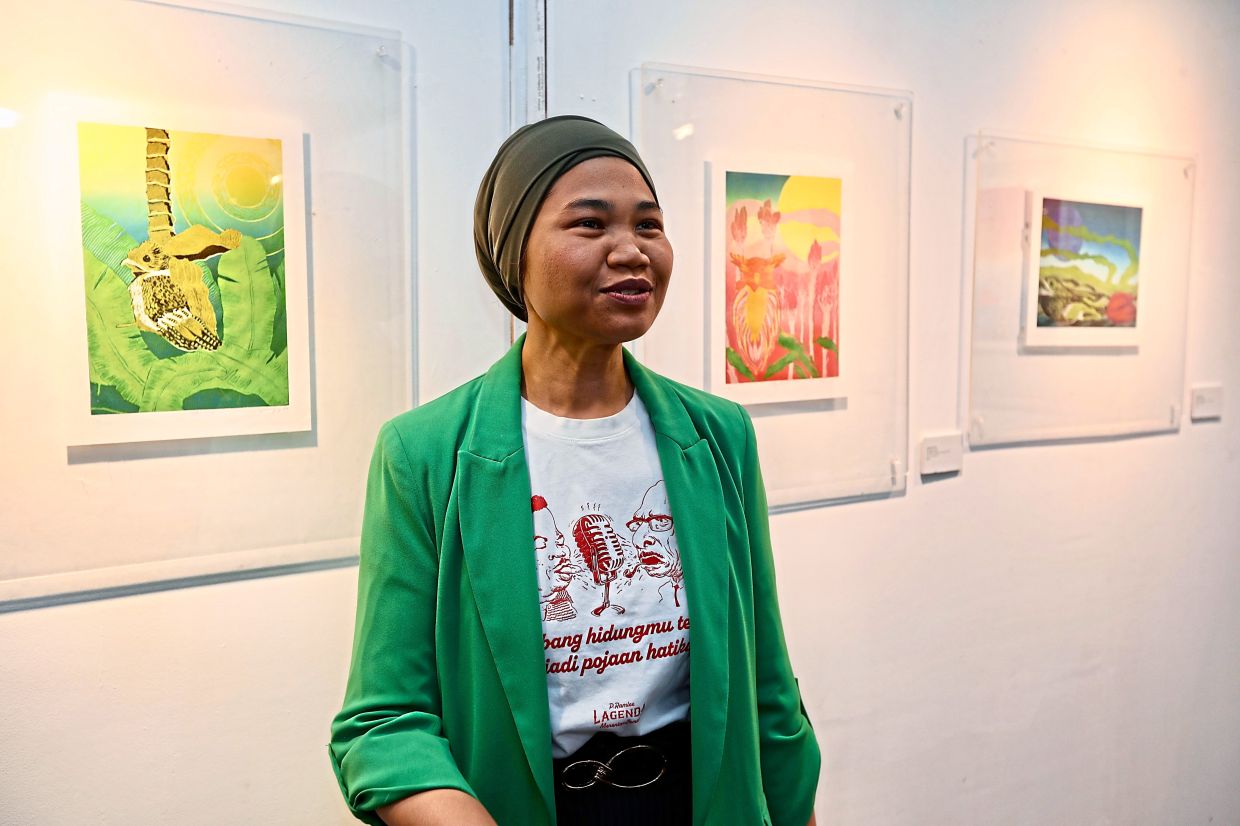
Last year, the residency also welcomed Japanese artist Kazutaka Shioi, whose installation Light Of Langsuir was showcased at Langkawi’s National Art Gallery, further reflecting Barehands’ commitment to cultural dialogue and shared creative practice.
Supported by the National Art Gallery, Chetak 17, and Go Block, the programme continues to provide emerging artists with a space to evolve both in skill and character.
A positive shift
For artist Luqman, 29, the month-long residency (August to September, 2025) at Akaldiulu was an eye-opening experience.
“Juhari does not pick the artist who has a unique art style or a beautiful piece. He picks based on the artist’s attitude, and whether or not they are dedicated enough and able to work with him,” said Luqman, a fine art graduate from Aswara (National Academy of Arts, Culture and Heritage).
The exhibition at his alumni Galeri Seni Aswara features five new works from Luqman’s Barehands Residency, alongside his earlier etchings that trace his artistic growth.
Together, they reveal an artist deeply engaged with nature, observation, and the technical aspects of his medium.
Printmaking, for him, is a discipline that demands patience and precision. Each work requires careful planning, multiple colour layers, and exact registration.
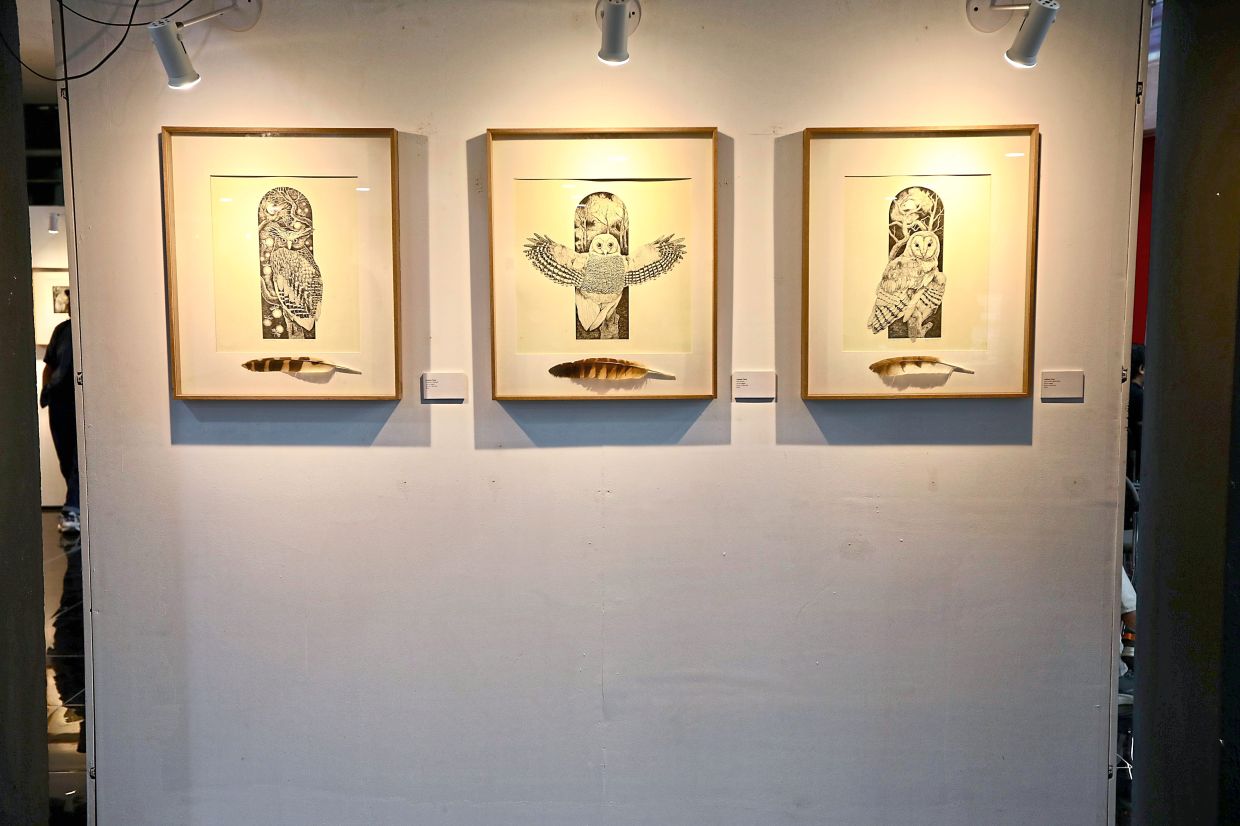
“Before this, I learned techniques like etching and aquatint, but my main focus was on woodcut and lino reduction prints. For one image, I sometimes use up to 13 colours in a single edition – and to get it right, I have to print extra layers because mistakes are bound to happen,” he explained.
Originally from Bukit Antarabangsa, Selangor, Luqman admitted that nature and jungle life were once foreign to him.
“I was a city boy. But in 2019, my father bought a plantation in Jelebu, Negri Sembilan, but didn’t have the energy to manage it, so I offered to help. That was right before the pandemic, and I ended up staying there for months. It was then that I truly learned to appreciate nature,” he said.
That experience became the foundation of his artistic language.
“That’s where I saw a lot of owls. There are a few different names (notably in Malay) for these birds, like tukang kubur, burung hantu, and also, the nightjar. Unfortunately, many end up as roadkill when they try to cross the road at night.
"When I find them, I document and collect their feathers. I place them beneath my artwork as a way to honour nature through my art,” concluded Luqman.
The Barehands Residency Kuala Lumpur Exhibition is showing at Galeri Seni Aswara, Jalan Tun Ismail in Kuala Lumpur until Oct 31.