
Over 3,400km separate Guangdong, China, and George Town, Penang. Yet in the early 1900s, groups of single women from this Chinese province journeyed south to Malaya and Singapore seeking work and a better life.
Known as majie, they took vows of celibacy in ceremonies where they combed their hair into buns – signalling their choice to remain unmarried, unlike the traditional long braids worn by single women.
A century on, Guangdong artist-researcher Chen Jialu is retracing the journey of a remarkable group of women – from southeast China to Penang, Ipoh, Seremban, Melaka, and finally Singapore – to uncover their lives, dreams, and legacy.
Beyond the patriarchy
Guangdong is a highly-populated coastal province that borders Hong Kong and Macau.
Its capital sits within the Pearl River Delta, a dense network of cities covering nine prefectures and the place that Chen calls home.
“I grew up in a very traditional clan, so I understand the concept of how women didn’t get to own land or inherit. Of course, now, many things have changed and some can," says Chen, 32, in a recent interview in George Town.
But there are also some things that have not changed much.”
Like many ancient civilisations, China’s patriarchal roots still shape its gender divide. Chen – an alumna of London's Chelsea College of Arts – has long been drawn to gender issues and formations of sisterhood.
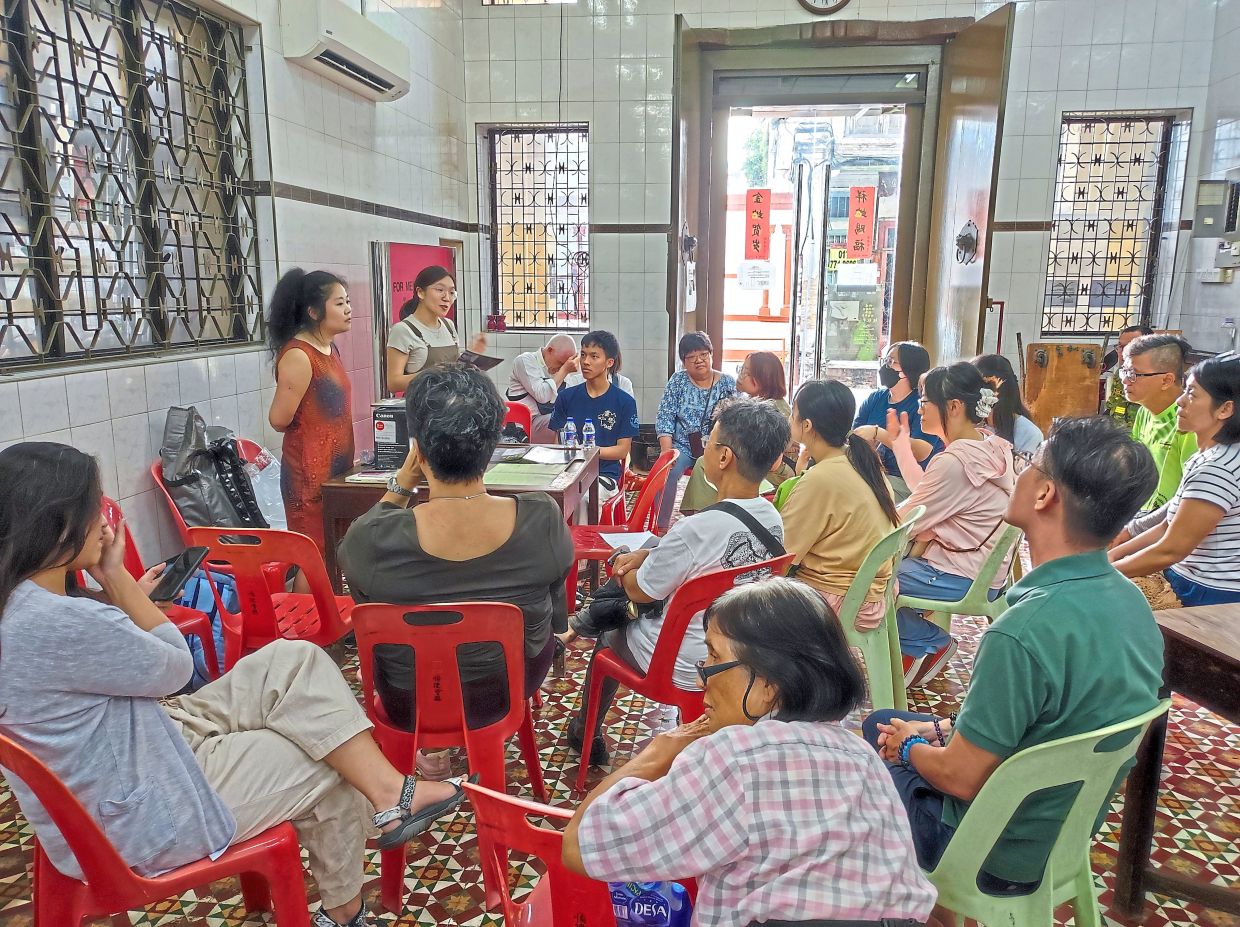
“I imagine how we (as women) can build networking of our own. I also focus a lot on the idea of owning land.
"Land means a lot, aside from just property or money or resources. Land is a relationship between ‘I’ and the world. It means you can have your own home. You can own resources to produce things,” says Chen.
The idea of ownership and financial independence among women was rare in ancient China but the rise of the silk industry in Guangdong created unique circumstances.
The weather in the province coupled with fertile soil and frequent flooding encouraged the planting of mulberry trees and rearing of silk worms for the production of silk.
Close attention to detail and patience were required to produce the intricate, handmade fabric and as a result, this task was relegated to women in the area.
Wages were paid directly to them which made the prospect of marriage less attractive, especially in a society where wives deferred to husbands in all matters.
“In Canton (the original name for the Pearl River Delta), we are also used to strange marriage customs. For example, in the past, there were contracts from ‘delayed marriages’ where the woman did not go to stay with her husband for the first three years.
"We have also heard of marriages to ghosts where one could essentially ‘buy’ the status of a married woman,” says Chen.
Urban legends are also popular including one from neighbouring Hong Kong that tells the tale of the "Seven Sisters".
Though several versions of this story exist, Chen says a popular one revolves around a mass suicide by seven women who had vowed to never marry.
“Seven girls pledged themselves to a sisterhood. But one of the girls was being forced by her family to marry, so, all seven girls decided to jump into the sea together. After that, seven big rocks showed up where they died,” says Chen.
“There are a lot of urban legends like this where I come from. We also see them in TV dramas and movies and I became curious and started asking if it was true that women led these kinds of lives.
"How did women survive back then? And it was even more difficult for single women during that time,” she adds.
Combing up
Guangdong’s silk industry was closely tied to the rise of the “comb sisters” or majie – women who chose to forgo marriage in a symbolic hair-combing ceremony.
This act secured financial independence, helped avoid abusive family dynamics, and allowed them to support their own families instead of a husband’s. It also let younger siblings, especially brothers, marry out of the traditional birth order. Chen notes, however, that their reasons for “combing up” were likely more complex.
“There isn’t one simple reason why the majie made this choice; there were complicated issues that they were facing. I think it’s very important to tell the true story of their lives and not just look at them in a glorified way.
"Society has put many labels on this group of women, like fighters or feminists, but I think they had many different reasons for why they ‘combed up’. Their story tells us how ordinary, normal people can survive and choose their own lives in this world,” says Chen.
Perpetual singledom came with strict rules—breaking celibacy vows brought harsh punishment, and without children, many majie faced neglect in old age. They couldn’t die in the family home or have their spirit tablets placed on the family altar.
In response, they formed tight-knit bonds, pooling resources to live and die together in communal homes called gupouk.
The new world
A change in their fates happened with the rise of industrialisation.
“Around the 1920s, the silk industry began to move to other places like Japan as the industrial revolution in China took hold.
People started to buy industrial-produced fabric instead of handcrafted silk and this led to majie being unable to find work in their hometowns,” says Chen, adding that the Great Depression of the time also did not help the situation.
As demand for domestic help grew in colonial South-East Asia, majie looked beyond China for work. Established trade routes eased their journey to Hong Kong, Malaya, and Singapore. When Chen began exploring their story around 2020, she discovered a significant number of gupouk in George Town, Penang.
In 2023, Chen came to Malaysia for the Kuala Lumpur Art Book Fair and extended her trip to Penang. She sought people raised by majie, families they worked for, or their adopted children. Her research earned her a 2024 grant from the Asian Cultural Council Hong Kong to study the majie’s history and material culture.
Starting August last year, she visited sites linked to majie in Penang, Ipoh, Seremban, Kuala Lumpur, Melaka, and Singapore.
However, the fact that a large number of majie were illiterate and, owing to their vow of celibacy, did not have children, posed challenges to finding out more about their lives.
“It’s hard to say which area had the most number of majie as there’s no clear or specific records of them. However, we’ve discovered that there were many sisterhood houses in Penang; more than 10 that we know of.
"They are all located in George Town and we’ve found them on roads like Love Lane, Muntri Street and Pintal Tali,” says Chen, sadly adding that all majie in the area have since moved back or died.
“Most majie who worked as domestic helpers would have to stay at their employers house but when they did have time off, they would come back to the sisterhood houses to chat, wash their hair or do their personal chores,” she says.
Clan – and hometown-based Chinese organisations were common then, with majie often actively involved in them.
“I hadn’t seen any writings about their role in associations, so discovering it was precious,” says Chen.
“These women came alone, yet built rich, colourful networks.”
Old photos from Chinese associations helped her trace their activities.
Gupouk days
In March, Chen teamed up with cultural activist Chan Lean Heng and educator-entrepreneur S. Soonufat to launch the Remembering And Celebrating The Lives And Contributions Of Majies series in George Town.
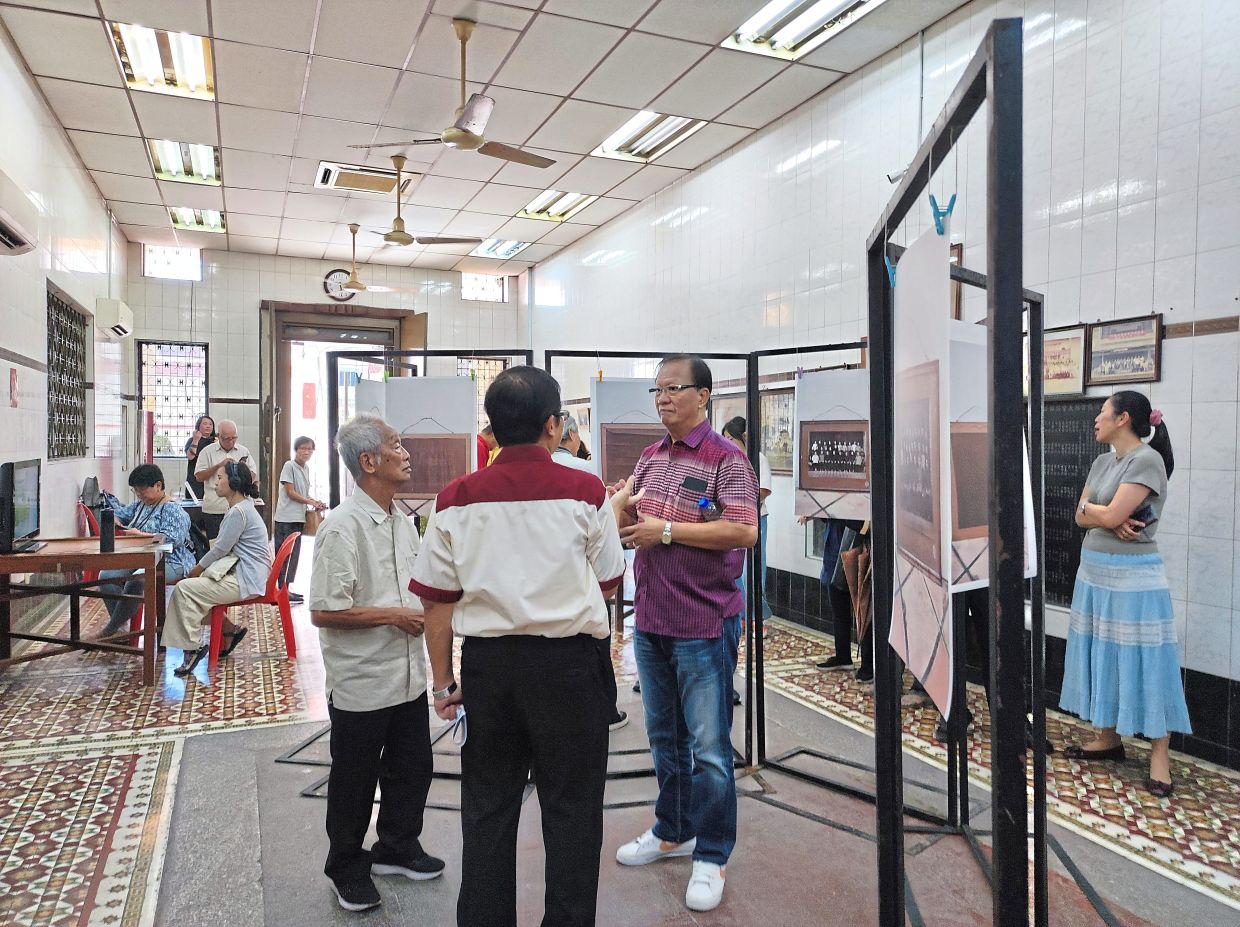
The three-month programme features eight events, including Chen’s first curated exhibition, Majie – Mama and Sister, Gupo – Aunt and Grandma, Comb Peace Comb Safe, held in April at Soon Tuck Wooi Koon, a historic clan house.
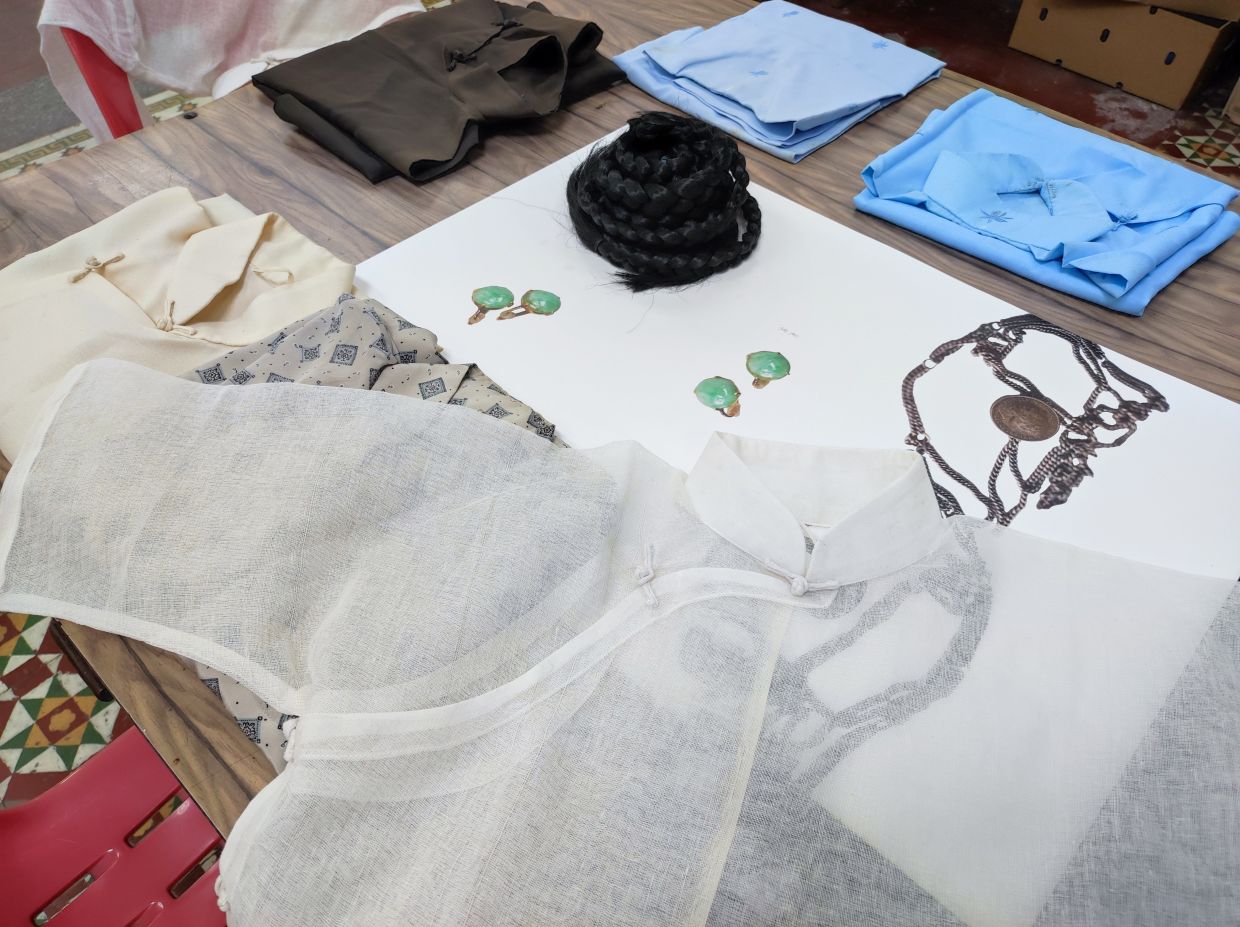
It showcased artefacts, records, and photos she gathered – centred by formal group portraits from a gupouk on Lorong Pasar.
This precious find, showing over 181 majie, was salvaged by local heritage advocate Khoo Salma, who was raised by a majie herself.
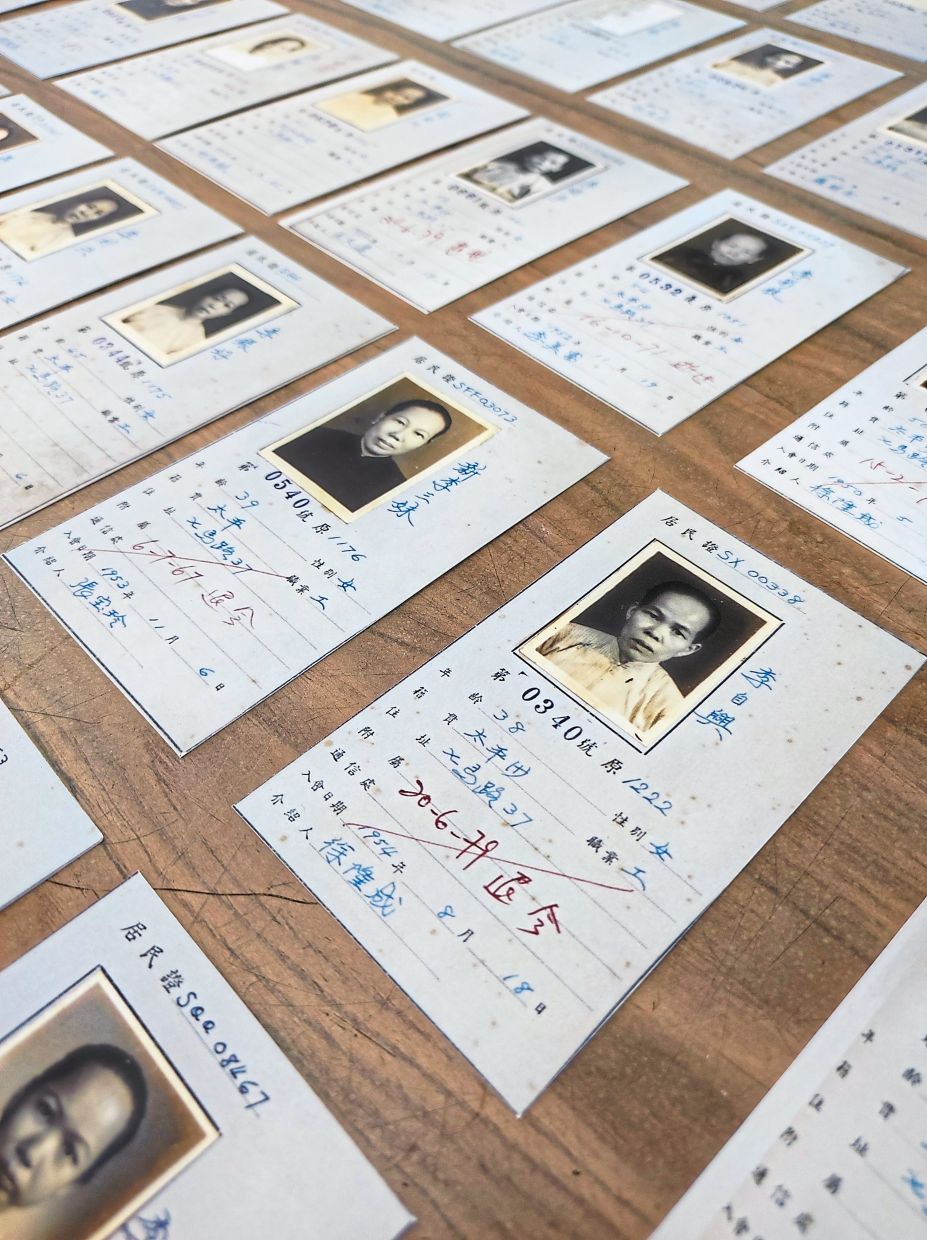
A fascinating collection of membership records from the Sai Chiew Villagers Association Singapore was also on display.
“In this association’s records, there are so many female members that seem to be majie. The hairstyle and dressing is the same and they are all registered as domestic workers.
"On top of that, they all lived in the same address,” says Chen.
The exhibition also featured two videos: a short documentary entitled A Day Of Gupo which features an interview with majie Li Gu, 93, in Panyu, China, while the second highlighted Lee Wing Kong, a gentleman from Pintal Tali in Penang, who helped write letters for the majie to send home.
“During my research, I’ve met so many people connected to the majie—all incredibly caring and welcoming,” says Chen.
"I think this exhibition can be seen as a kind of introduction to get attention from more people who can review their own memories about the majie,” she concludes.
The Letters Never Sent – a site-specific performance – will be held at the Journal Georgetown, Penang, from May 30 to June 1. The Journal serves as the meeting point as audiences walk alongside performers through seven immersive 'stations'. This performance concludes the 'Remembering And Celebrating The Lives And Contributions Of Majies' project. More info here.