Major European museums discover digital transition doesn't always come naturally


By AGENCY
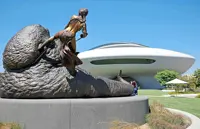
Just like Rodin's sculpture 'The Thinker', the art world is still figuring out how to go beyond VR glasses and make the digital makeover a sustainable solution. Photo: Handout

From virtual visits and augmented reality artworks to TikTok videos filmed in hidden corners, museums have turned massively to digital tools and technology to maintain contact with would-be visitors during periods of Covid-19 restrictions.

However, new European research reveals that many are still struggling in the race for digital transition. The figures speak for themselves: Paris's famous Louvre museum saw a 72% drop in visitors last year. An alarming figure for the French institution, which welcomed some 9.6 million visitors in 2019. And it isn't the only museum suffering the effects of the pandemic, according to the Network of European Museum Organisations (NEMO).

Get 20% OFF The Star Digital Access

Monthly Plan

RM 13.90/month

RM 11.12/month

Billed as RM 11.12 for the 1st month, RM 13.90 thereafter.

Best Value

Annual Plan

RM 12.33/month

RM 9.87/month

Billed as RM 118.40 for the 1st year, RM 148 thereafter.

Follow us on our official WhatsApp channel for breaking news alerts and key updates!
Museum , Europe , Visitors , Decline , Numbers , Pandemic

Next In Culture

In Syria, a library of Islamist texts sees light of day 15 years later
A Malaysian window into the Islamic world at the British Museum
Stick no paintings: Germans arrested for Louvre stunt in Mona Lisa hall
Five must-see things at the new Lucas Museum of Narrative Art in LA
New media festival Immersio rolls out ‘Pasar’ events across Kuala Lumpur
UK publisher drops books by best-selling children's author David Walliams
British-Sudanese author pens book to give children 'African history of Africa'
Weekend for the arts: Aesop Women's Library, 'The Whale', 'Catopia'
Pop art icon Peter Max, counterculture’s colourful visionary, dies at 88
'Socrates In D# Minor' brings philosophy and the human experience to the stage

Others Also Read