
Teochew dessert with pandan, coconut milk can be served hot or cold
TONG Sui, comforting and lightly sweet, is traditionally served hot.
But as the weather grows warmer approaching Chinese New Year, cold tong sui becomes especially appealing.
One of my personal favourites is bubur cha cha, though it demands a fair amount of knife work with its many diced ingredients.
When time or patience is in short supply, orh nee −also known as bubur keladi − becomes the more practical choice.
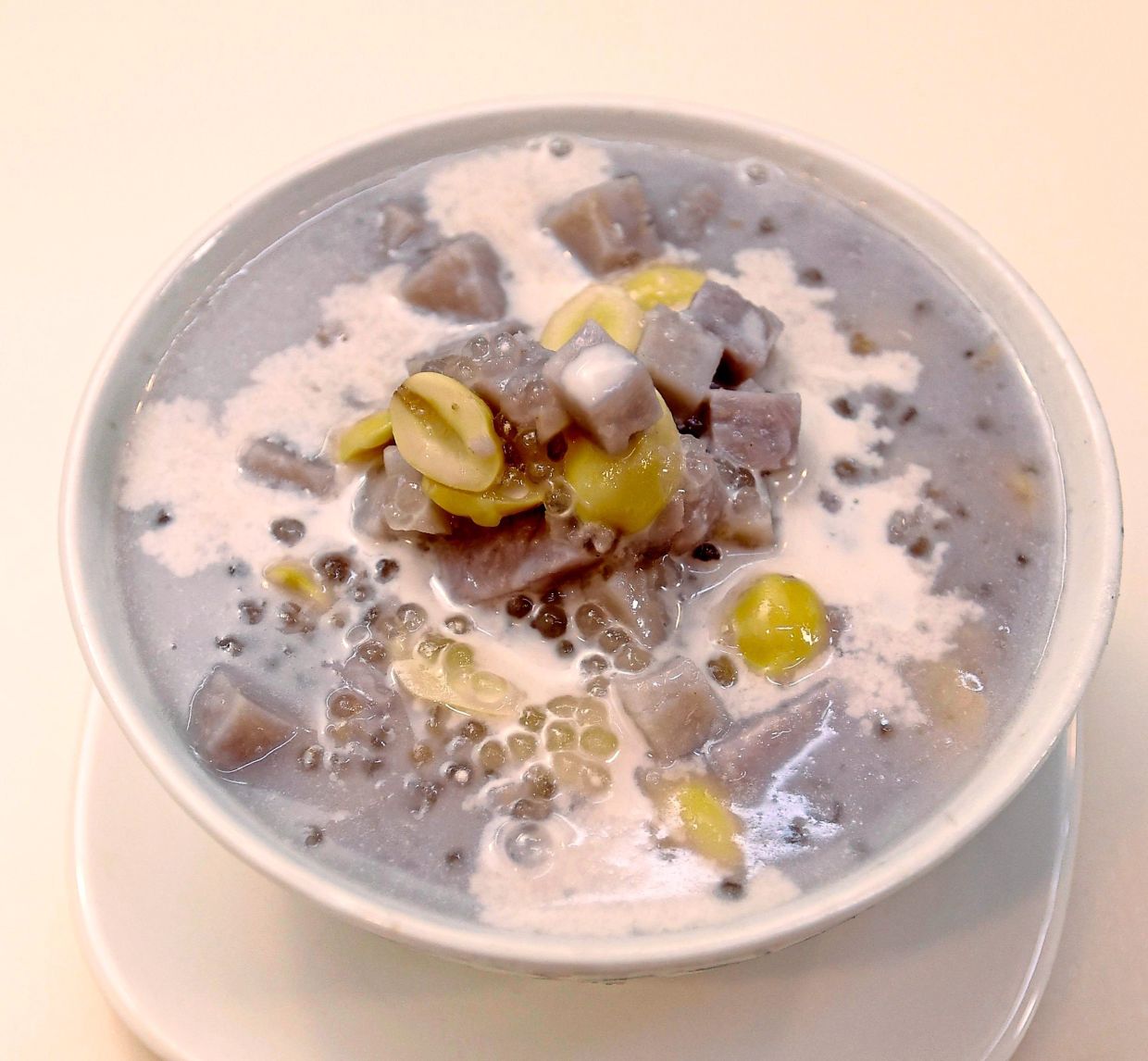
It is a classic Teochew dessert made from mashed taro root and ginkgo seeds.
In its original form, the taro paste is slowly cooked in oil and sugar until smooth and fragrant, then served with toppings such as mashed pumpkin, ginkgo seeds and water chestnut.
Traditionalists will insist on including fried shallots.
In Southeast Asia, the dish has evolved to include pandan leaves, coconut milk, and sago pearls, lending fragrance, richness and texture to the dessert.
In my family, we prefer our tong sui with a little bite.
Rather than mashing all the taro, I keep the neatly diced cubes intact and reserve the uneven off-cuts for the taro paste.
This creates a dessert that is creamy with pieces of tender taro to break up the smoothness.
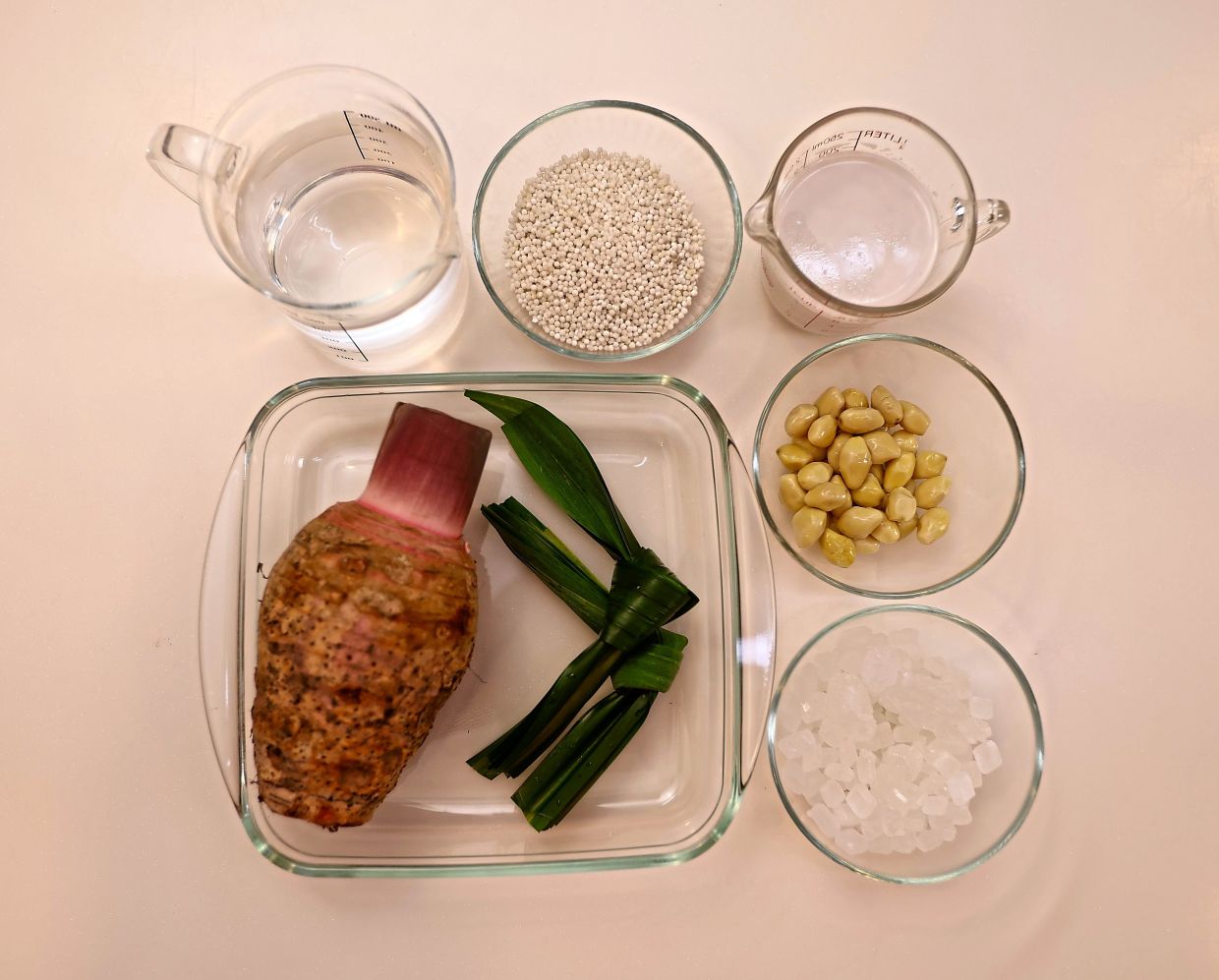
If presentation is not a concern, the entire taro can be diced, steamed and divided into two portions afterwards.
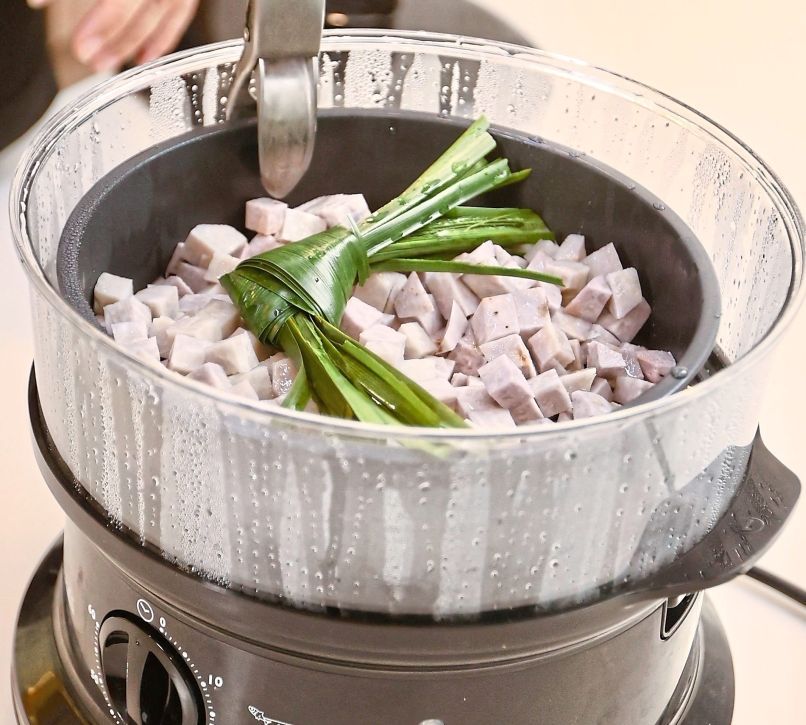
The taro is ready when the cubes begin to lose their sharp edges, signalling that they are cooked through but not falling apart.
Ginkgo seeds are one of orh nee’s defining ingredients.
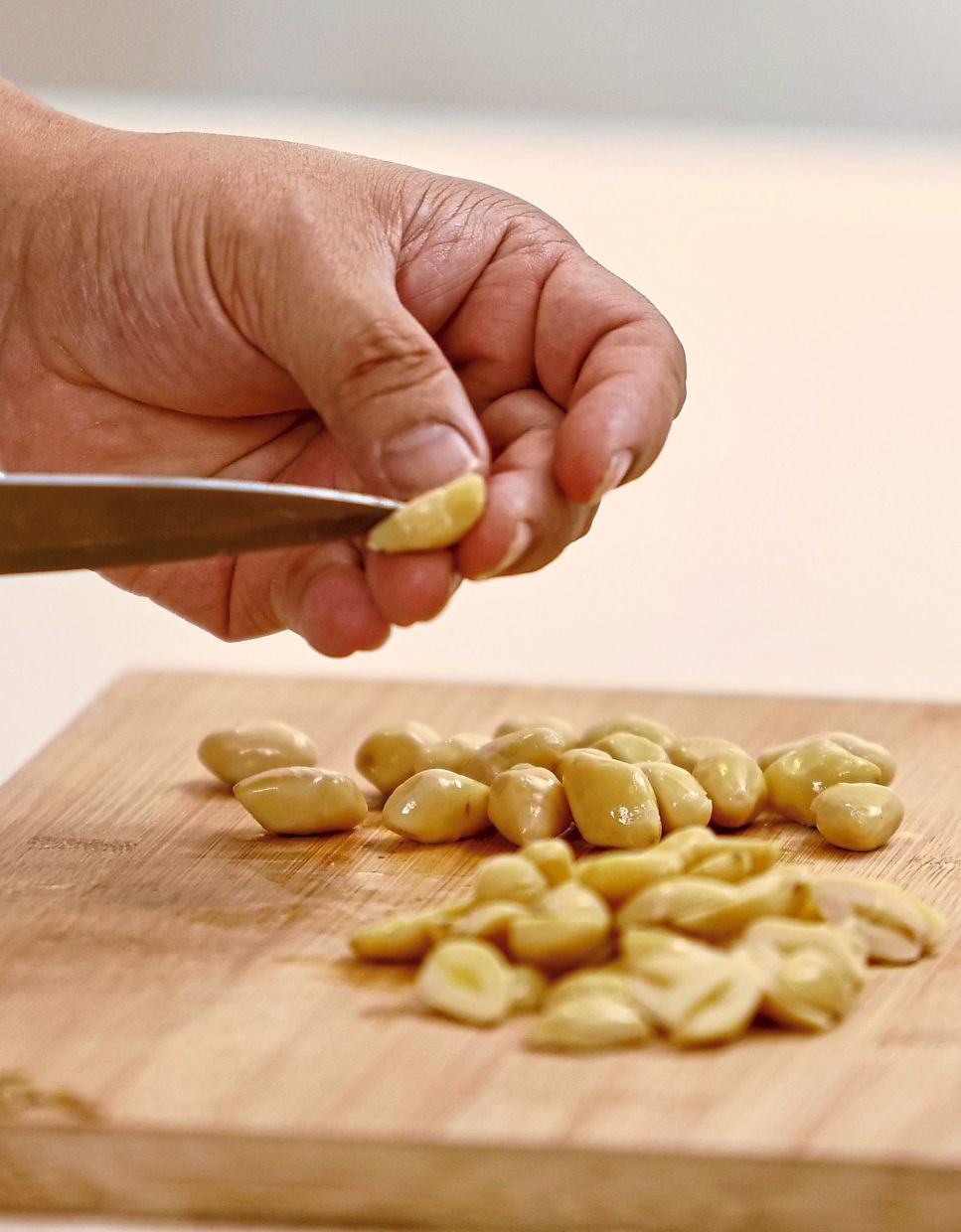
They were once dreaded for the time-consuming task of cracking their shells and removing the husk, but pre-peeled seeds are now available in markets and supermarkets.
Even so, it is still important to split each seed and remove the bitter core, a small step that makes a big difference to the final dish.
Served hot, it is soothing and rich. Served cold, it becomes refreshing and surprisingly light, especially when finished with an extra drizzle of coconut milk.
Either way, it is a dessert that feels reassuringly familiar, yet adaptable to the season.
Sweet taro porridge (orh nee/bubur keladi)
Ingredients
600g taro, peeled and diced
100g sago pearls
80g peeled ginkgo seeds, cored
5 pandan leaves, knotted
Syrup
160g rock sugar
1 litre water
5 pandan leaves, knotted
125ml coconut milk
¼ tsp salt
Directions
Soak the sago pearls in cold water for 30 minutes, then rinse and drain.
Bring a pot of water to a rolling boil and cook the sago until translucent.
Drain with sieve and plunge immediately into cold water to stop the cooking.
Rinse under running water to remove excess starch, then soak in iced water to prevent the pearls from sticking together. Set aside until needed.
Separate neatly diced taro from the off-cuts. Place both into a large cake tin with pandan leaves and steam for about 20 minutes or until tender.
Discard the pandan and mash the off-cuts into a smooth paste.
In a large pot, combine rock sugar, water and pandan.
Bring to a gentle simmer until the sugar has fully dissolved, then discard the pandan.
Stir the mashed taro into the syrup. Using an immersion blender, blend until smooth.
Simmer gently, stirring occasionally, until the mixture becomes creamy.
Add the reserved diced taro and ginkgo seeds.
Simmer gently until the taro cubes begin to lose their sharp corners, indicating they are tender but still holding their shape.
Stir in the sago, coconut milk and salt. Heat gently until the mixture just comes to a simmer. Do not allow it to boil.
Remove from the heat. Serve hot, or allow to cool completely before chilling in the refrigerator and serving cold.
Drizzle with extra coconut milk if desired.