
Noodle-making is a complex interplay of art and science. The final product’s texture, cooking properties, and flavour are significantly influenced by a range of factors including the choice of grain, flour type, water content, and increasingly, the use of modern additives. For instance, wheat-based noodles derive their characteristic elasticity and chewiness from gluten, while rice and millet noodles tend to be softer and more delicate.
A significant technological advancement in noodle production was the extrusion process, which involves forcing dough through a die to create long, uniform strands. This method enabled mass production and ensured consistent shapes for noodles.
Common cooking methods, such as boiling, steaming, and stir-frying, each impart unique textures and flavours to the noodles.
Nutritionally, noodles serve as complex carbohydrates, providing sustained energy, and can be easily combined with vegetables, proteins, and sauces to create balanced and wholesome meals. Their inherent adaptability has cemented their role as core components in modern diets.
Modern noodles
Although many people would have gazed in fascination at the window displays of cooks pulling lumps of dough magically into dense strands of noodles, mass noodle production uses a different sort of magic to maintain consistency and longevity in commercial noodles.
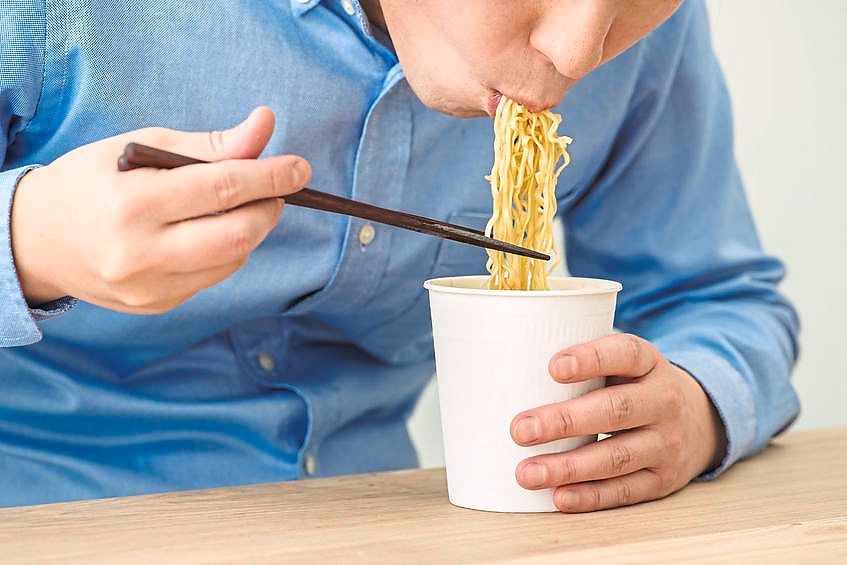
Modern noodle factories employ a range of additives designed to improve various aspects of the product, including its texture, taste, appearance, shelf life, and nutritional value.
The specific additives used depend on the type of noodle (e.g., fresh, wheat-based, rice, instant, etc) and the desired characteristics to suit the style of cooking preparation.
These additives can be categorised based on their primary function, and are typically found in convenience foods based on noodles or pastas:
• Texture and quality improvers:
> Salts (e.g. sodium chloride, potassium chloride): Used typically at levels of 0.5% up to to 3% of overall content, salts strengthen gluten, improve dough consistency, and enhance the overall texture of the noodle.
> Alkaline agents (e.g. “Kansui”, a mixture of sodium carbonate and potassium carbonate): These agents impart the characteristic chewiness and yellow colour to certain noodles and significantly strengthen gluten networks. The use of kansui is critical in the making of instant noodles, as it helps in both the gluten development of wheat flour and lowering of the temperature for starch gelatinisation (reconstituting the noodles), resulting in faster cooking noodles.
> Phosphates (e.g. sodium tripolyphosphate, sodium pyrophosphate): Compound phosphates are added to increase gluten strength and improve noodle elasticity.
> Starches and modified starches (e.g. starches made from corn, potato, tapioca, etc): These are incorporated for better texture and to reduce shrinkage of the noodles or pasta during cooking.
> Hydrocolloids (e.g. guar gum, xanthan gum, sodium alginate, carboxymethyl cellulose): These ingredients are crucial for enhancing water absorption, improving dough consistency, extending shelf life, optimising cooking properties, and improving “mouthfeel”.
> Emulsifiers (e.g. soy phospholipids, lecithin): Emulsifiers assist in the even incorporation or absorption of fats during cooking thus improving texture and binding to fats in sauces.
• Preservatives and shelf-life extenders:
> Antioxidants (e.g. Vitamin E, butylated hydroxyanisole (BHA), butylated hydroxytoluene (BHT), tertiary butylhydroquinone (TBHQ)): These are vital in preventing fat oxidation, particularly in fried or instant noodles, thus maintaining freshness. In excessive amounts, some of these compounds may introduce health problems, but in the amounts permitted by the EU, these chemicals are considered safe.
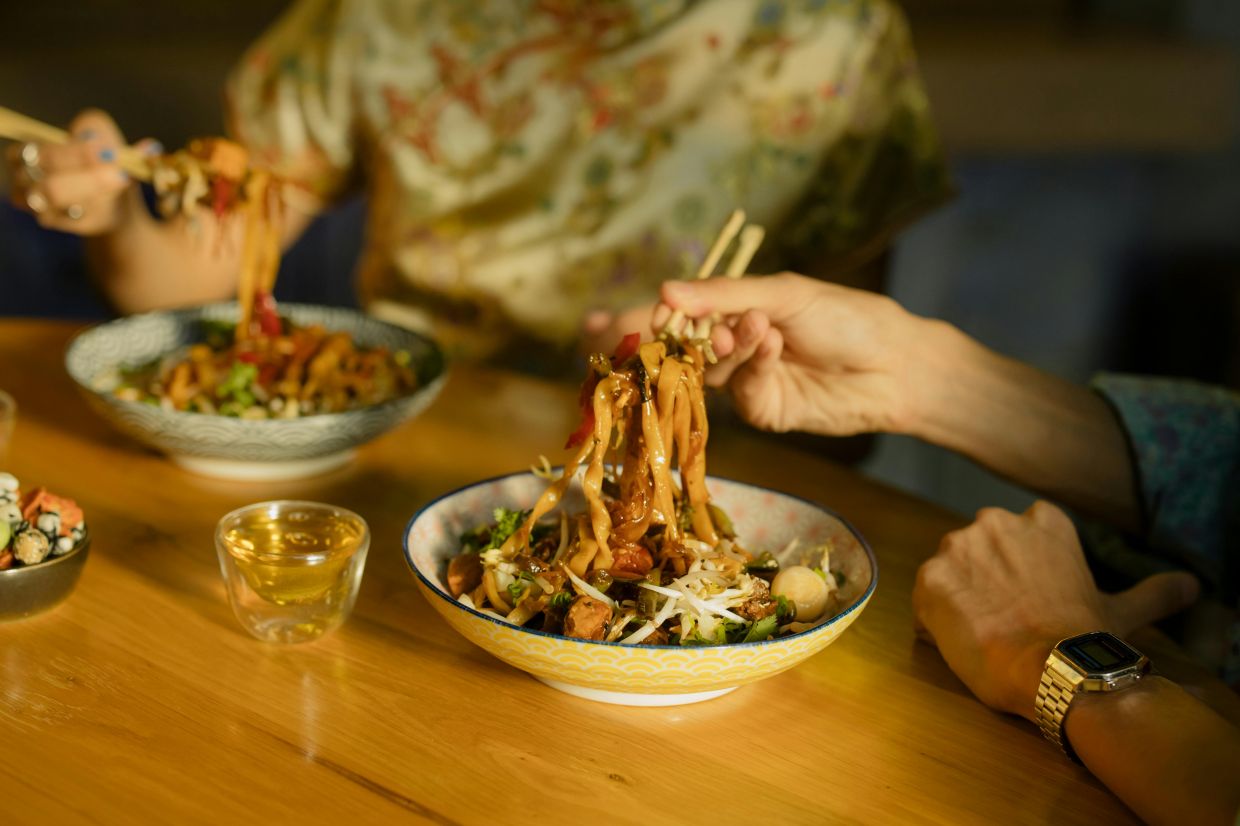
> Preservatives (e.g. sodium benzoate, potassium sorbate): These substances inhibit the growth of mould and bacteria, which is especially important for noodles with high water content or those intended for a long shelf life. At levels found in modern noodles, these compounds are considered safe.
> Water activity reducers (e.g. sugar alcohols such as sorbitol and glycerin): By reducing moisture content, these additives are used to inhibit spoilage in fresh or wet noodles.
• Flavour and colour enhancers:
> Flavour enhancers (e.g. monosodium glutamate, ribonucleotides, disodium inosinate, guanylate): Commonly used in instant noodles, these additives intensify umami and overall flavour.
> Colourants (e.g. turmeric, riboflavin, curcumin, and sometimes synthetic dyes): These are added simply to make noodles more visually appealing. If possible, it may be best to avoid noodles coloured by synthetic dyes.
> Natural extracts (e.g. squid ink, herbs, spices like garlic and pepper, vegetable powders): Increasingly favoured in modern or premium products, these provide both colour and flavour enhancement.
• Nutritional fortifiers:
> Protein additives (e.g. soy flour, egg products, casein, chicken, meat or fish powder): These additives are used to enrich the protein content of noodles and can also improve flavour.
> Dietary fibre (e.g. wheat bran, root tuber flours, resistant starches): Added for nutritional enhancement and sometimes also to reduce the glycaemic index of noodle products used in “health foods”.
• Other functional additives:
> Anti-caking agents (e.g. sodium hexametaphosphate): These are used to prevent the clumping of seasoning powders and improve their storage stability. This compound is considered safe for food use.
> Enzymes (e.g. glucose oxidase, peroxidases, etc): Sometimes added to enhance dough strength and improve shelf life.
> Thickeners (e.g. propylene glycol alginate, guar gum): These are included to stabilise/strengthen the dough, reduce clumping during cooking, and to impart smooth, silky or slippery textures to soft noodles.
> Viscosity stabilisers (e.g. alginates, pectins, etc): Used to improve the smoothness, elasticity and mouthfeel of soft noodles.
• Banned additives:
> In the past, additives such as sodium hydroxide and borax (sodium tetraborate) were used as texture improvers, resulting in “springy”, firmer noodles. They worked by their effects on hydrogen bonds in carbohydrate molecules or by cross-linking starch polymers. However, these toxic compounds are now illegal for use in commercial noodle production in most countries.
The selection of additives is always dependent on the specific noodle type (e.g. dry, fresh, instant, wheat, rice, etc) and the regulatory guidelines of various countries.
Modern trends increasingly favour natural colourants, plant extracts, and dietary fibres for both flavour and nutritional improvement. Importantly, in large parts of the world, such as the EU, food safety regulations are stringent, ensuring that all additives are used in safe amounts and must serve clear technical and/or food quality improvement purposes.
These additives are crucial in the manufacture of vast quantities of modern noodles that achieve the desired taste, consistency, textures, appearance, and shelf life demanded by consumers.
Culture of noodles
Today, noodles remain deeply intertwined with the cultural fabric of many societies.
In China, their symbolic importance endures even today, eaten at birthdays, weddings, and festivals to symbolise longevity and good fortune.
In Italy, pasta is a source of immense national pride and a versatile canvas for culinary creativity. However, Malaysia must be the country for serious noodle lovers, as practically all the different kinds of noodles from around the world are available, inventively adapted and expertly prepared by countless cooks from different cultures.
It would not be an exaggeration to say that one can have a different noodle dish for every meal for a year and still not reach the end of the possibilities available in Malaysia.
The future of noodles
The future of noodles in modern cuisine is being shaped by continuous innovation in food science and evolving dietary needs. Modern food science never stops innovating, leading to the development of gluten-free and alternative-grain noodles.
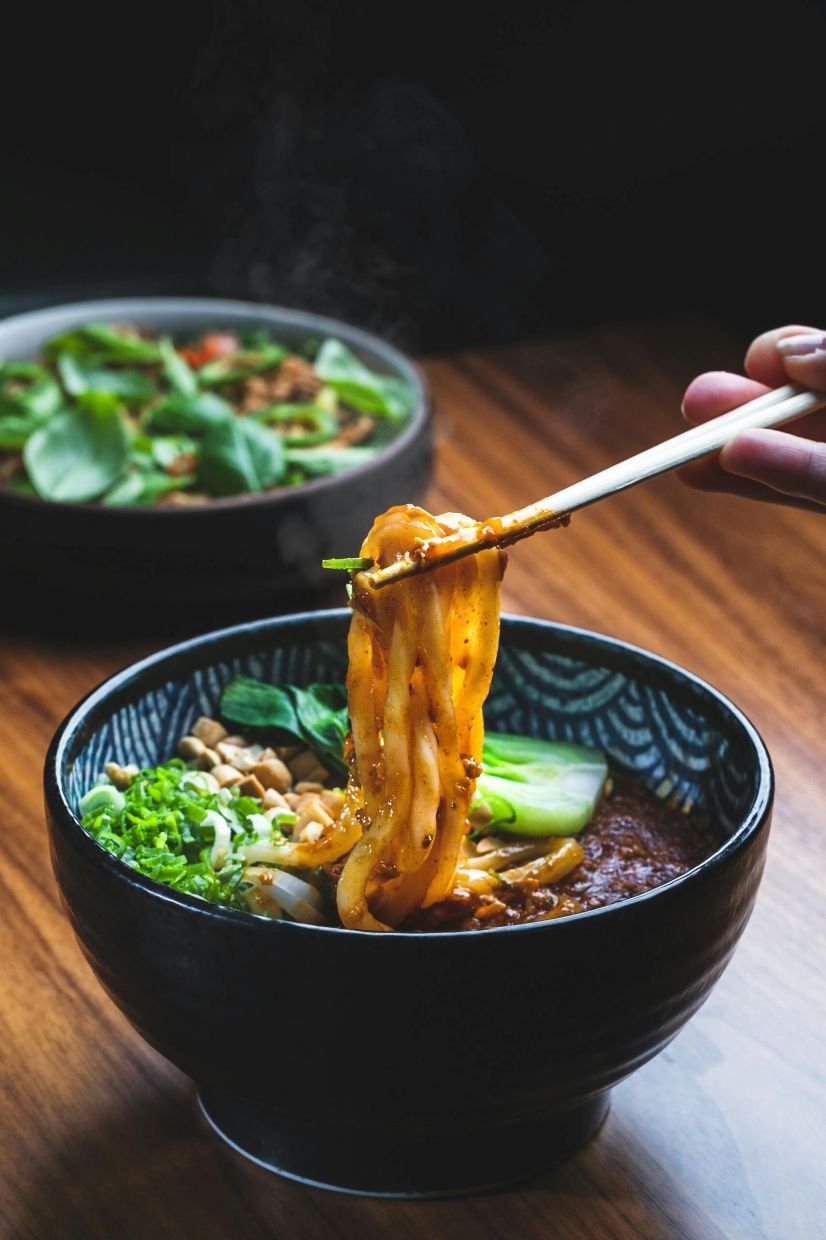
These innovations cater to specific dietary requirements and preferences, offering options made from ingredients like rice, corn, or lentils, which broaden the accessibility of noodles to a wider consumer base.
Furthermore, noodles are being developed with enhanced nutritional profiles, such as those fortified with additional protein or dietary fibre, appealing to health-conscious consumers.
Instant noodles, a 20th-century Japanese invention, have already become a global convenience food, reflecting the enduring appeal and adaptability of this ancient staple in fast-paced modern lifestyles.
This convenience aspect, combined with their capacity for nutritional enhancement and adaptation to various dietary needs, positions noodles to remain a central component of global cuisine.
The inherent adaptability and versatility of noodles mean they will continue to be transformed by new ingredients, cooking methods, and flavour profiles, cementing their place as a fundamental and evolving part of humanity’s culinary future.
Interconnected
From a sealed, 4,000-year-old bowl in China to the bustling kitchens of major cities worldwide, noodles have journeyed across time and space, continually adapting to new cultures and technological advancements while retaining their fundamental appeal.
The story of noodles is a compelling narrative of innovation, cultural exchange, and deep symbolic meaning, a powerful testament to human creativity and the interconnectedness of cultures.
Whether enjoyed as a steaming bowl of ramen, twirled on a fork with a rich tomato sauce, or savoured in a prawn stir-fry, noodles exemplify how a simple food can embody complex cultural histories and even serve as a medium for cross-cultural exchange.
Their ubiquity and adaptability across diverse culinary traditions underscore their significance not only as a dietary staple but also as a uniquely unifying element that transcends temporal, geographical, and even gastronomic boundaries.
The views expressed here are entirely the author’s.