
KUALA LUMPUR: As Malaysia experiences hotter days, unpredictable weather, and rising waste levels, sustainability is becoming an urgent concern for businesses and communities alike.
Recognising this, Ajinomoto (Malaysia) Bhd is strengthening its commitment to building a greener and more responsible future.
The company’s long-term sustainability efforts are anchored on four pillars.
They are fostering ethical business practices, promoting better health and life, regeneration of the environment and empowering people and communities.
These pillars underpin the company’s initiatives aimed at reducing environmental impact and improving community well-being.
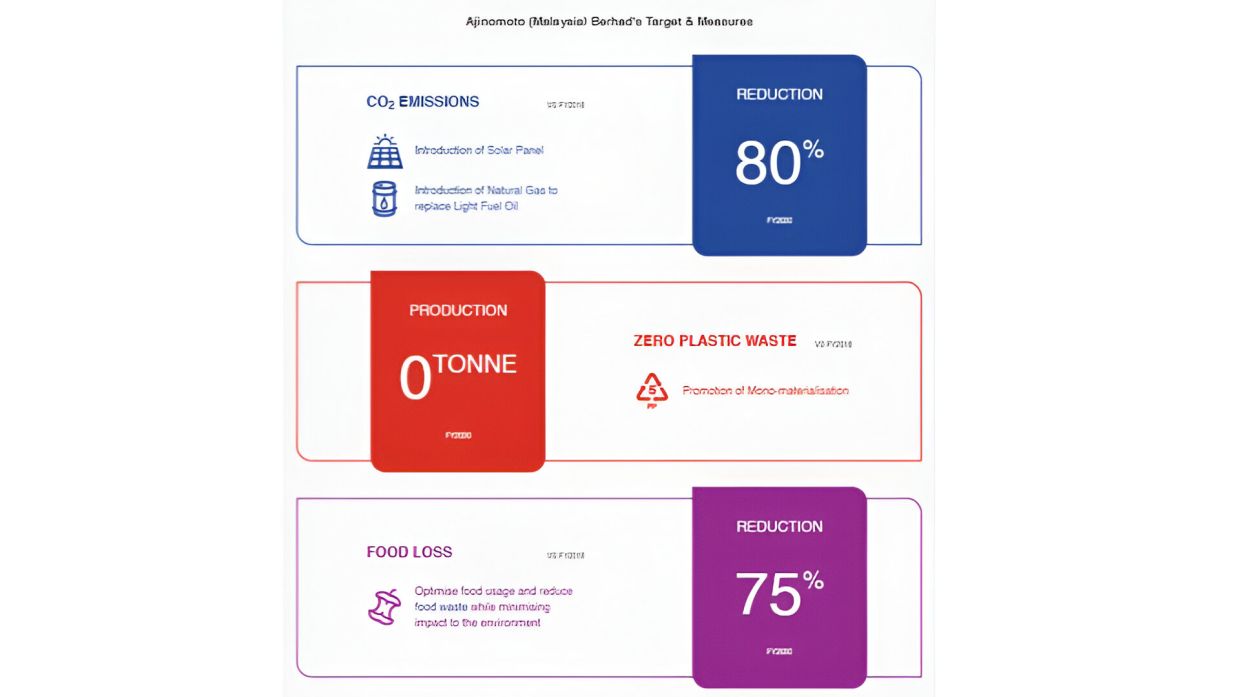
Across its facilities, Ajinomoto Malaysia has implemented energy saving technologies, water recycling initiatives, waste reduction processes and resource optimisation.
Though rarely seen by consumers, these measures contribute to the Ajinomoto Group’s global target of cutting environmental impact by 50% by 2030.
“The initiatives the company has put in place make sustainability practical, measurable and effective,” said the company in a statement.
The company also focuses heavily on community development.
In the financial year ending 2025, Ajinomoto Malaysia partnered with local schools, government agencies, and non-governmental organisations on projects related to education, healthcare, wellness, and youth empowerment.
Activities included carefully curated mentorship programmes, charity bazaars, fundraising events and skills workshops.
“Helping local development and contributing to well-being not only strengthens these communities but also creates a positive impact for everyone,” the company added.
Meanwhile, upholding ethical business practices remains a key focus of the company, which emphasises on transparency, compliance and responsible governance.
According to Ajinomoto Malaysia, it aims to maintain ethical supply chains and decision-making processes, reinforcing its commitment to integrity alongside environmental and social initiatives.

Furthermore, innovation is central to the company’s approach. It is exploring cleaner production methods, improved packaging and more efficient resource use to reduce environmental impact, enhance product quality, contribute to a healthier environment and stronger communities.
“Conscious choices, reduced waste and support for responsible brands can collectively shape significant change.”
Looking ahead, the company is envisioning a future where environmental health, community well-being, and responsible business practices progress together — aligning with the Ajinomoto Group’s global vision of contributing to better quality of life while minimising environmental harm.
“With clear values, a strong purpose and a forward-looking vision, we are committed to building a future where people can eat well, live well and thrive in a cleaner, greener world. The journey toward a sustainable tomorrow continues, one thoughtful action at a time,” the company said.