SOUTH-EAST Asia is moving quickly toward a more sustainable future. Amid rapid change and layered challenges from environmental issues to health and social inequality, young people are emerging as the driving force of innovation.
Young leaders are creating real change, one of which is through the story of Perfect Fit from Ubud, Bali, Indonesia. By combining local wisdom, the courage to experiment and social consciousness, this initiative demonstrates how a simple idea can transform into a regional movement.
Tungga Dewi, the founder of Perfect Fit, learned extensively from the culture of Ubud, which emphasises “being” over “doing”. She then translated this philosophy into an innovation approach that is warm and gradual, yet deeply rooted.
Through this lens, women’s issues such as menstruation became a subject that connects the body, culture, ecology and economy. This awareness eventually evolved into a movement that is now now gaining recognition in the ESG discourse across South-East Asia.
From stigma to social
movement
Indonesia, like many other South-East Asian countries, still struggles with stigma and unequal access related to menstruation. Myths such as the prohibition against cooking while menstruating or beliefs that sanitary pads must not be burned remain prevalent in several regions.
Meanwhile, access to proper sanitary pads in remote areas is often limited, and skin irritation caused by conventional disposable pads is considered normal by many women. When waste management systems are not yet established, disposable pads are discarded carelessly, potentially worsening microplastic pollution.
When Perfect Fit began as a social project in 2018, menstruation was chosen because the issue could open conversations about sexual and reproductive health and rights. Education was carried out widely to normalise conversations, reduce stigma and connect women with the information they needed.
In addition, Perfect Fit also made sexual and reproductive health and rights education a central agenda, reaching out to young people from various regions in Indonesia. They were trained to become changemakers in their respective communities so that knowledge about the body, reproductive health and sustainable menstrual practices could spread faster and take root. This model ensures that the impact of education does not stop with the training participants but grows into a youth-led movement.
Tungga Dewi realised that education alone was not enough. Many women understood the new knowledge but did not have products that suited their needs, were environmentally friendly and affordable over the long term. This was the point where social innovation met product innovation.
With initial funding from Grand Challenges Canada, Perfect Fit began producing washable cloth pads in collaboration with women in Flores, East Nusa Tenggara. This model addressed three needs at once—physical health, economic efficiency and waste reduction.
Unfortunately, the pandemic changed the trajectory. When the project ended, Tungga Dewi decided to continue the initiative independently. The remaining grant funds became the seed capital. This decision marked Perfect Fit’s transformation from a social project into a self-sustaining social enterprise.
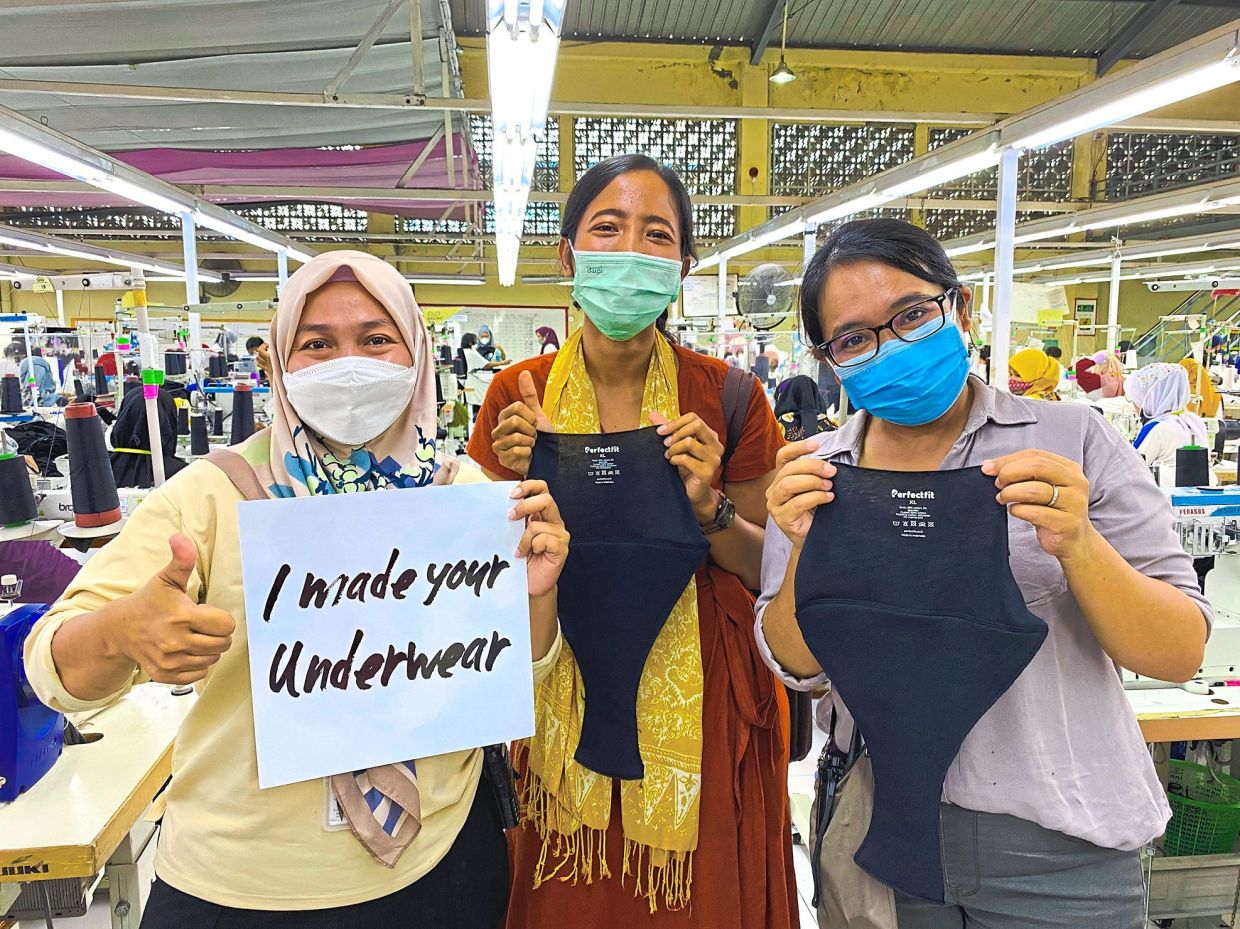
That moment paved the way for a more ambitious phase of product innovation. In 2021, Perfect Fit launched Indonesia’s first high-absorbency period underwear. In 2024, they developed biodegradable bamboo pads. These products emerged in response to users seeking practicality without abandoning sustainability principles. The menstrual cup was launched a year later.
This is where the issue of menstruation is closely connected to the ESG agenda. On the environmental side, reusable products can reduce the thousands of disposable pads that one person would generate during their reproductive life.
On the social side, sexual and reproductive health and rights education helps open a safe space for women to understand their bodies without stigma.
From the economic side, Perfect Fit shows how micro, small and medium enterprises can survive and grow through customer loyalty, even while facing challenges of retail penetration and price sensitivity among Indonesian consumers. Menstruation, long considered a domestic matter, has transformed into a cross-pillar ESG issue with tangible impact.
Building a sustainable menstruation ecosystem
The story of Perfect Fit reflects a broader regional need: How South-East Asian countries can foster social innovation that not only solves problems but also opens new economic opportunities.
Many social entrepreneurs face similar obstacles, such as limitations in local manufacturing, minimal funding support and restricted access to cross-country accelerators. In this context, menstruation offers a strategic entry point for South-East Asian countries to strengthen their ESG agenda, especially the social and environmental aspects often considered secondary compared to energy or decarbonisation issues.
Perfect Fit also offers important lessons on how the South-East Asian market responds to innovation. Consumers in Singapore and Thailand are assessed to have shown greater openness toward sustainability and reproductive health issues, creating opportunities for regional expansion. Meanwhile, Malaysia and the Philippines have great potential in terms of population and growing awareness. Together, these four markets can form a mutually reinforcing supply chain, market base and innovation ecosystem.
Behind it all, the philosophy rooted in Ubud remains foundational. It emphasises that social innovation can only survive when it is aligned with communities, capable of growing alongside challenges and rooted in values that treat people and nature in balance.
Such harmony is essential for bridging sustainability goals, market dynamics, social needs and the cultural identity of South-East Asian communities.
Perfect Fit is not only a producer of sustainable menstrual products but also a movement born from Indonesia’s local context and now helping shape regional conversations.
In South-East Asia’s ESG era, success is not only about reducing emissions but also about delivering solutions that are humane, empowering and environmentally aligned.
This story proves that great change can start from an issue that seems simple, even from something that was once considered taboo. Today, the young changemakers are at the forefront of making it happen.