
ACROSS South-East Asia, the architecture of digital government has risen at remarkable speed. National digital IDs, cloud platforms, one-stop service portals and high-volume data exchanges—once distant ambitions—are now operational realities.
Malaysia’s MyDigital ID, Singapore’s SingPass, Indonesia’s Sistem Pemerintahan Berbasis Elektronik (SPBE) and Vietnam’s E-government Architecture Framework have brought the public sector to the brink of an unprecedented transformation.

Malaysia’s experience helps explain why this challenge persists and how it can be addressed. Over the past decade, the country has expanded broadband connectivity, strengthened its cloud infrastructure and improved interoperability across government systems.
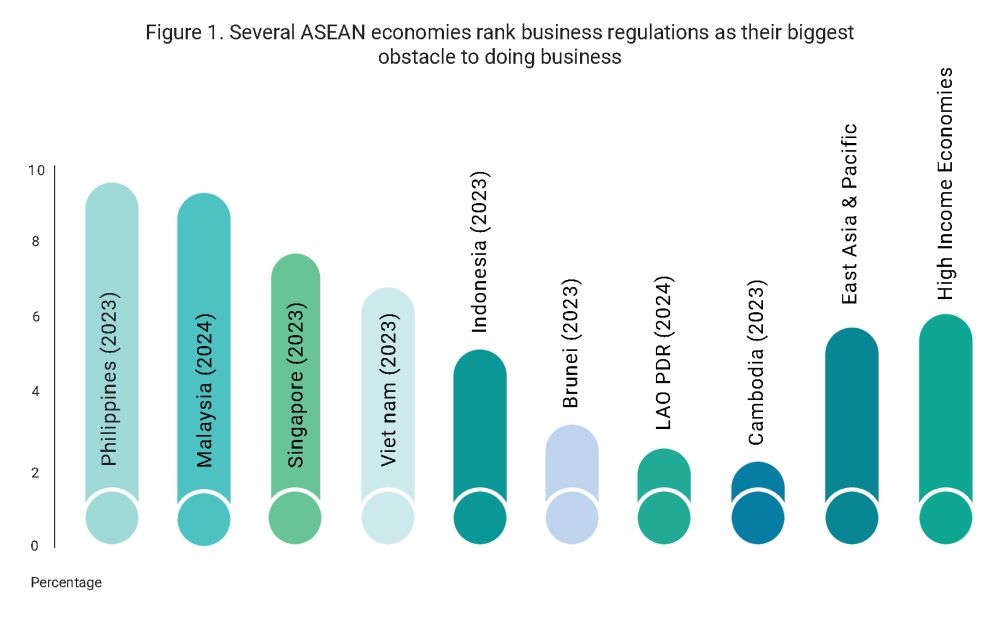
Under the leadership of the Digital Ministry, Malaysia has digitised 72% of its public services, marking rapid progress towards a fully digital government. In 2024 alone, federal allocations for digital investment reached RM 3.6bil.

To address this imbalance, the World Bank report draws on extensive quantitative evidence, combining international benchmarks with Malaysia’s first-ever GovTech Skills Survey of public servants.
The survey spans more than 16,000 staff across 28 ministries, offering a rare, system-wide snapshot of the digital capabilities, organisational culture and leadership practices shaping Malaysia’s digital transformation.
Three messages stand out:
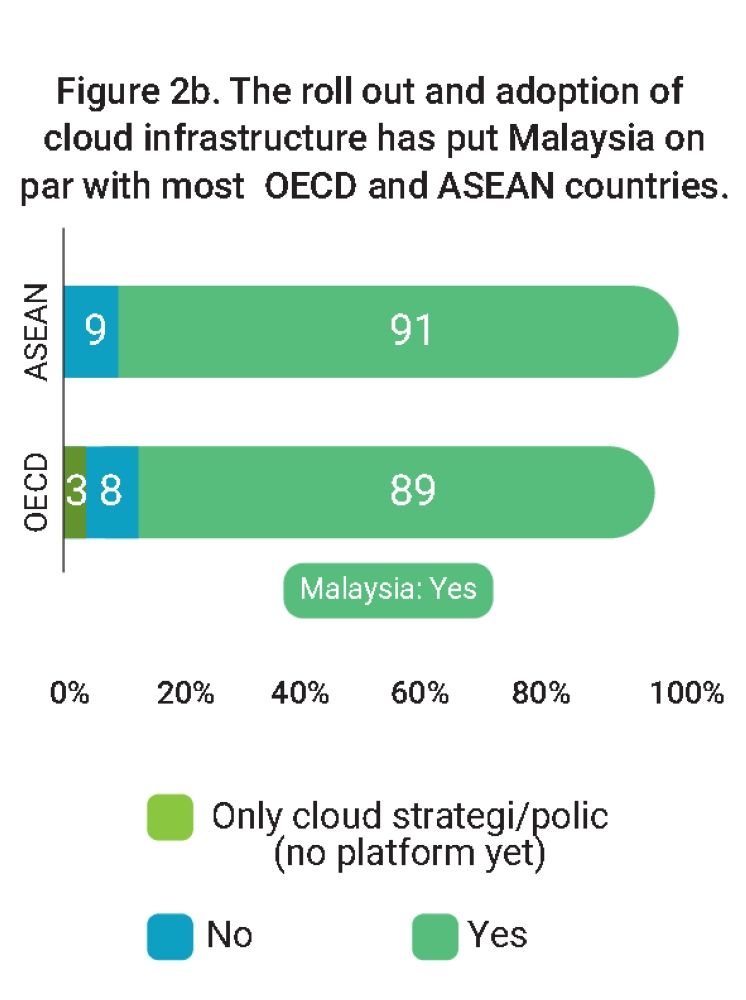
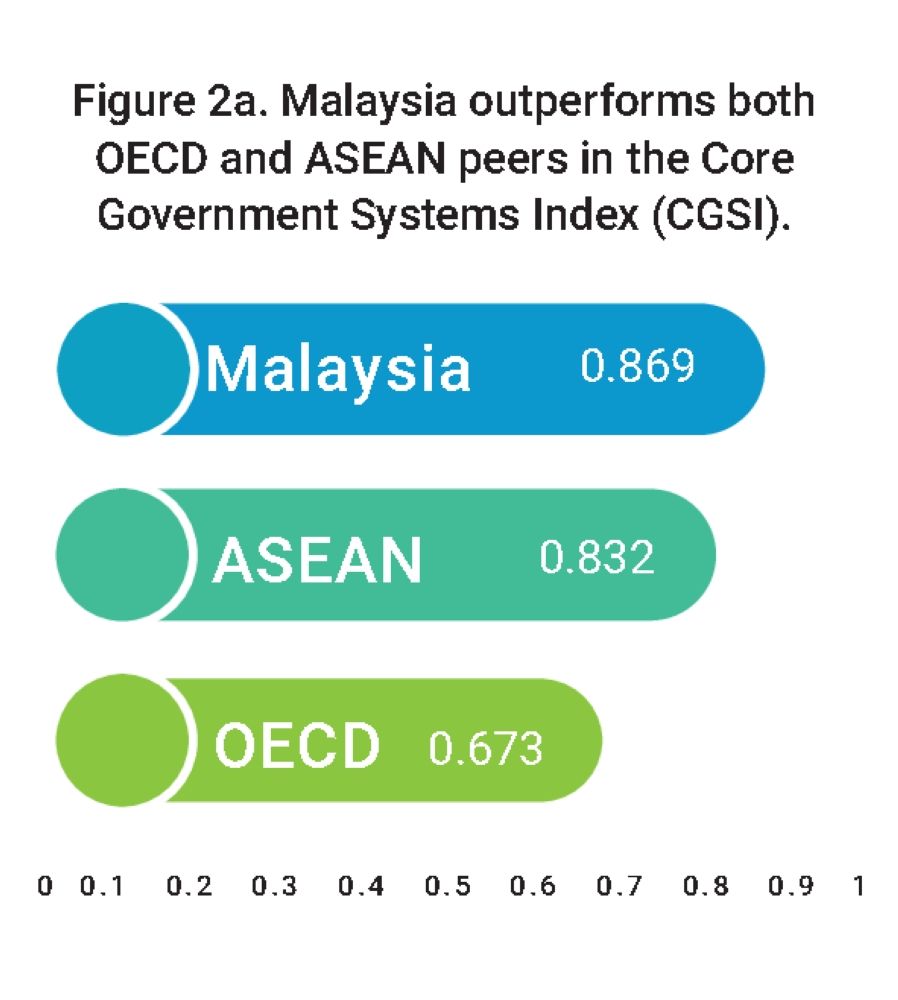
> First, regulatory complexity and implementation gaps persist. According to the latest World Bank GovTech Maturity Index (GTMI), Malaysia outperforms Asean and OECD peers on core government’s digital infrastructure (Figure 2a). The launch of MyGovCloud@PDSA, a hybrid cloud platform accessible to all ministries, has enabled 70% of agencies to migrate to a shared, scalable system—boosting efficiency, transparency and resilience (Figure 2b). Yet uneven adoption across ministries dilutes these gains. Limited inter-ministerial collaboration, parallel systems, legacy protocols and uneven adherence to enterprise architecture standards still hinder service integration and curb the impact of shared platforms. Without streamlined processes and interoperable data, firms face delays and higher compliance costs, undermining the very competitiveness gains that digital reforms were meant to deliver.
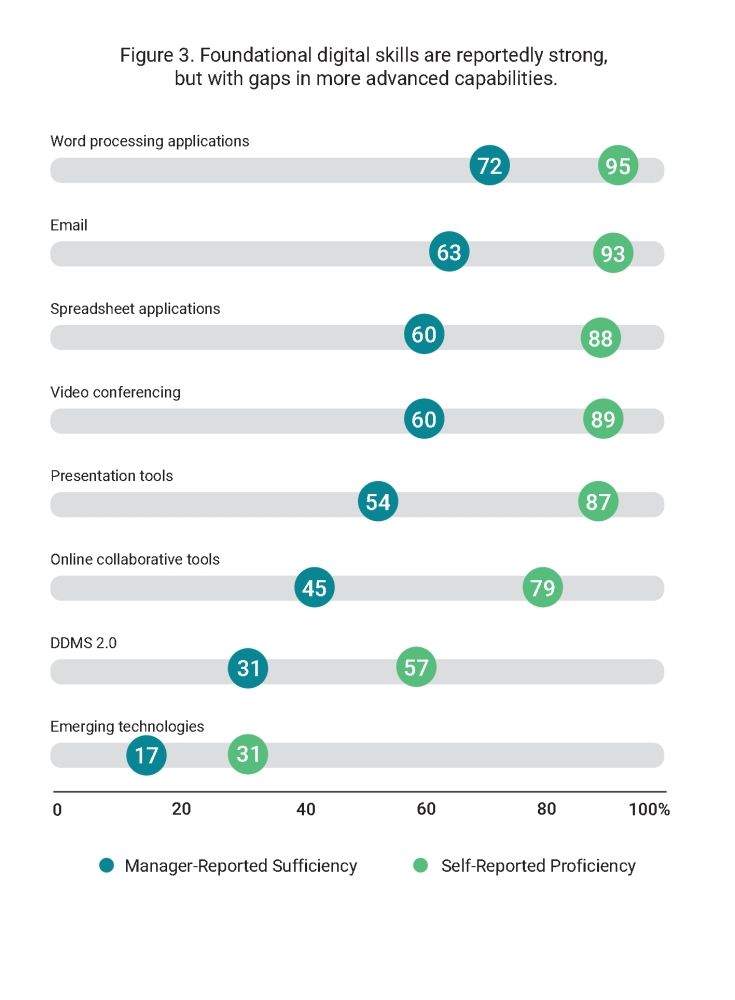
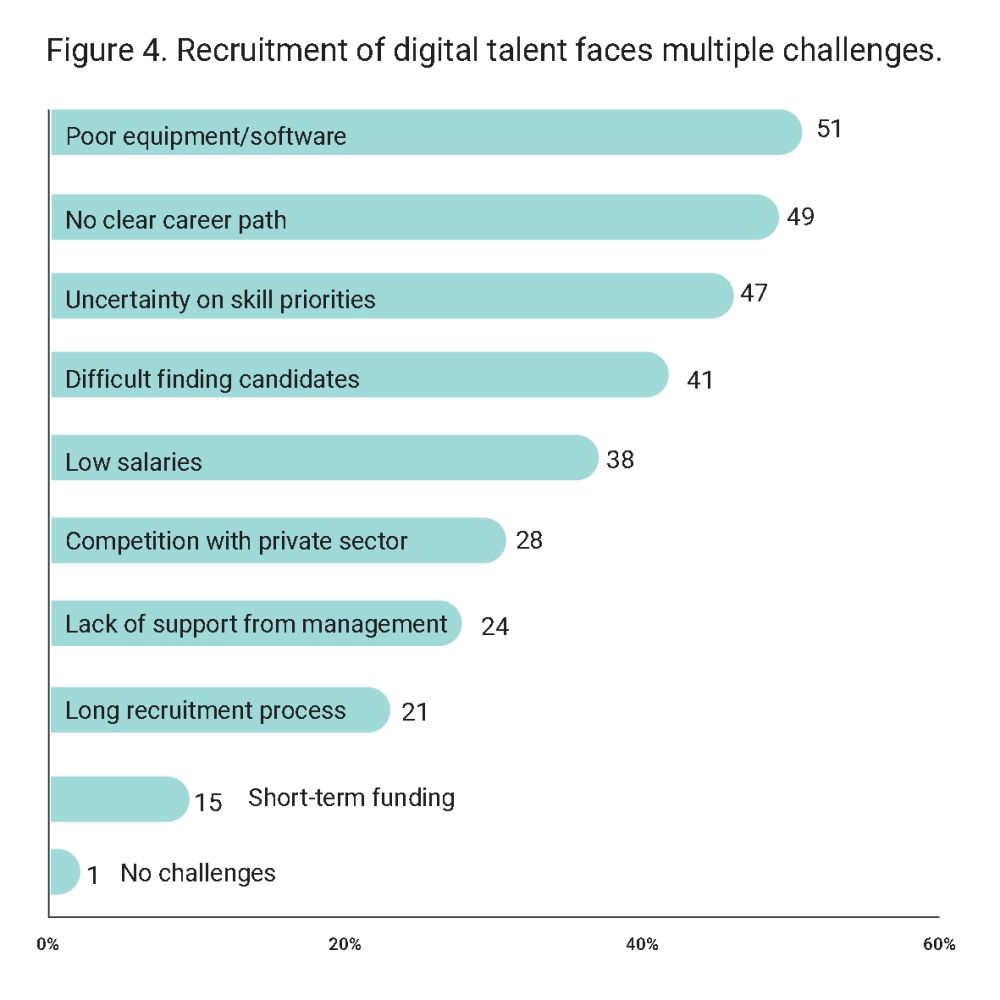
> Second, human capital remains a decisive constraint. While foundational skills are strong across Malaysia’s public service, significant gaps persist in collaborative tools, document management, data analytics and emerging technologies such as generative AI (Figure 3). Government agencies face both internal barriers—rigid hiring structures, unclear career paths, and outdated tools—and intense external competition from the private sector (Figure 4). As a result, AI proficiency and adoption remain uneven, despite clear evidence of productivity gains, with staff reporting time savings of up to three hours per day.
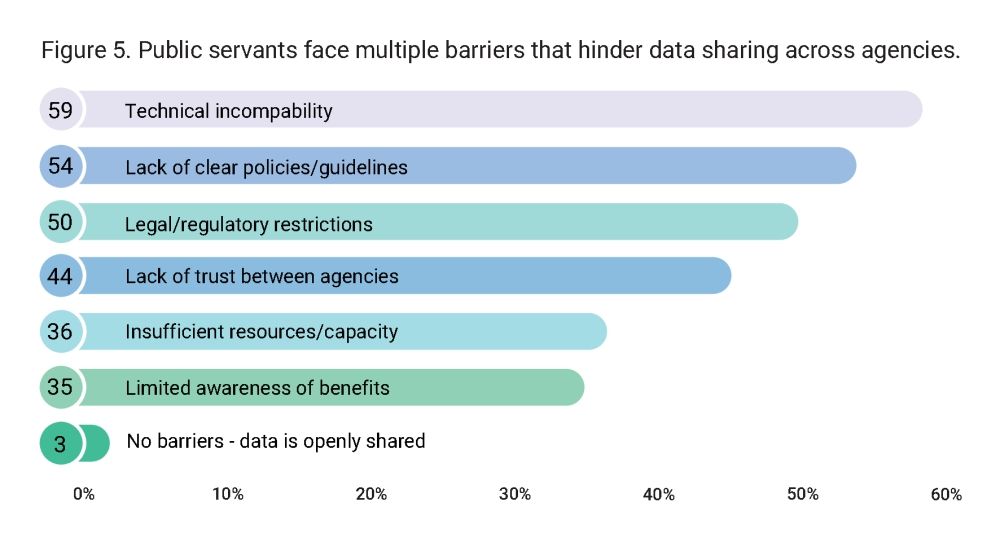
>Third, data remains trapped in silos. Fragmented data governance across ministries and levels of government continues to slow service integration and delivery, undermining policy decisions, raising compliance costs for businesses, and complicating access to services. Survey results point to multiple barriers to effective data-sharing: technical incompatibilities, unclear guidance, legal uncertainty, and limited trust. As a result, many agencies still rely on ad hoc bilateral agreements or manual data transfers—even where national data-exchange platforms are fully operational (Figure 5).
What can be done?
Malaysia’s experience offers valuable lessons for Asean governments:
Govern the whole, not just the parts. Whole-of-government digital governance—anchored in clear mandates, shared standards (enterprise architecture, interoperability) and consistent implementation across ministries and levels of government—is essential to unlock productivity and competitiveness gains.
Professionalise digital and data careers. Build attractive, well-defined career paths for digital roles; modernise recruitment and job classifications; and invest in continuous, targeted training so public servants can operate modern systems effectively.
Build user-safe, purpose-based data-sharing frameworks. Legal clarity and robust safeguards are crucial to enable secure data sharing while protecting privacy and public confidence, and to build trust across agencies and with citizens.
Align policies with practice. Ensure that enterprise platforms and national IDs are not just deployed but actively used—through the right incentives, accountability mechanisms, and change management initiatives to phase out parallel systems and legacy protocols.
What’s next
The World Bank’s forthcoming GovTech Flagship Report will delve deeper into these dynamics, bringing together Malaysia’s experience with global evidence. Its central message is clear: Asean’s digital foundations are firmly in place, but productivity gains will follow only with stronger governance, a digitally ready workforce, and coherent data-sharing frameworks.
Malaysia’s public sector digital transformation reflects both remarkable progress and significant untapped potential, mirroring a broader regional reality. If Asean governments now focus on the “analogue” enablers—institutions, skills and data governance—they can cut compliance costs, streamline regulation, attract investment and unlock the productivity growth that businesses and citizens are waiting for. Competitiveness will follow, and with it, better jobs and more vibrant economies.
The next chapter of digital government in Asia will not be written by technology alone. It will be shaped by the institutions that steer it, the people who deliver it and the data that connects it. With those fundamentals in place, digital government can become a true engine of competitiveness, and a lever for shared prosperity.