HIS obsession with photography was so consuming that it drove a young Leo Hendrik Baekeland beyond the darkroom and into the world of chemistry—in search of something greater than the perfect picture.
At 17, he entered the University of Ghent as its youngest student, graduating summa cum laude in 1882. His early promise paid off—he invented Velox, a photographic paper that could be developed under artificial light. This breakthrough made him wealthy and independent.
With time and resources to explore freely, Baekeland set up a private laboratory in his backyard. There, in 1907, he began experimenting with synthetic resins—hoping to create a heat-resistant material to replace shellac, a natural resin used in electrical insulation.
When the brilliant inventor combined phenol (carbolic acid) and formaldehyde under heat and pressure, he created Bakelite—the world’s first fully synthetic plastic, which had a hard, mouldable substance that resisted heat, chemicals and electricity.
Unlike anything found in nature, Bakelite could be mass-produced and shaped into almost anything. It marked the beginning of the modern plastics age—a material revolution that reshaped industries from electronics to automotive to consumer goods.
Engulfed by plastic
What was once hailed as a miracle material is now one of the planet’s most enduring threats. The same durability that made plastic invaluable also means it can persist in the environment for centuries.
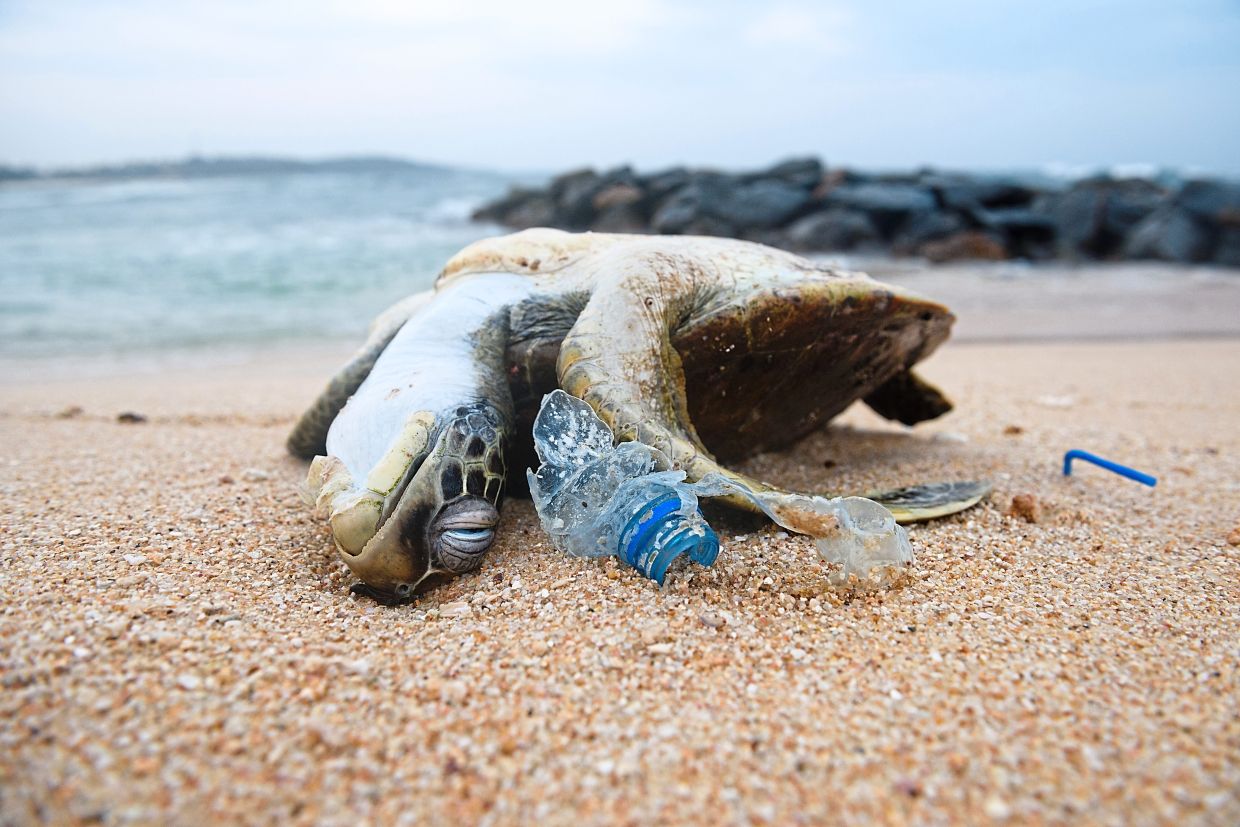
Transported by wind, rain and rivers, plastic waste travels from urban streets to the ocean, where it entangles marine life, smothers coral reefs and breaks down into microplastics. These microscopic fragments are now found in fish, seabirds and even humans.
According to scientific studies, including those by The Pew Charitable Trusts and Our World in Data, an estimated 11 million metric tonnes of plastic enter the ocean each year—the equivalent of a garbage truck dumping its load every minute.
Without urgent action, this figure could nearly triple to 29 million tonnes annually by 2040, overwhelming marine ecosystems and accelerating long-term environmental damage.
Rectifying misinformation
Contrary to popular belief, the bulk of ocean plastic pollution originates on land—not from fishing vessels or cruise ships. Mismanaged urban waste, inefficient recycling infrastructure, and litter washed into waterways via storm drains and rivers are the primary contributors.
According to the United Nations Environment Programme (UNEP), over 80% of ocean plastics stem from land-based sources.
World Wide Fund for Nature Malaysia(WWF-Malaysia) Peninsular Malaysia and Conservation Science associate director Dr Jason Hon highlights the critical misconception that the crisis begins at sea.
“The reality is that most ocean-bound plastic is a direct consequence of inadequate waste management and improper disposal. Moreover, the belief that all plastics are recyclable is flawed—only certain types can be processed effectively under current systems.”
A 2021 World Bank study further revealed that Malaysia collected merely 24% of its plastic waste for recycling in 2019, with a fraction reprocessed domestically.
Hon emphasises that addressing plastic pollution demands more than recycling—it requires a systemic shift towards a circular economy.
“Plastics must be redesigned for reuse, repurposing or elimination. This necessitates reimagining packaging, supply chains, and consumption patterns—particularly within hospitality, fast moving consumer goods and retail sectors.”
Reef Check Malaysia chief operating officer Theresa Ng warns that many consumers wrongly assume individual recycling efforts suffice, ignoring the larger issues of overproduction and weak waste management systems. She highlights the rising threat of microplastics—tiny particles infiltrating Malaysia’s coastal waters, seafood and drinking water—posing serious health risks.
“Transparency about the true scale of the problem, consumer education on plastic reduction at source, investment in sustainable product design, promotion of reusable alternatives, and advocacy for stronger regulations are imperative.
“Companies that embrace these responsibilities will not only mitigate environmental impact but also strengthen their market leadership and ESG credentials in Malaysia’s evolving landscape,” says Ng.
From greenwashing to genuine action
Ng highlights that businesses with multi-year commitments truly stand out. These companies don’t just run one-off campaigns—they launch long-term programmes focused on redesigning packaging, investing in refillable and reusable systems and strengthening waste collection infrastructure.
“What sets these partnerships apart is sustained investment, transparent reporting, and genuine collaboration with local communities and governments. They embed these commitments into their core business strategies, not just their corporate social responsibility.”
Ng warns, however, that corporate accountability still falls short. “Too many firms prioritise short-term profits over meaningful change. Real progress means systemic shifts including adopting recycled materials, redesigning products for reuse, investing in circular economy models, and openly reporting on supply chain impacts.”
Echoing this, Hon notes improvements in corporate responsibility but stresses that real progress goes beyond occasional pledges or awareness drives.
“It encompasses measurable targets, transparent disclosures, and the revamping of processes to mitigate plastic production at the source.
“Instead of only promoting recycling initiatives or beach clean-ups, firms can take genuine steps within their operations to diminish their reliance on new plastic made from fossil fuels (virgin plastic).”
He adds that true leadership means embracing Extended Producer Responsibility (EPR) frameworks, piloting reuse and refill systems, and working across the value chain to embed circularity into every stage.

Regulatory momentum needed
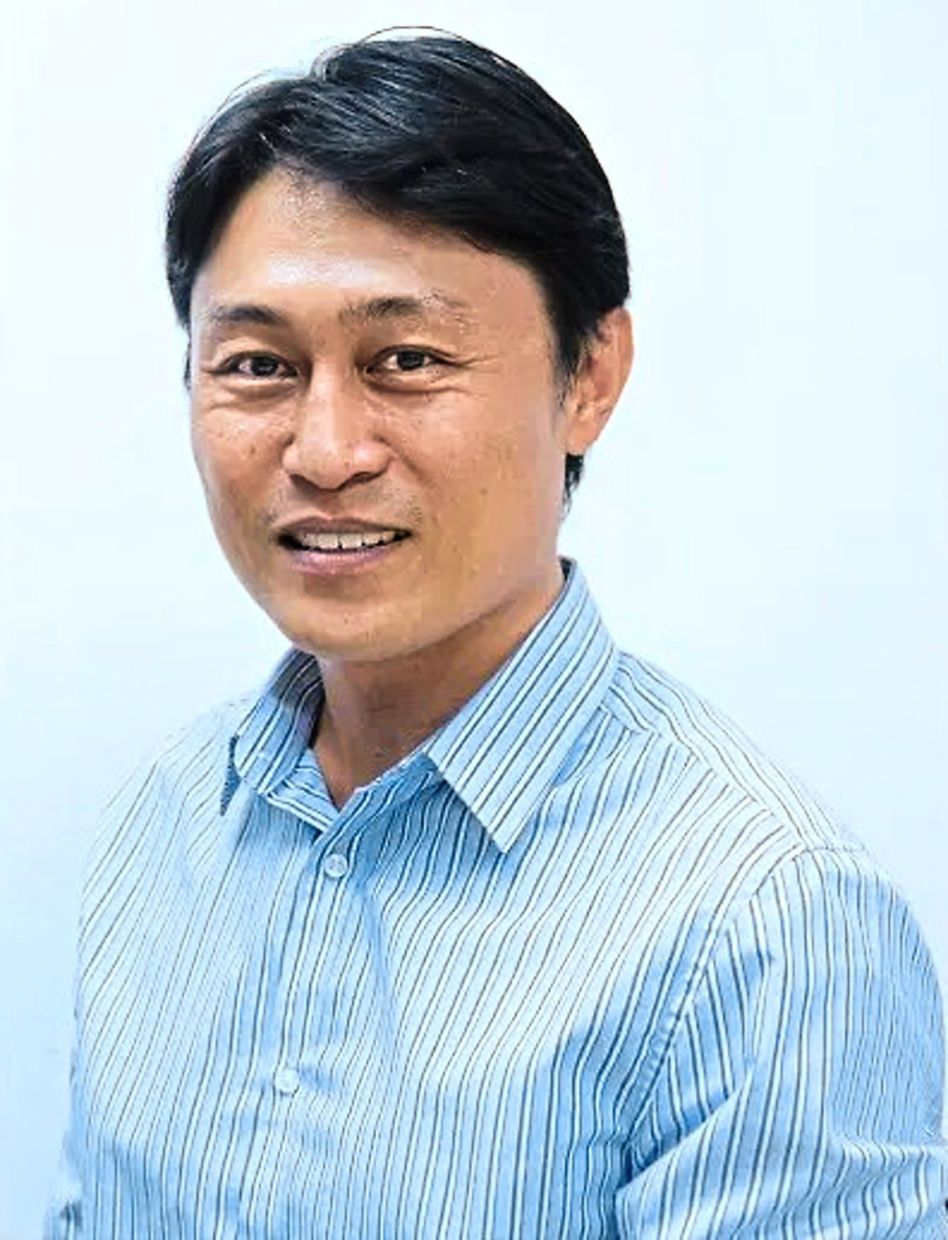
“Stronger enforcement of waste management laws and targeted incentives for businesses to adopt circular economy practices are key to driving systemic change.
“Regional collaboration across South-East Asia is also vital, as transboundary plastic pollution requires coordinated policy frameworks to meaningfully reduce plastic inflows into our oceans,” says Ng.
Hon emphasises the urgent need to accelerate the implementation of a legally enforceable EPR framework in Malaysia—one that holds producers accountable for the entire lifecycle of their plastic packaging.
“This must be supported by incentives for eco-design, sustainable packaging innovation, standardised labelling, and greater investment in local collection, reuse, and recycling infrastructure.
“These measures align with the strategic directions of the Circular Economy Blueprint for Solid Waste in Malaysia (2025–2035). Enhanced transparency in data reporting and robust traceability systems are also essential to tackling plastic-related challenges.”
Encouragingly, the Blueprint, published by the Housing and Local Government Ministry in August 2024, reports an increase in Malaysia’s plastic recycling rate—from 30.67% in 2020 to 35.38% in 2023.
However, Hon warns that this momentum must be matched with strong enforcement of EPR policies to curb further plastic leakage into the environment.
Practical, attainable measures
Ng notes that companies can take immediate steps such as redesigning packaging to reduce material use, switching to recycled or recyclable options, and investing in refillable or reusable systems.
“Conducting supply chain audits to eliminate unnecessary plastics and collaborating with waste management providers or community recycling initiatives can further improve recovery rates,” she says.
Hon adds that small and medium-sized enterprises can begin by optimising packaging and minimising excess.
“Larger corporations have the capacity to embed circular principles across operations, work with suppliers to reduce plastic use, and invest in scalable solutions,” he says.
He points to WWF-Malaysia’s Plastic Circularity Toolkit, which helps Malaysian businesses assess their plastic footprint across eight areas—from packaging and waste handling to consumer engagement. It ranks companies from “Conventionalist” to “Advocator,” offering tailored steps toward circularity.
The toolkit complements WWF-Malaysia’s broader initiatives, including the Plastic Action (PACT) Platform and Blueprint for Action, which guide businesses in setting science-based targets, reducing single-use plastics, and driving systemic change through cross-sector collaboration.
Corporate action matters
As marine plastic pollution threatens both ecosystems and economic sustainability, a growing number of Malaysian companies are stepping up—setting benchmarks for industry-wide action.
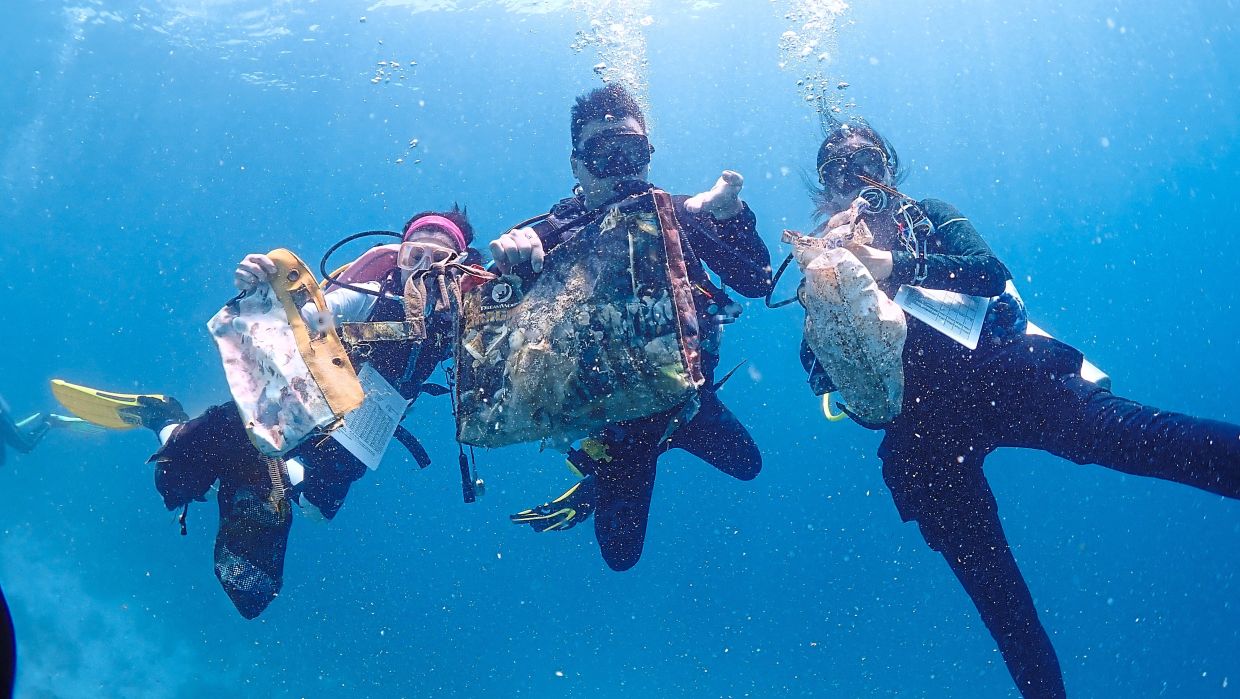
In 2024, EDOTCO Malaysia partnered with Reef Check Malaysia to remove over three tonnes of marine debris across six coastal states, demonstrating how corporate involvement can directly support conservation outcomes. Nestlé Malaysia, meanwhile, has taken the lead in plastic recovery through initiatives like Project SAVE and the newly launched SELKitar.
In collaboration with KDEB Waste Management, the company runs door-to-door plastic collection across Selangor, diverting over 20,000 tonnes of plastic from landfills and waterways.
Its beach and underwater clean-ups have recovered an additional 12 tonnes of marine debris since 2018.
Other innovators including Klean, Biji-Biji Initiative, and Heng Hiap Industries and more are contributing through technologies like reverse-vending machines, upcycled plastic goods, and recycling of ocean-bound plastics.
All in all, tackling Malaysia’s plastic pollution demands urgent action from both businesses and government.
By embracing circular economy principles, enforcing stronger regulations, and ensuring corporate accountability, the country can significantly reduce plastic waste and protect vital marine ecosystems—setting a powerful example for South-East Asia’s fight against plastic pollution.
As Sir David Attenborough reminds us, “The ocean is a source of life and wonder. Protecting it is protecting our future.”