HO CHI MINH CITY: Over the past five years (2020 to 2025), Ho Chi Minh (HCM) City has unveiled numerous initiatives and action plans to promote green growth, focusing on renewable energy, the circular economy and waste management.
To cut greenhouse gas emissions by 10% by 2030 and help Vietnam achieve its net-zero target by 2050, the city has been encouraging businesses to adopt green production models, supporting small and medium enterprises in accessing green credit, developing electric buses and implementing waste sorting at source through a wide range of policies.
One key policy is Decision No 1055/QD-UBND issued in 2021 for a programme to reduce environmental pollution in 2020 to 2030, focusing on cutting the impact of wastewater, gas emissions, and solid waste from industrial activities on the environment.
This programme has played a major role in guiding the city’s growth and helping officials make adjustments to development targets so that HCM City can become an economic powerhouse that also provides a clean and sustainable living environment for residents, tourists, and investors.
In 2022, the city issued Decision No 4589/QD-UBND on implementing the 2021 to 2030 national strategy for sustainable development, restructuring its economy towards green growth, promoting green credit for businesses, attracting green investment projects, encouraging environmentally friendly lifestyles, and identifying criteria for “green buildings”.
Resolution No 98/2023/QH15 of the National Assembly on piloting specialised mechanisms for HCM City’s development has also created favourable conditions for green economic growth.
For example, the city can pilot financial policies to reduce greenhouse gas emissions through carbon credit exchange and offset mechanisms, and is considering installing solar panels atop government buildings to cut energy consumption.
There are also mechanisms to encourage households and businesses to switch to solar energy and vehicles using clean energy, especially motorbikes operated by ride-hailing services, as well as policies to incentivise solid waste processing projects to adopt energy recovery technologies.
The city is prioritising high-value investment projects in the fields of innovation hubs, biotechnology, automation, clean energy, semiconductor integrated circuits, new batteries, and materials, among others, in addition to offering tax exemptions to promote innovative and sustainable start-up projects.
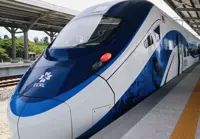
The city has also been focusing on developing its public transportation network to reduce emissions from private vehicles, including electric buses, Metro Line No 1, and the water bus service, which functions as both a unique tourism product and an environmentally friendly commuting option for local residents.
In June the city established an advisory group to propose green transformation roadmaps and strategies following its merger with Binh Duong and Ba Ria–Vung Tau.
It plans to organise discussion panels and training courses to advance this goal, while also building co-operative relationships with international strategic partners for green transformation and with media organisations to help disseminate information about relevant policies.
Also in June the city launched the “For a Green Can Gio” action plan, which includes encouraging local tourism destinations to limit plastic use, developing public transportation systems, and improving waste processing facilities, a programme of great importance given that this ecologically rich region is recognised by United Nations Educational, Scientific and Cultural Organisation as a World Biosphere Reserve, helping HCM City better cope with climate change.
Associate Professor Nguyen Hong Quan, rector of the Institute for Circular Economy Development, said for HCM City a green economy is not only vital for environmental protection but also a foundation to maintain long-term competitiveness and investment appeal.
“Developing green industries, green energy and a sustainable public transport system may help relieve pressure on infrastructure and the environment, contributing to more balanced urban development.”
The Industry and Trade Department is also developing a sustainable development strategy for the food processing industry until 2030.
Food, beverage and food-processing companies in the city have been adapting to changes in consumer habits, such as opting for non-plastic packaging for food and drinks.
Companies in these industries have started moving in a determined manner towards a green economy.
Businesses in other sectors are also proactively investing in green production.
According to a textile and garment company in Tan Tao Industrial Park, many partners in Europe and the United States now demand adherence to strict green standards, and so it has invested in solar energy systems and upgraded its production lines.
Nevertheless, there are some limitations.
According to experts, the city needs favourable credit policies and stronger technical support to encourage businesses to invest in green technologies, considering that such investment can be costly, and many city enterprises are small to medium.
The city also needs to focus more on developing green infrastructure, expanding public transportation and creating additional green spaces, which will reduce emissions and improve the quality of life for its residents.
Bui Xuan Cuong, deputy chairman of HCM City People’s Committee, said the city has identified the development of a green and circular economy as a key strategic pillar in the coming period, and would continue strengthening mechanisms, mobilising resources and fostering international co-operation to advance this goal.
Many experts have also pointed out that educating the community on green lifestyles such as saving electricity, choosing public transportation and limiting the use of single-use plastic products is an important step, and that there should be more incentives to encourage such practices. — Viet Nam News/ANN