Financiers grab reins as new energy startups struggle


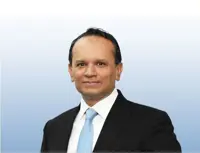
Goyal: No matter how much procurement you’re doing (at the portfolio company level), you’re going to be pretty much irrelevant to the suppliers. — Bloomberg

HOUSTON: Private equity firms are increasing their direct oversight of energy transition companies in their portfolios, taking on added duties to address runaway costs from supply chain issues and preserve valuations, executives say at the CERAWeek energy conference.

Excitement around new energy technologies saw billions of dollars of investment poured in the last four years into those aiming to shape the energy transition with biofuels, hydrogen, solar, wind and carbon removal technologies.

But the Covid-19 pandemic, subsequent supply-chain shortages of materials and equipment, slower-than-expected technological developments, and soaring demand for fossil fuels have left many new-energy firms in a precarious state.

Professional investors have reacted by taking a much more hands-on approach, said private equity executives.

Carlyle Group has negotiated for key components on behalf of its portfolio companies, Pooja Goyal, chief investment officer at Carlyle Global Infrastructure, said at the CERAWeek by S&P Global conference in Houston.

It put agreements in place with Chinese suppliers for solar panels, electrical equipment and other components, often jumping the queue on order books backed up for two or three years. This ensured projects could remain on time.

“No matter how much procurement you’re doing (at the portfolio company level), you’re going to be pretty much irrelevant to the suppliers,” Goyal told the conference.It is not just procurement using economies of scale which buyout firms can offer.

Traditional tenets which private equity firms push – such as leveraging their network of investments for collaboration, and drawing on senior people to offer management advice – are more important to startups hitting their first rough patch.

“Beyond capital, companies and founders are looking for investors like TPG that can deliver the full private equity toolkit,” Steven Mandel, business unit partner at TPG Rise Climate, said in an interview.

While ensuring these startups can navigate market turbulence and pursue climate goals, the money managers are also making sure their investments achieve expected returns.

Since the start of 2022, the S&P Global Clean Energy index has lost more than a third of its value, versus a 10% gain for the wider S&P 500. Valuations for private companies, while harder to track, are generally believed to have fallen by more than their publicly listed peers.

The correction also offers opportunities for buyout firms to make new investments to ultimately benefit existing businesses. This includes picking up assets or key engineering teams from struggling energy transition firms, including those which went public via blank-cheque firms during the boom time, and which subsequently lost much of their value.

They could also buy out other investors in the portfolio companies, thereby ensuring management teams have more time to get concepts to market and to achieve profitability.“In more complex operating environments, entrepreneurs and founders become much more selective about the types of firms they want to partner with,” Gabriel Caillaux, head of climate at equity investor General Atlantic, told Reuters.

“Managing geopolitical risk, navigating how to leverage AI, scaling technologies, and ensuring you have a fully-funded business plan” are all things which cleantech CEOs are seeking help with, he added. — Reuters

Follow us on our official WhatsApp channel for breaking news alerts and key updates!

Next In Business News

Sentral REIT appoints Tay Hui Ling as CEO
Mega First to acquire 12.5% stake in Stenta Films for RM33.10mil
DXN inks MoU with Apex-Brasil to explore Brazil, eyes US$50mil investments
F&N to focus on innovation, diversification and transformation
Mulpha International invests US$20mil in Hong Kong's Sun Hung Kai bond programme
Ringgit breaches 4.04 level against US dollar after OPR maintained at 2.75%
Capital A’s Teleport to raise US$50mil via perpetual securities
Apex Healthcare to be delisted on Jan 27
Prudential to raise stake in Malaysia life insurer holding firm to 70% for US$377mil
BWYS shareholders approve RM67mil property disposal, RM94.5mil land acquisition

Others Also Read