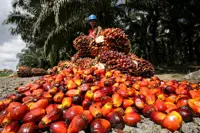
KUALA LUMPUR: Palm oil suppliers across Southeast Asia are struggling to cope with record output, with plantations delaying harvest and mills stalling on deliveries as storage tanks overflow, multiple industry sources said.
Inventories of the edible oil, used to make consumer goods like shampoo, ice cream and cosmetics, usually peak between the third and fourth quarters of the year as seasonal production peaks, but slower demand this year has accelerated stockpile growth and driven prices to multi-year lows.
Malaysian stocks rose to 3 million tonnes in November, the highest in at least 18 years, while Indonesian stocks totalled more than 4.4 million tonnes in October, having peaked at close to 5 million tonnes in July.
Two Malaysian-based planters told Reuters they delayed harvesting in their Indonesian estates as storage tanks were full.
"We've faced delayed harvesting in Indonesia. We are dependent on third-party mills and face delays in fresh fruit bunch deliveries," said Peter Benjamin, chief executive of United Malacca Berhad , adding that high stocks and low prices could persist throughout 2019.
"The combined stocks of Malaysia and Indonesia are high, with higher output coming from Indonesia. Unless exports improve, stocks are going to be high."
With palm's benchmark contract currently trading near three-year lows, some Malaysian smallholders have stopped harvesting activities and mills refuse to buy their fruit.
Millers said late harvests have impacted fruit quality and deliveries to refiners have been stalled, while refiners are trying to process more crude palm oil into refined products which have a longer shelf life.
A manager at a palm refiner in Sabah, Malaysia's largest producing state, said he sees trucks loaded with palm fruit lining up at mills every day.
"Players with large tank spaces can keep their oil. Others rent additional tanks, which are in high demand now. Those who can't store either sell their oil cheap or stop taking harvests," he said.
The supply glut, however, is easing in top producer Indonesia.
Output is declining seasonally while shipments have picked up after the government eased export levy rules on palm products last week.
Indonesia had supply chain disruptions in July due to an extended public holiday, and mills had suspended production in September when storage tanks were full.
"Things are better now in terms of congestion at refineries and ports. The tariff removal has helped... Production has begun to taper off too," said an Indonesian planter.
While there is still some port and refinery congestion in Kalimantan and parts of Sumatra, Indonesia's main palm growing regions, the planter said he expects it to ease throughout the country by January. - Reuters
Already a subscriber? Log in
Get 20% OFF The Star Digital Access
Cancel anytime. Ad-free. Unlimited access with perks.