
Just hours apart on Capitol Hill on Tuesday, two congressional hearings laid bare the United States’ calibrated yet deeply sceptical approach to China, with senior officials stressing the pursuit of stable ties without trust and highlighting alleged Chinese efforts to steal or circumvent US technology restrictions.
The officials’ appearances before Congress reflected bipartisan concern and underscored persistent tensions over trade and advanced technologies such as semiconductors, ahead of US President Donald Trump’s planned April summit in Beijing with Chinese leader Xi Jinping.
In a House Foreign Affairs Committee session on advancing national security through commercial diplomacy, a top State Department official articulated the administration’s stance: seeking a constructive relationship with China while withholding trust.
“Having a stable relationship with them is not in contradiction with trusting them,” said Jacob Helberg, Under Secretary for Economic Affairs, when asked about his threat assessment of the country. “China has not given us many reasons to trust them.”
The comments come ahead of Trump’s trip to China in late March, where he is set to meet with Xi. The White House confirmed last week that the trip will take place between March 31 and April 2, marking Trump’s first visit to China since returning to office.
Speaking later in the day before the subcommittee on South and Central Asia, David Peters, assistant secretary of commerce for export enforcement at the Bureau of Industry and Security, acknowledged bipartisan concerns that advanced chips were being smuggled to US adversaries.
“Yes, there is chip smuggling. It is going on. We are actively addressing this problem. It is among our top enforcement priorities,” Peters said, noting that enforcement faces inherent challenges, particularly overseas, where US authorities must rely on host-country law enforcement to monitor and investigate violations.
Several lawmakers pointed to recent reports and allegations involving Chinese AI firms, including DeepSeek, accusing them of engaging in coordinated efforts to extract sensitive information from AI models.
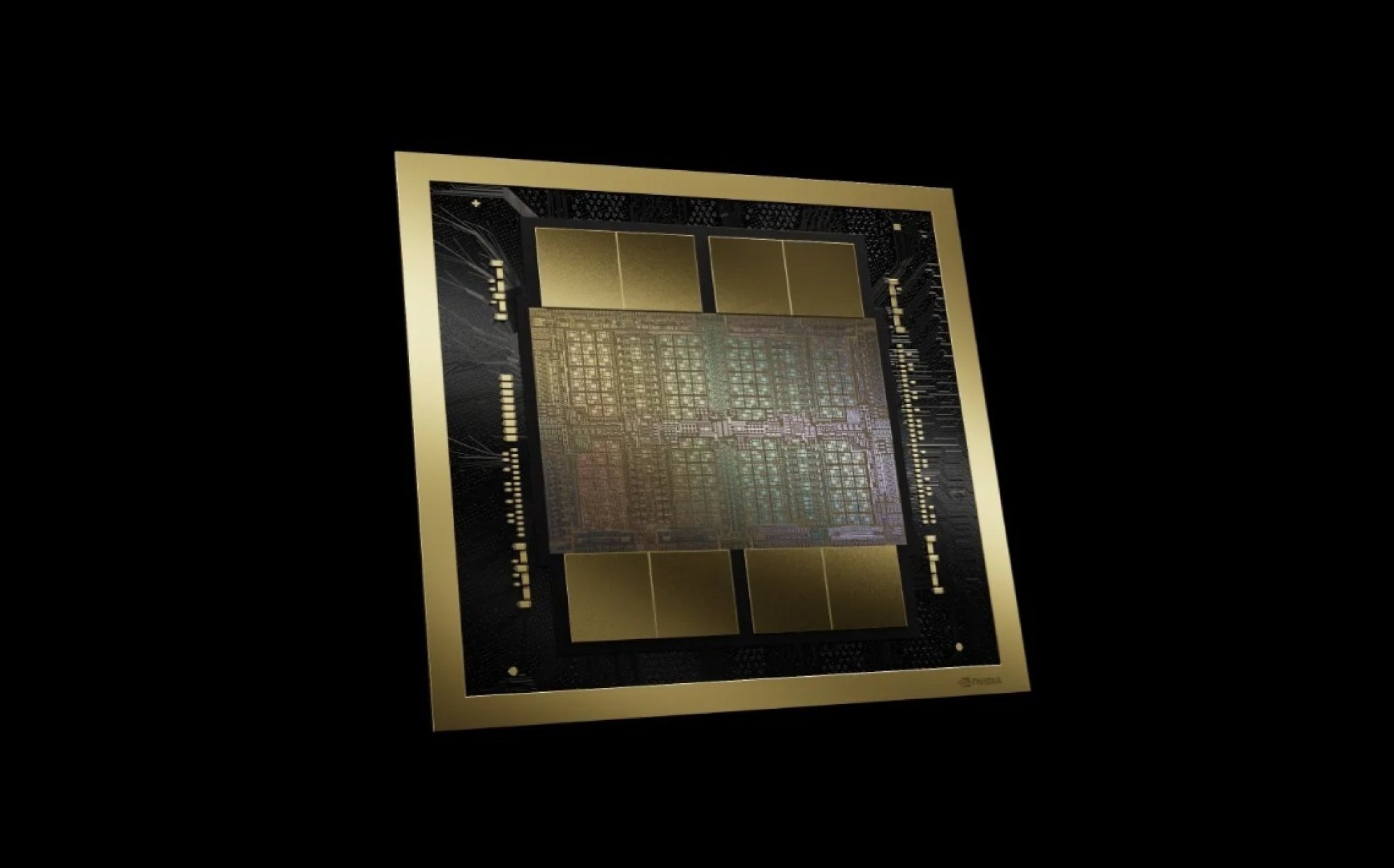
A separate Reuters report alleged that DeepSeek’s latest model may have been trained using Nvidia’s most advanced Blackwell chips, potentially in violation of US export controls.
Subcommittee Chairman Bill Huizenga, a Republican from Michigan, in his opening statement, pointed out that while Trump had banned the export of most advanced chips, China was “finding them anyway”. He contended that since “China’s AI chips cannot compete with ours, so Beijing is resorting to theft instead”.
The Trump administration is seeking to counter such threats through initiatives like Pax Silica, launched in December, to secure AI-related supply chains and advance a new economic security consensus among allies and trusted partners.
Signatories include Australia, Greece, India, Israel, Japan, Qatar, South Korea, Singapore, the UAE and Britain. Non-signatories include Canada, the EU, the Netherlands, Taiwan and the Organisation for Economic Co-operation and Development (OECD).
“We believe that the American private sector and the power of American industry are our best foreign policy tools,” Helberg said on Tuesday.
“It is the reason why 11 countries in less than four months have lined up to sign up to Pax Silica. Everyone wants to be part of the AI revolution, and we plan to wield that as a tool to advance our interests.”
The smuggling and AI theft issues set the stage for “China hawk” Helberg’s broader assessment of US-China competition across trade, technology and AI.
“One of the reasons the president’s policy is so important right now is because much of the world that does not have similar tariff regimes is on the receiving end of what many are characterising as a ‘China shock 2.0’,” Helberg said.
“They are flooding the world with cheap smartphones, cheap telecoms and cheap BYD electric vehicles. And frankly, it’s a major problem for Europe. It’s a major problem for Southeast Asia.”
“China has made no qualms about their plans to try to overtake us,” Helberg added, calling Beijing a formidable economic competitor and adversary. He said Washington is working to outcompete Beijing while securing supply chains and making sure American companies remain global technology leaders.
“My assessment is on all the most important sectors related to technology, China has very well laid out plans to continue moving up the value chain and dominate those sectors,” he said, adding that “they don’t play fair. They never do”.
Helberg also highlighted India’s unique capabilities, noting that it rivals China in depth of human capital and talent. India joined the Pax Silica initiative on February 20. -- SOUTH CHINA MORNING POST