BEIJING: Once, young people in China were obsessed with emulating trendy lifestyles, attending parties, enjoying fine dining and treating consumption as a social currency.
But as this fast-paced lifestyle became the norm, many began to feel exhausted.
In response, a quieter, more traditional way of living has surfaced, and the young people have started calling themselves “old-school humans”.
Last December, some people began sharing stories on social media about spending time with their grandparents at local markets or dining with their parents at community canteens.
These moments of generational connection quickly gained attention, with many humorously adopting the “old-school human” label to describe their lifestyle, which feels out of sync with trendy things.
They prefer street food over fancy meals, dress for warmth instead of fashion and swap bubble tea for goji herbal tea.
At the weekend, such young people avoid popular tourist spots and instead relax in parks or join aunties’ groups for square dancing.
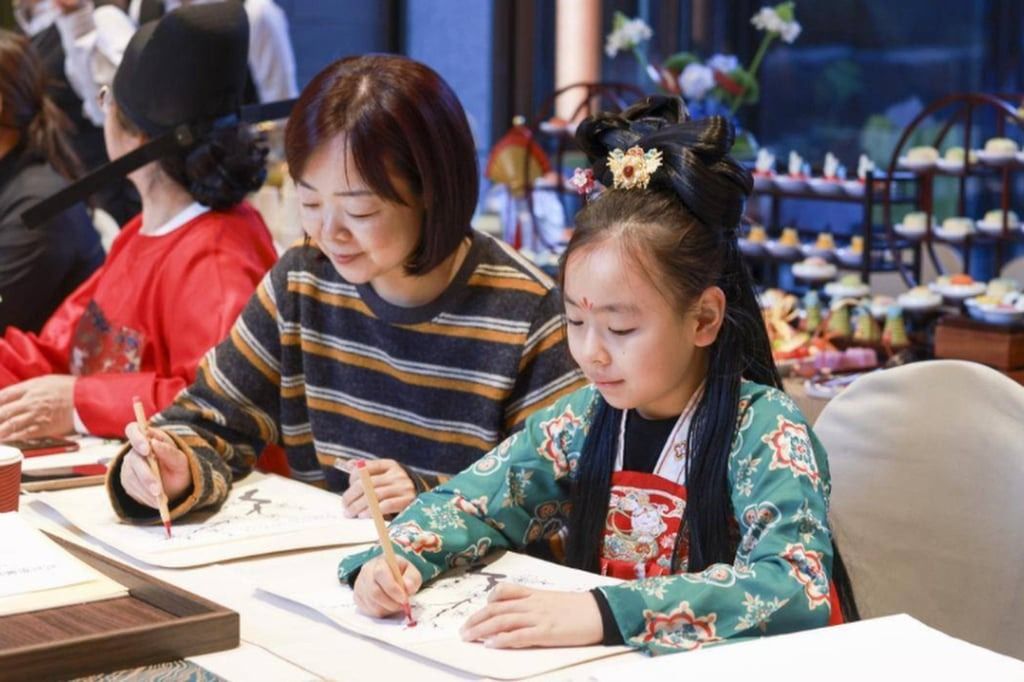
They also revisit classic songs and films, and take up hobbies like journaling, chess, calligraphy and knitting, activities once considered the domain of older generations.
Shopping habits reflect this shift as well. They prioritise durable, eco-friendly items, regularly declutter their wardrobes and even hoard plastic bags.
Their phones reveal a similar old-fashioned touch: they use larger fonts, disable unnecessary notifications and limit their time on social media and short video platforms.
By February, stories about old-school humans had garnered one billion views on major mainland social media platforms, with many claiming to have “the youth of 25 but the mindset of 70”.
One netizen, @Laohongshu. shared a comprehensive guide on how to become an old-school human, covering topics like food, travel, relationships and technology use.
Many young Chinese women have also become drawn to the “old-school boyfriend” archetype.
In other words, men who are simple, frugal and focused on practical needs rather than romantic gestures.
These boyfriends prefer eating delicious street food over expensive meals, and if their girlfriend feels tired at work, they will not offer sweet words but will take her for a shoulder massage instead.
This old-school mentality also extends beyond relationships.
The so-called old-school kids, admired for their maturity, are less pampered and more independent. They shop for groceries, cook for their parents, and even mend their own clothes to save money for the family.
Many workers in China are also hoping to become old-school humans.
They started to dress simply for work, brew tea in the office, take regular naps, and prefer weekends spent at home reading, watching documentaries or sleeping rather than socialising at bars.
One practitioner said: “Slowing down and living like my grandfather has helped me breathe easier. I go fishing, walk in parks after work, and limit phone use. Performance, status, fame … they no longer matter. Maybe I am lacking in material wealth, but I am spiritually rich.”
While another said: “Becoming old-school is about learning to love, protect, and cherish myself.”
However, some netizens worry that this trend could lead to young people avoiding competition, thereby disconnecting from mainstream societal progress.
Professor Sun Fei, a gerontology and social work expert at Michigan State University, told the SCMP that the trend should be seen as an awakening and reflection on modern society rather than escapism.
He said: “If these old-school humans can slow down society and change the narrative of using youth to chase success, that would be progress.”
Sun also said that both the old-school trend and earlier cultural imitation trends reflect the younger generation’s pursuit of a “liveable life”.
In a previous interview with the SCMP, he said that the “Becoming Chinese” trend reflects young people’s desire to regain self-identity through alternative lifestyles.
He believes that becoming old-school is essentially a moderate retreat from excessive socialisation by adopting behaviours similar to those of older generations.
“From a gerontology perspective, true comfort in life often comes from returning to a more ‘animalistic’ state, focusing on sleep, food, health and activities of daily living (ADL). Young people are beginning to explore and adopt this lifestyle as well,” said Sun.
The trend could have far-reaching effects on several social levels, such as pushing consumption towards functional and sustainable products and reducing reliance on fast fashion.
Professor Sun also said that as old-school humans find more common ground with their parents and grandparents, intergenerational conflict may decrease, fostering mutual understanding.
“The trend could also challenge traditional family expectations in China, such as marriage and childbearing timelines and success standards, encouraging families to redefine what constitutes a good life,” he added. - South China Morning Post