In quiet corners of China, a growing community is forging a deep, almost personal connection with history.
Known as “history fangirls”, they visit the museums and mausoleums, write books about them and are keen on related merchandise.
One such devotee, a woman known online as @bufashi, spent the past year visiting 52 gravesites, travelling through remote mountains and forests in search of the resting places of ancient Chinese figures.
Each solo trip is more than an act of remembrance; it is a way to connect with long-dead idols whose lives have shaped the present.
The phenomenon first gained traction last April, when some young people shared their Ching Ming Festival travels online, posting photographs of themselves leaving unusual tributes at mausoleums.
They offered painkillers and snacks to generals, wine and calligraphy brushes to poets.
They call themselves “history fangirls”, a term drawn from fanfiction culture.
Predominantly female, the term “fangirls” is not gender-specific, reflecting the respect for women in fanfiction communities.
The trend has caused a nationwide wave of historical nostalgia, with related topics online attracting more than 210 million views.
Mount Beimang in Luoyang city is an ancient political centre in central China.
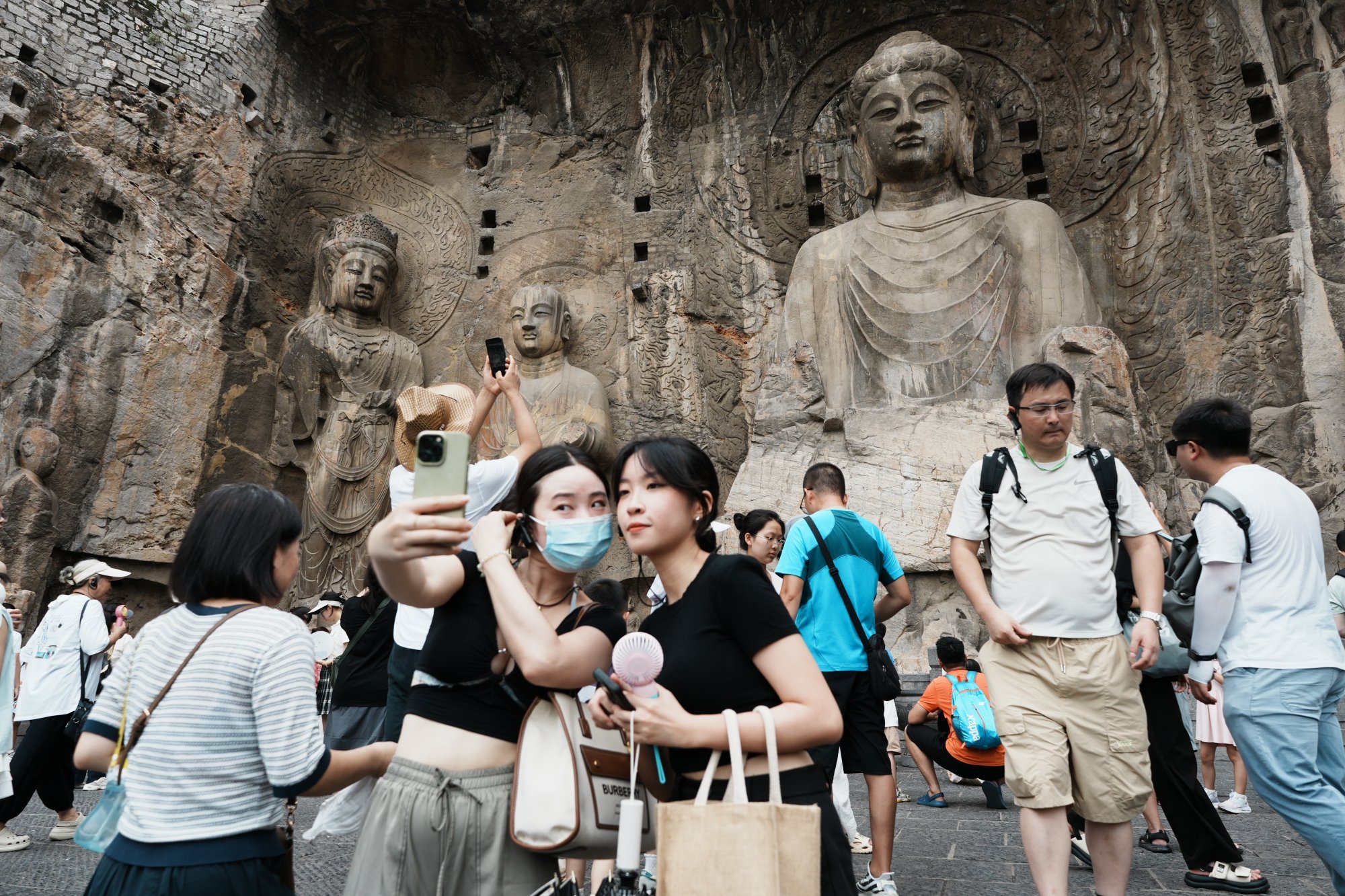
More than 40 emperors and thousands of nobles are buried there and it has become a pilgrimage site for the fangirls.
One woman said that she travelled 12 hours by train to visit the tomb of Li Yu, the last emperor of the Southern Tang dynasty (937-975), bringing a prayer tablet and a book of his poetry.
In Jingzhou, central China’s Hubei province, another woman donned Ming dynasty (1368–1644) attire, bringing a banner and cake to celebrate the 500th birthday of Zhang Juzheng, a prominent political figure.
She wrote in her post: “You placed the people first and even 500 years later we remember you.”
The trend has also sparked a wave of consumer enthusiasm.
Historical books and memorabilia are flying off the shelves.
A book about Cao Pi, a Chinese emperor from the Three Kingdoms period (220-280), sold out within minutes of its release, with resell prices reaching eight times the original cost.
Merchandise featuring poetry and portraits of ancient figures has seen impressive sales, including more than 30,000 postcards sold at an online shop.
A fan said that her travels to museums and shrines dedicated to Zhuge Liang, the legendary strategist, had cost her more than 200,000 yuan (US$29,000).
Others create secondary works inspired by historical figures, such as novels, videos and memes, sharing them widely on social media.
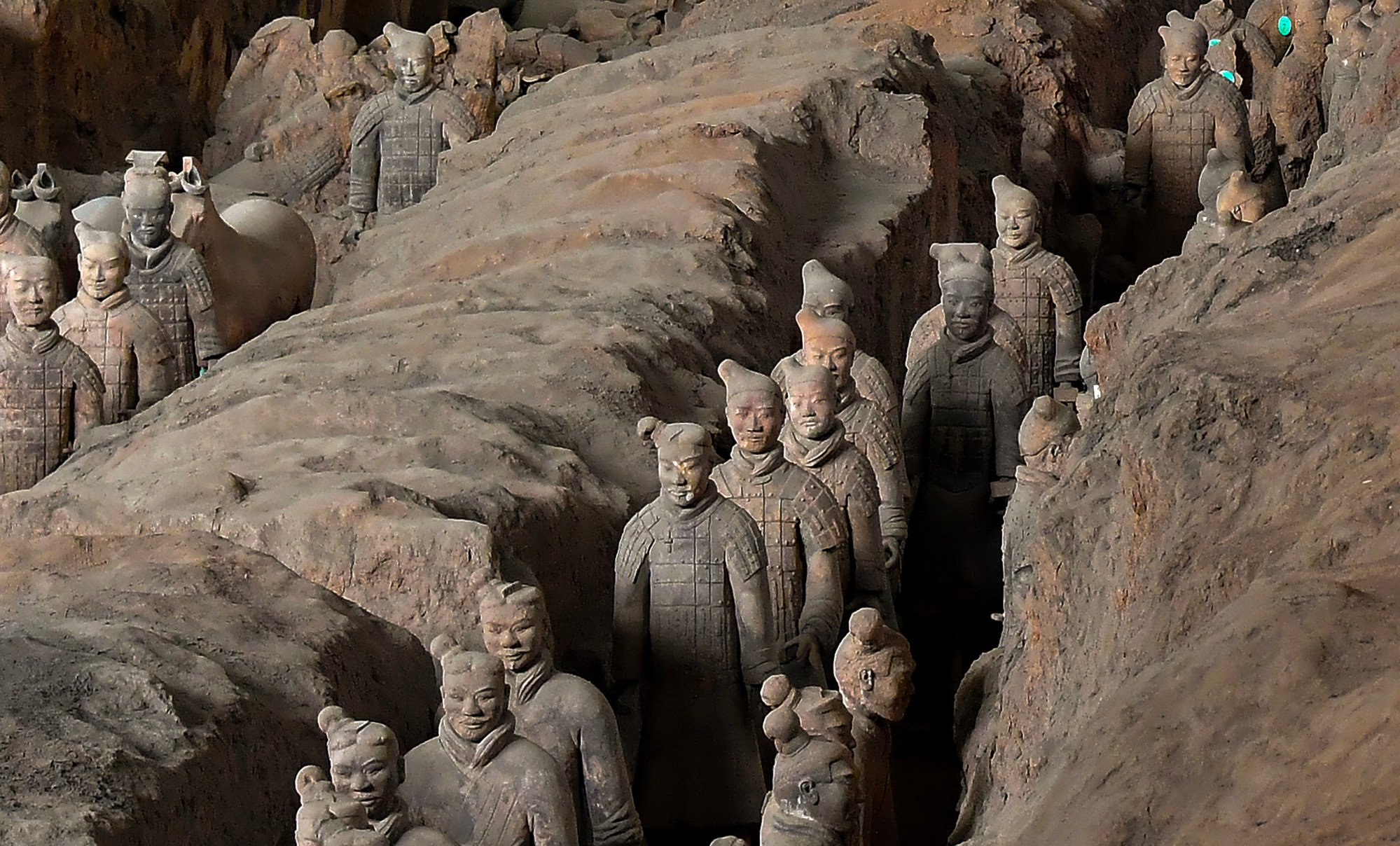
For many devotees, honouring historical figures serves as a psychological defence against the uncertainties of life.
“We do not know if we will find the right job or the right partner, or even when we might die,” said Chunqiu, a history fangirl who studied philosophy at Nanjing University.
“But historical figures are known, safe symbols. They never disappear or get entangled in scandals. We can always trust and learn from them.”
Fangirls are also shaping their own connection to history, gaining emotional fulfilment and a sense of self-identity.
One internet user, @shishanzhao, wrote: “The thousands of years between us feel like no distance at all. In reminiscing, mourning and creating, I have resonated with these kindred souls countless times. What could be more romantic than this?”
Another, @rice, said: “Whenever I feel lost or distressed, I think of a line from the poet Su Shi and feel like I have found a bit of direction.”
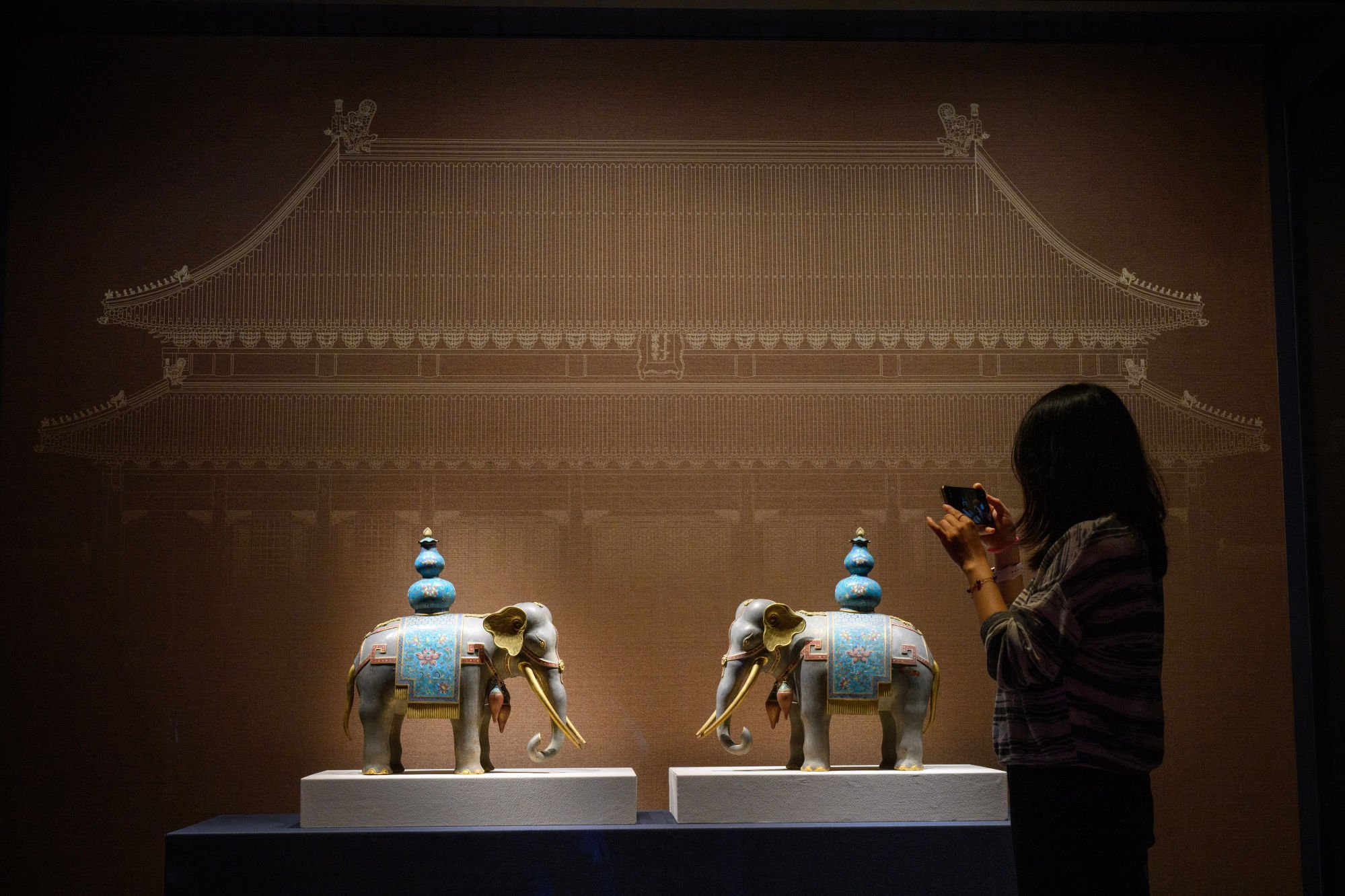
The movement is also fuelling a boom in China’s museum economy and heritage tourism.
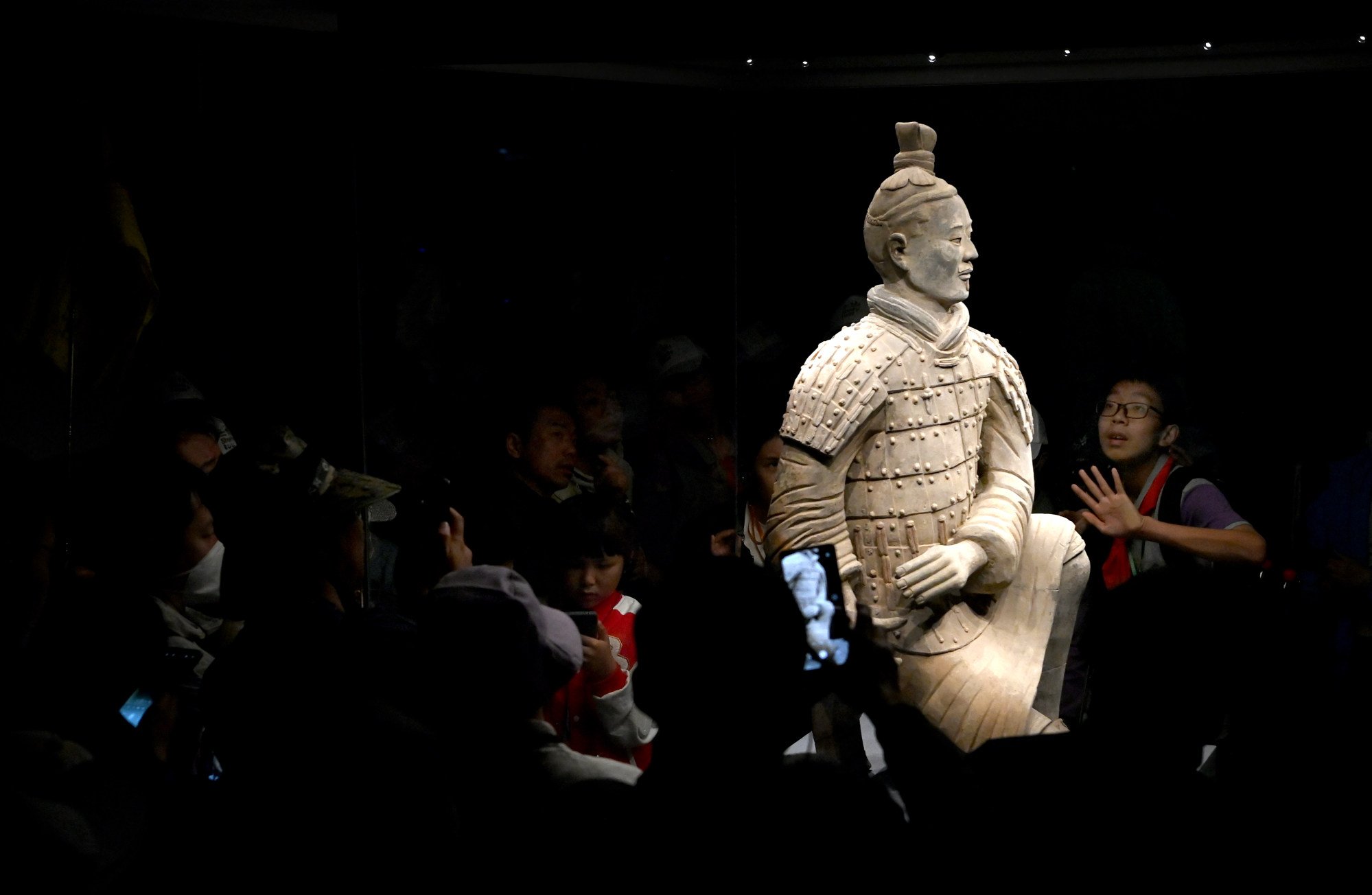
Some museums have created exclusive pilgrimage routes for history fangirls, while cultural heritage sites have set up dedicated spaces to cater to the growing crowds.
However, the trend does carry risks.
Some online videos reveal that offerings left by visitors, such as fruit and flowers, have rotted and attracted pests due to a lack of cleaning, while banners and wrappers are blown away, creating environmental pollution.
A popular online comment also raised another concern: “The privatisation of history is reshaping how younger generations engage with and understand it. But some younger fangirls are distorting historical facts and idealising figures to fit their imaginations.”
“It is essential to remember that historians’ research is rigorous and scientific, and their work must not be undermined by sentimentalised narratives.” -- SOUTH CHINA MORNING POST