
A move to curb US President Donald Trump’s power to sell advanced AI chips to China moved a step closer on Wednesday when a Republican-led congressional panel joined hands with their Democratic counterparts, brushing aside objections from the White House and chip giant Nvidia.
The action has put Representative Brian Mast, the Republican chair of the House Foreign Affairs Committee, on a collision course with Trump’s top AI adviser David Sacks and drawn sharp criticism from Maga-aligned supporters.
Some House Republicans have broken ranks to back the measure, raising alarms that Trump could approve sales of even more advanced chips to Chinese President Xi Jinping when the two leaders meet in April.
The bipartisan push marks a rare instance in Trump’s current term of Republicans breaking ranks to check the president’s power.
The AI Overwatch Act would give the House Foreign Affairs Committee and the Senate Banking Committee 30 days to review and potentially block licenses for exports to China and other US adversaries.
It would also impose a temporary export ban until the US Commerce Department provides Congress with a national security plan for these sales.
The bill now heads to the House floor. If it passes the full House, it would have to clear the full Senate before it heads to the president’s desk, where Trump would likely veto it.
This is not the first bipartisan effort in recent weeks aimed at restricting chip exports to China.
Last month, a group of senators, led by Republican Pete Ricketts of Nebraska and Democrat Chris Coons of Delaware, introduced a bill – the Secure and Feasible Exports (SAFE) of Chips Act – that would require the Secretary of Commerce to deny export licenses for advanced chips to China for 30 months.
Also in December, Nvidia successfully convinced US lawmakers to leave out of must-pass defence legislation a proposal that would have required US chipmakers to prioritise domestic customers for their powerful AI chips before selling them to China.
Last summer, the president agreed to allow sales of Nvidia’s H20 chips to China in exchange for a 15 per cent cut of revenue. In December, Trump announced that he would also allow sales of the more powerful H200 chips in exchange for a 25 per cent cut, prompting the same concerns.
Mast on Wednesday said that if these chips were about video war games, then Nvidia’s Jensen Huang can “sell as many chips as he wants to anybody that he wants, and I should have absolutely no business having a say about whether he wants to do that”.
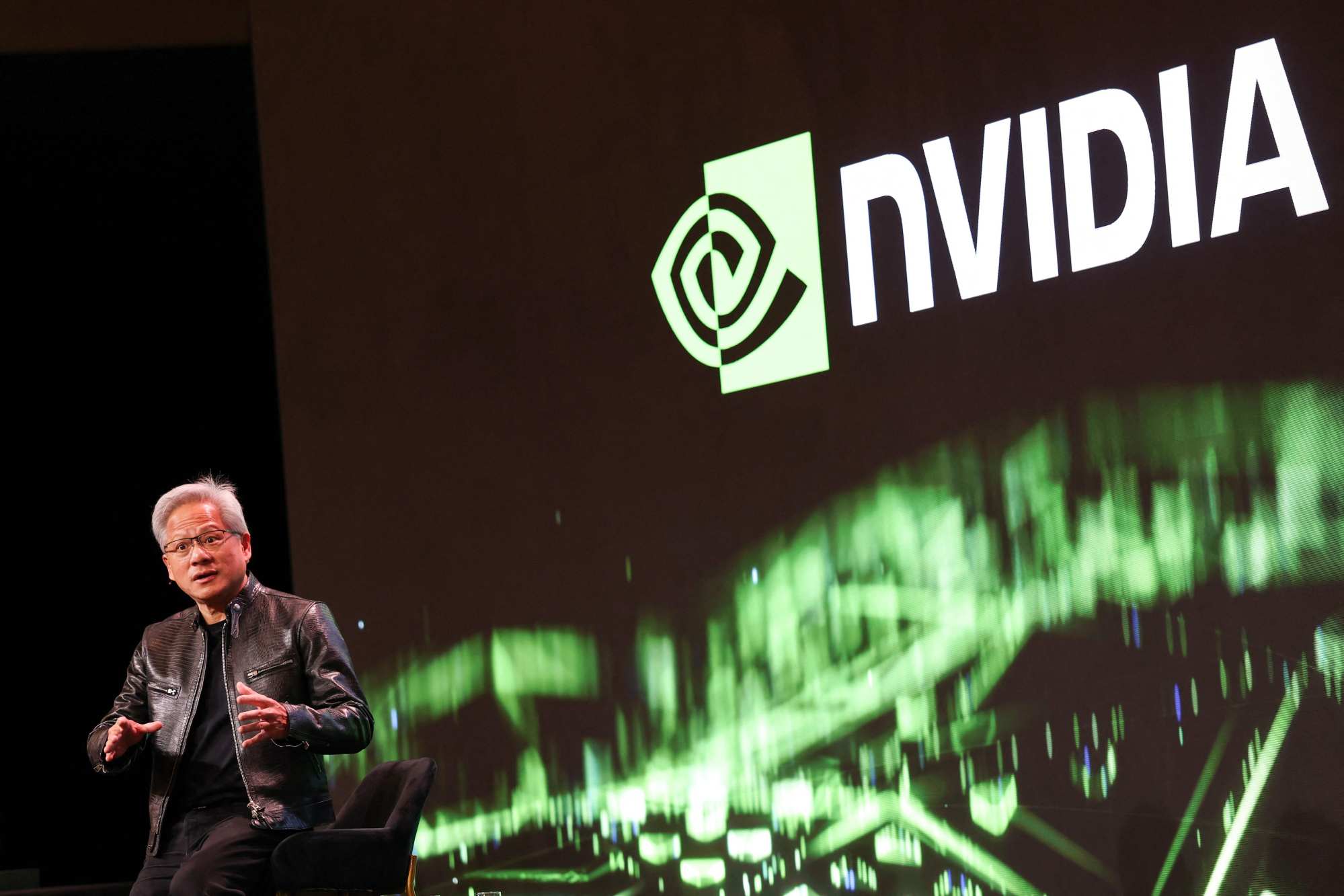
“But this is not about kids playing Halo on their television. This is about the future of military warfare. It is not video game warfare,” he added, noting that companies like Nvidia are requesting to sell “millions of advanced AI chips, which are the cutting edge of warfare, to Chinese military companies”.
Citing the example of DeepSeek, Mast warned that “even using America’s second best or third best chips” could be “good enough” for China to outcompete the US in the AI arms race.
Representative Michael McCaul, a Republican from Texas, chimed in, calling the H200 chips “the building blocks of AI superiority” and “integral to modern military applications”.
“The sale of two million of these advanced chips to China, in my judgment, is dangerous,” he added.
Representative Gregory Meeks, a Democrat from New York who co-sponsored the bill, lashed out at Trump for permitting the sale of advanced chips to China. He described the move as a “strategic mistake of the highest order”, hailing the bill for demanding that Congress act.
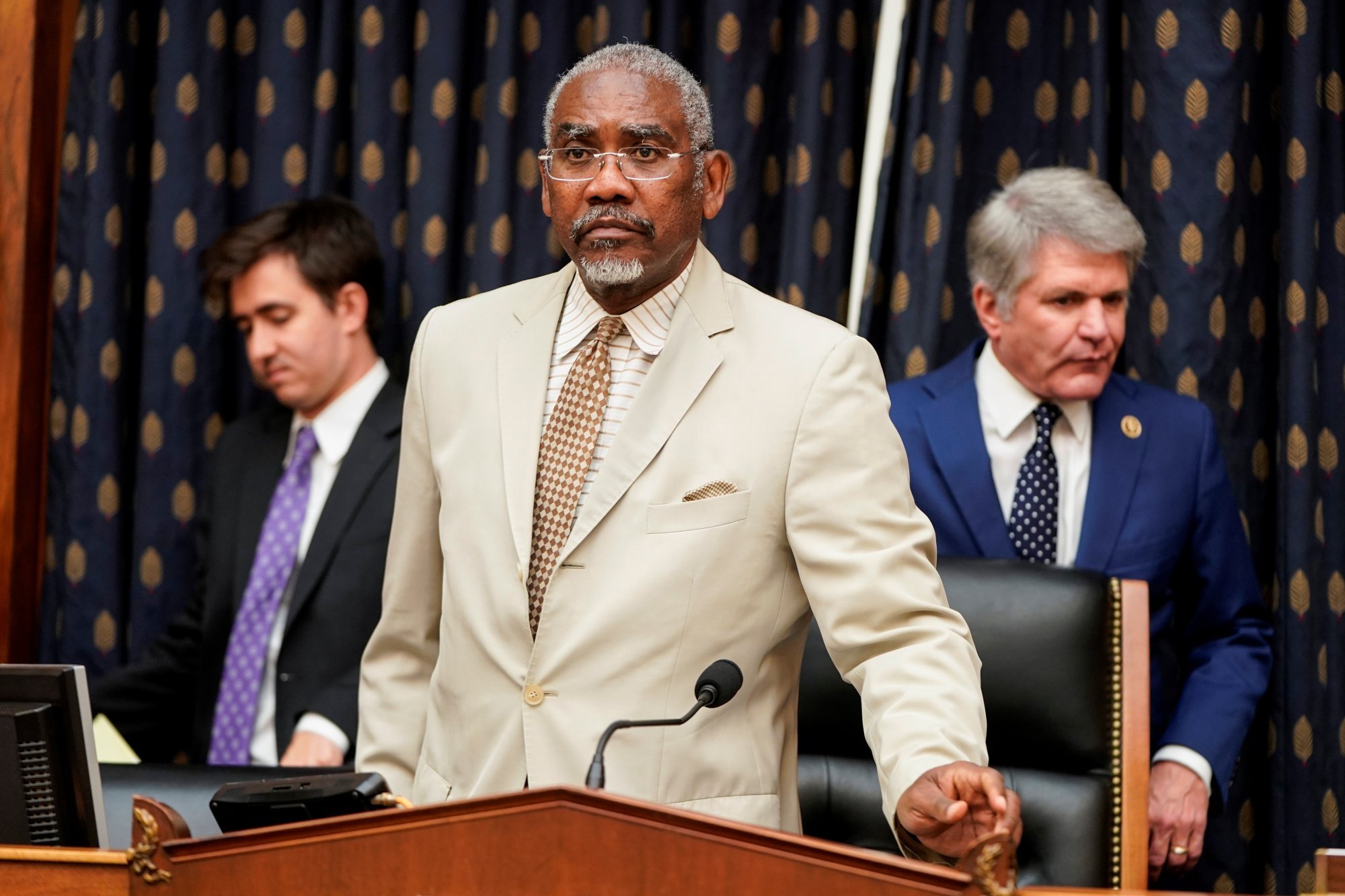
The Republican chair of the House Select Committee on the Communist Party also welcomed the bill’s advancement.
“The passage of this legislation out of committee is a critical step towards protecting America’s technological edge,” said John Moolenaar, a cosponsor of the legislation.
The bill has faced pushback from the White House and staunch Trump backers.
Last week, Sacks reposted a claim from the X account “Wall Street Mav” alleging the bill was driven by “Never Trumpers” and former Obama and Biden aides seeking to undermine Trump’s authority and his “America first” agenda.
The post also targeted Anthropic CEO Dario Amodei, alleging he hired former Biden staffers to lobby on the issue. Sacks responded: “Correct.”
Conservative activist Laura Loomer, among others, also tweeted criticism of the bill last week, calling it “pro-China sabotage disguised as oversight”.
“It yanks control of advanced AI chip exports away from President Trump, who is aggressively blocking CCP access to these chips, and instead hands veto power to Congress,” she wrote on X.
Mast pushed back on Loomer, suggesting this “isn’t a serious argument” and is instead “Nvidia’s lobbying talking points to sell chips to China”. -- SOUTH CHINA MORNING POST