




Hong Kong’s car trade has reacted with frustration to a sudden tightening of annual vehicle inspection rules, with leaders warning that owners of failed vehicles could face thousands of dollars in extra costs and significant delays.
The backlash on Tuesday follows what they described as a “rushed” roll-out by the Transport Department, with the measures announced just days before they went into effect on Monday.
The new rules impose much stricter requirements for private cars and light goods vehicles over six years old that fail mandatory annual inspections.
Any vehicle found with one of 13 major defects – such as a fractured chassis, fuel leaks or failed parking brakes – will now be classified as “dangerous”, resulting in the immediate suspension of its licence.
Under the previous arrangement, owners had 14 days to fix issues and pay a HK$180 (US$23) fee at one of 40 designated testing centres.
Vehicles deemed dangerous must be towed for repairs at the owner’s expense.
Owners are then required to pay the HK$585 fee for a mandatory re-examination at the government’s vehicle examination complex in Tsing Yi.
The Transport Department said it had reminded all testing centres to strictly monitor dangerous vehicles during a meeting on January 7, subsequently issuing a formal notice detailing the new measures last Friday.
Department data shows that 394,105 private cars underwent inspections at designated centres in 2024, with 1,498 – or 0.38 per cent of the total – classified as “dangerous”.
Chan Lik-hang, 47, who owns a Sai Kung car repair shop specialising in fixing vehicles and taking them for licence renewal tests, said the changes threaten the survival of older cars and could spark customer disputes.
“Car owners are unaware of the new rules. If a vehicle is deemed ‘dangerous’, they’ll blame us,” Chan said.
He said that between towing and back-and-forth repairs, car owners could end up paying an extra HK$3,000 to HK$5,000.
“If it’s classified as ‘dangerous’, they can just tell us and we can fix it, but even during inspections [by garages], things can be overlooked. If the licence is suspended immediately, it is incredibly inconvenient for the customer and puts immense pressure on us,” he said.
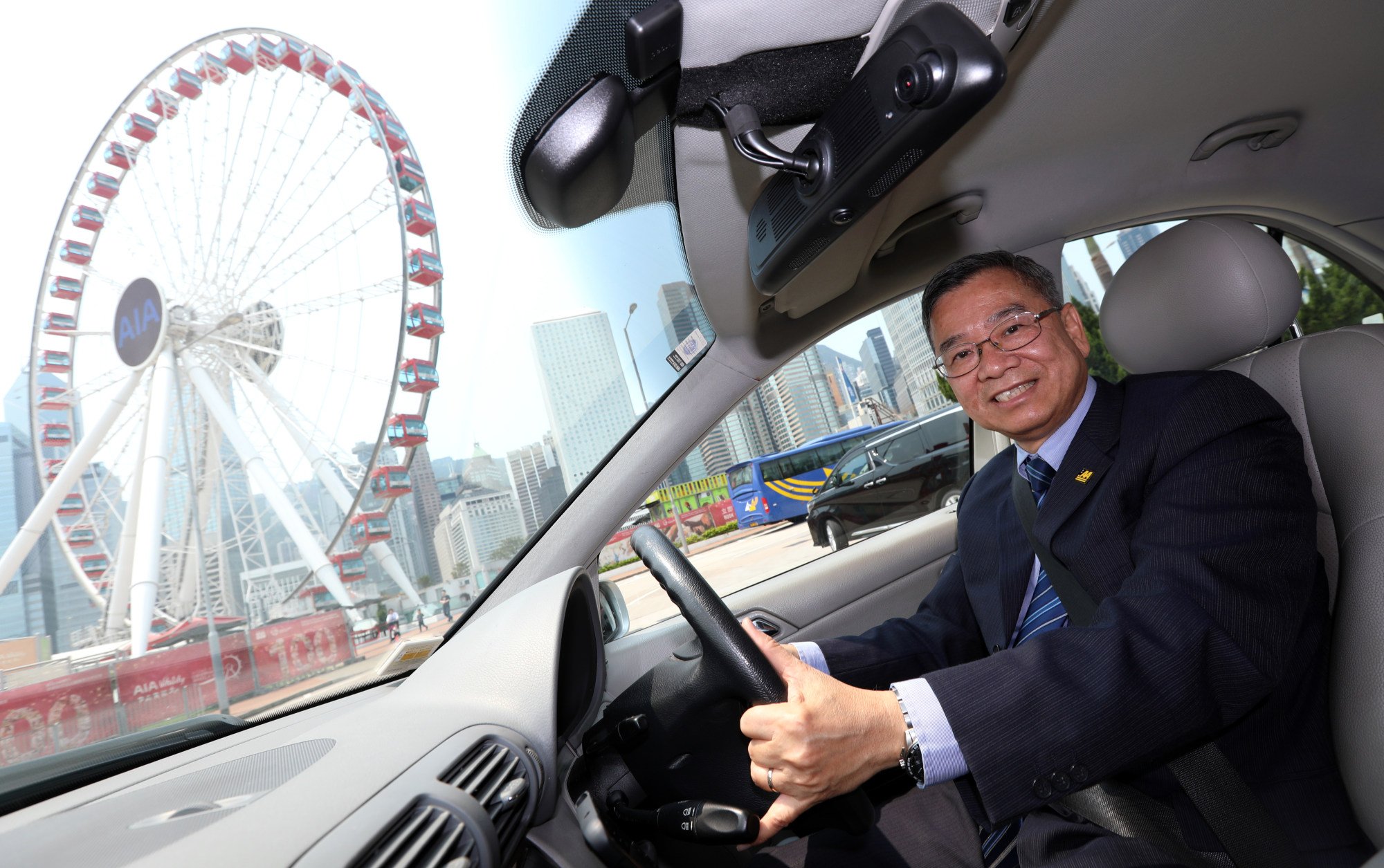
Ringo Lee Yiu-pui, honorary life president of the Hong Kong, China Automobile Association, said the tighter rules close safety loopholes but impose a heavy financial burden on owners, especially with the mandatory shift to the Tsing Yi complex.
“It creates more hassle for drivers, who must pay for towing and wait longer for re-examination slots,” Lee said.
He urged owners to use reliable garages for pre-checks to avoid mechanics missing issues that trigger a “dangerous” label.
Gary Zhang Xinyu, transport professions convenor for the New Prospect for Hong Kong political party, acknowledged the safety rationale but criticised the lack of transparency.
“Instead of a sudden mandate, the government should have held proper consultations and raised it with the Legislative Council’s transport panel,” he said.
Zhang called the mandatory shift to the government-run testing complex a “price hike,” breaking from the established practice of availing affordable reinspections at designated centres within the city.
A Transport Department spokesman defended the changes, noting that while centres had long issued repair notices for dangerous vehicles, the new rules ensure they are strictly barred from roads until fixed. -- SOUTH CHINA MORNING POST



