
A Japanese ramen restaurant has ignited controversy by slapping a ban on Chinese customers, accusing them of being troublemakers.
Iekei restaurant in the Western city of Osaka announced on social media on January 4 that it had banned all Chinese people.
It said a Chinese person had caused trouble in the restaurant, forcing it to call the police.
The post said 90 per cent of the trouble it has with foreigners involves Chinese customers.
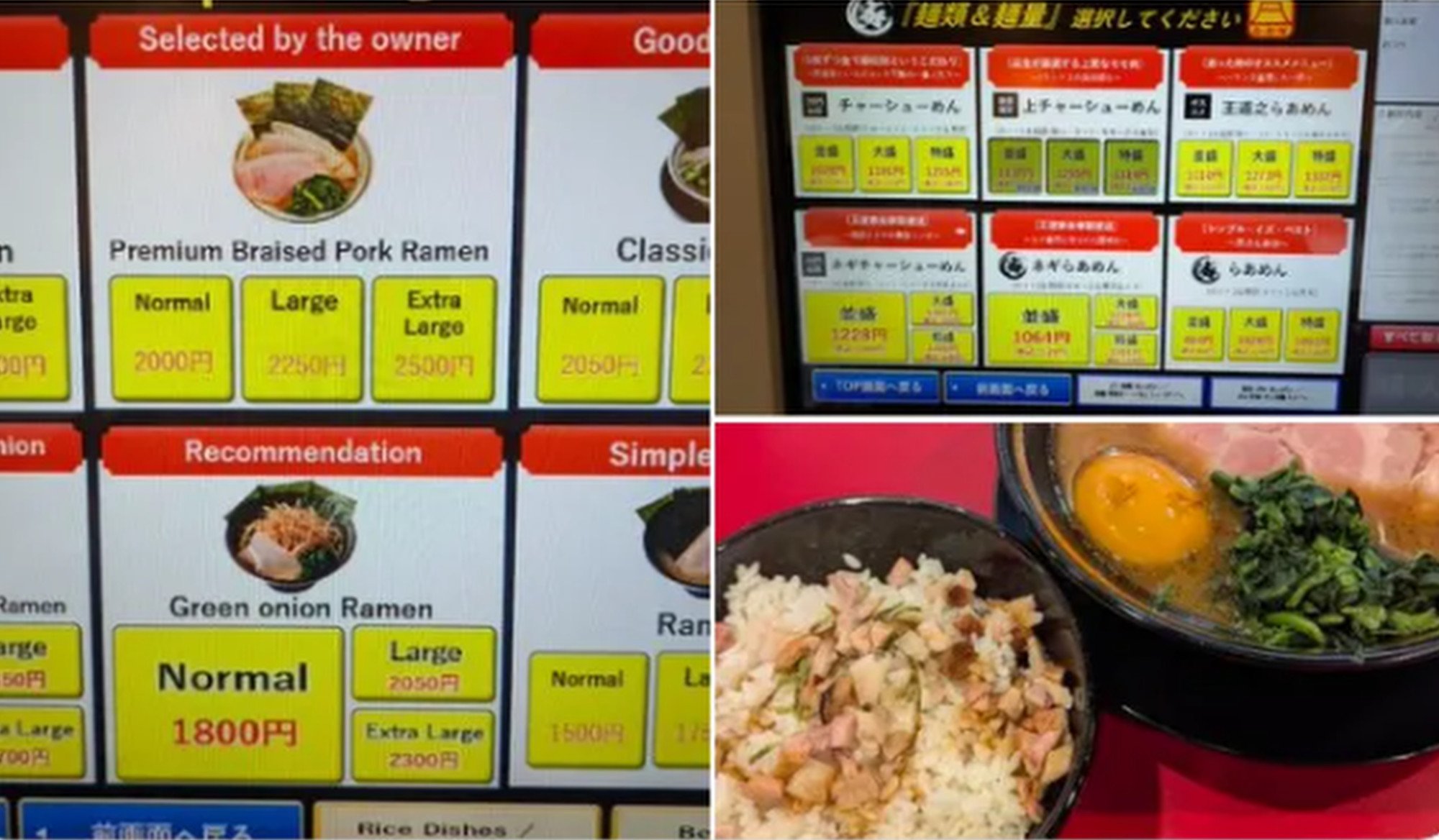
The move triggered controversy and accusations of racism. The post has so far attracted 33 million views and 1,800 comments.
Some people asked the restaurant to provide evidence to back up its “90 per cent” claim.
Others said it was unfair to tar a whole nation of people with the same brush as one individual.
Some said that the real reason for the “trouble” was actually the restaurant’s dual pricing policy.
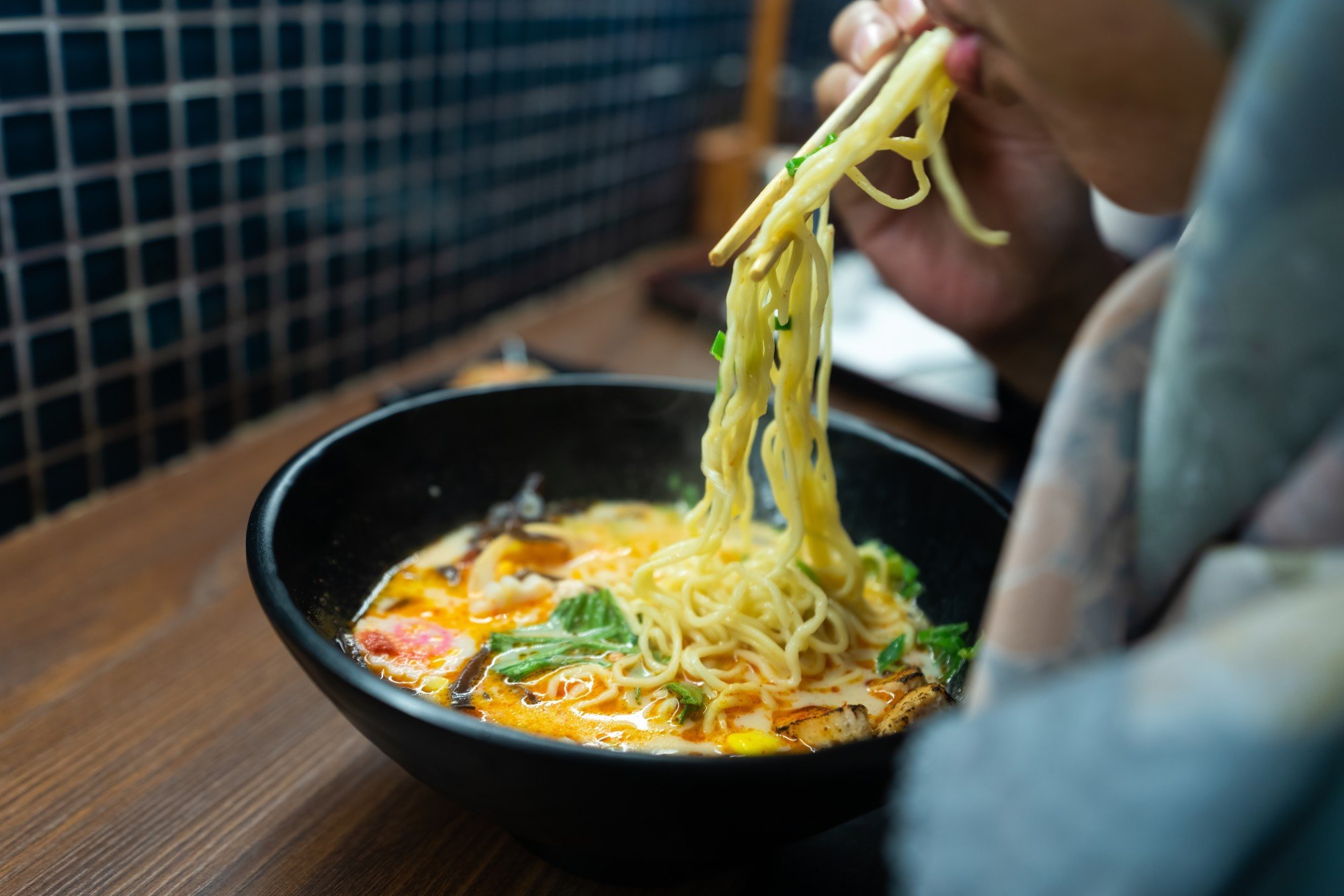
According to photographs of the outlet’s ordering machine posted by an online user, the price on English menus is almost twice that on the Japanese menu.
Some speculated that such a pricing policy might work for tourists from other countries, but not Chinese, who can read Japanese kanji, which is derived from Chinese characters.
They believed that the restaurant had wrongly interpreted complaints by Chinese customers about the unreasonable pricing policy as “making trouble”.
On January 7, the restaurant’s owner, surnamed Arai, responded to the controversy on a video platform.
He insisted that the dual pricing was not targeting foreigners, but “people who do not understand Japanese”.
“It is ridiculous to use language as an excuse for dual pricing because people can use translation apps,” one said.
“Dual pricing is a norm at tourist attractions, but rare in restaurants. If the price changes when you change the language setting, it is bound to cause trouble,” said another.
“Do you offer different products or extra services for those who pay more?” said a third.
Some people supported the owner, saying the locals deserve more benefits.
The restaurant also has a branch in Nara City. The owner did not say how the restaurant would implement the ban on Chinese people.
Previously, a buffet restaurant in Tokyo also sparked online backlash for charging non-Japanese speakers or tourists 1,100 yen (US$7) as an extra service fee.
The restaurant was accused of being “horrible, racist, discriminatory xenophobes”.
In July 2025, the Okinawa amusement park Junglia also made headlines for charging 1,870 yen (US$12) more for non residents.
Japanese lawyer Mansaku Kanda reportedly told the Japanese law website bengo4.com that private businesses are free to set their prices as long as the difference is reasonable and that their actions do not amount to “unreasonable discrimination”. -- SOUTH CHINA MORNING POST