
Foreign and mainland Chinese drug makers are fighting for a multibillion-dollar slice of the domestic weight-loss market by slashing prices by as much as 80 per cent, as China faces a worsening obesity crisis.
Competition in the sector, dominated by global pharmaceutical giants Novo Nordisk and Eli Lilly, intensified after both secured obesity-drug approvals in China in 2024. The landscape is set to shift further when the patent on Novo Nordisk’s semaglutide expires in March in China, opening the door for a wave of Chinese generics ready to challenge their dominance.
The price war began in late December after Novo Nordisk cut Wegovy prices by half in southwestern Chinese provinces including Yunnan and Sichuan, according to Chinese media.
“Defending market share takes precedence over margins,” said Cui Cui, head of healthcare research for Asia at US investment bank Jefferies. “Weight-loss drugs carry high gross margins, enabling manufacturers to absorb price reductions.”
Wegovy, a once-weekly injection using semaglutide, saw monthly treatment costs for its highest doses fall from around 1,900 yuan (US$272) at launch to under 1,000 yuan. Online platforms such as Taobao and JD.com also slashed prices. Taobao is a unit of Post owner Alibaba Group Holding’s Tmall unit.
A one-month supply of Eli Lilly’s Mounjaro 2.4-millilitre dose sells for about 500 yuan on JD.com, lower than the discounted prices seen on Taobao, representing about an 80 per cent drop from its initial launch price.
“Multinational corporations cut prices faster and deeper than our expectation to compete in this market,” said Zhang Jialin, Nomura’s head of China healthcare research. “Local peers should follow.”
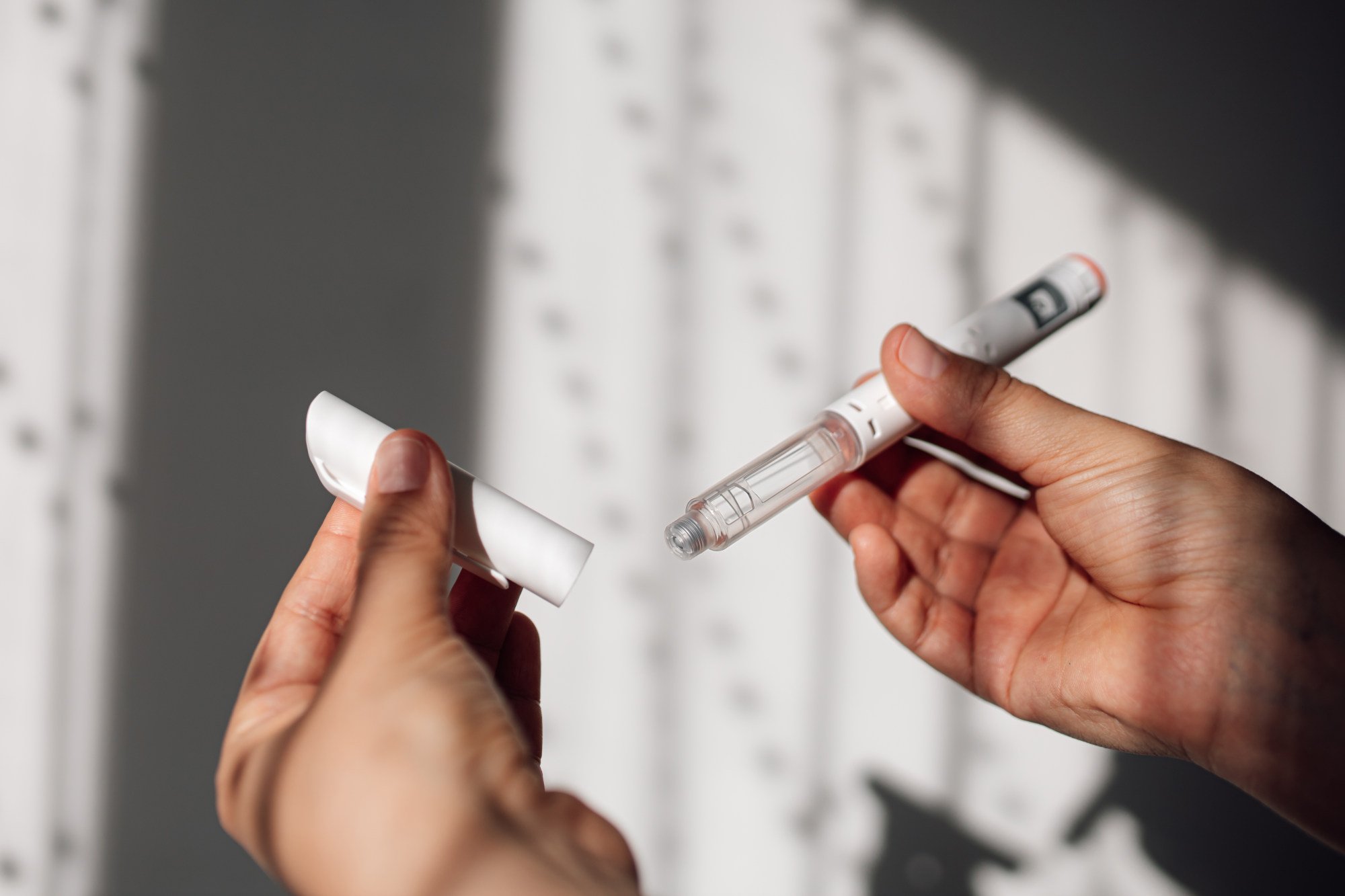
Yang Huang, head of China healthcare research at JPMorgan Chase, said smaller GLP-1 players in China might not withstand such competition and could exit the market sooner than expected.
The number of overweight or obese adults in China is expected to climb in the coming decades. A study published in The Lancet last year showed that more than 400 million adults met this threshold in 2021, and the total could reach about 630 million by 2050. Obese is defined as having a body mass index – weight divided by the square of height – of over 30. Treatment would cost 418 billion yuan, the study revealed.
Chinese drug makers are capitalising on the looming patent cliff and growing demand to churn out GLP-1 therapies. More than 60 GLP-1 drug candidates were undergoing late-stage clinical trials in China that could rival semaglutide and Mounjaro, according to a report by Boston-based L.E.K. Consulting.
Vying for a larger share of the market where GLP‑1 penetration remained low, Chinese novel drug developer Innovent Biologics slashed the price of its drug mazdutide by about 40 per cent in early January, according to Jefferies. Mazdutide, the first home-grown obesity drug that was approved in June last year, was priced 2,920 yuan per month for the highest dosage at launch.
“Chinese firms will have to price their drugs even lower, as they do not have the halo effect of large global studies to corroborate their efficacy,” said Tony Ren, head of Asia healthcare research at Macquarie Capital. “Obesity in China could ultimately become a consumer-focused, recreational and aesthetics play.”
Macquarie Capital estimated mazdutide could reach peak sales of 8.6 billion yuan in 2031, with 80 per cent of revenue coming from obesity treatment and the remainder from diabetes drugs.
Other contenders in late-stage clinical trials include CSPC Pharmaceutical Group’s once-weekly GLP-1 Fc fusion protein TG103, which is preparing for regulatory submission, and Jiangsu Hengrui Pharmaceuticals’ HRS9531, which completed Phase III trials and submitted a new drug application last year.
Huadong Medicine’s semaglutide injection and oral small molecule GLP-1 agonist for weight management indication have also completed Phase III trials.
To ease the blow from patent expiries, Novo Nordisk in March last year paid US$200 million to China’s United Laboratories for global rights, excluding Greater China, to a drug developed for obesity, type 2 diabetes and other metabolic diseases. -- SOUTH CHINA MORNING POST