




Washington’s further retreat from multilateral institutions has dealt “a heavy blow” to an already fractured global governance system, presenting both opportunities and challenges for Beijing, according to analysts.
Observers said US President Donald Trump’s decision to withdraw the US from 66 international organisations would have lasting consequences for American leadership around the world, accentuating power gaps in critical areas such as climate and security.
On Thursday, Chinese foreign ministry spokeswoman Mao Ning described Washington’s continued pullback from multilateralism as “no longer news” yet warned that it risked undermining the foundations of global governance centred on the United Nations.
Only a functioning multilateral system could prevent “the spread of the law of the jungle” and a return to “might makes right” and “force is justice”, Mao said.
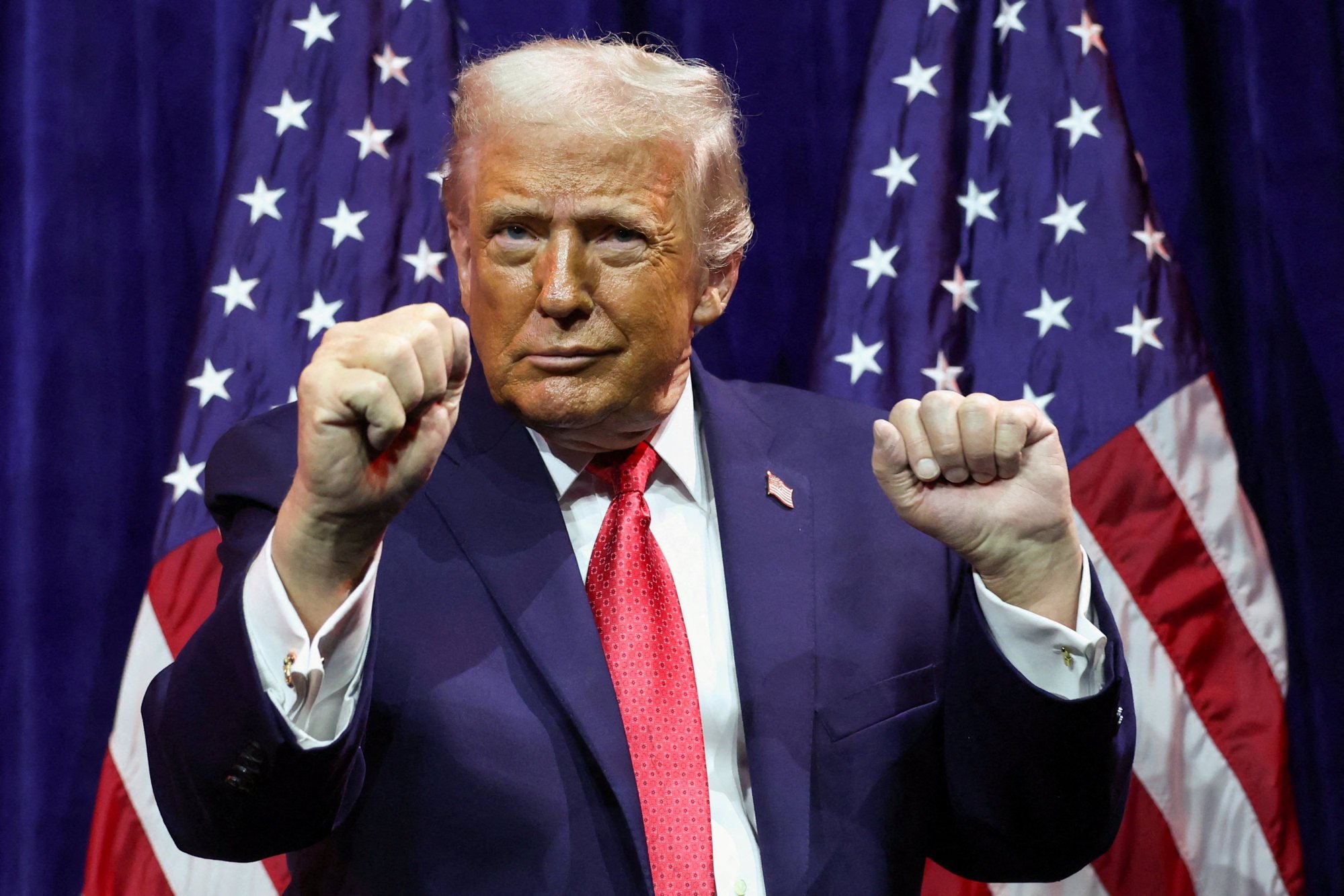
On Wednesday, Trump signed an executive order suspending American support for 66 organisations, agencies and commissions, including 31 UN agencies and 35 others unaffiliated with the world body “that operate contrary to US national interests, security, economic prosperity or sovereignty”, according to a White House statement.
Many of the targeted bodies focus on climate, labour, migration and other issues the Trump administration has accused of catering to diversity and “woke” initiatives.
Most notable among them is the United Nations Framework Convention on Climate Change – the parent treaty underpinning all major international climate agreements.
Washington’s exit from the UN climate framework, following its second withdrawal from the landmark Paris Agreement early last year, signalled a broader trend of US disengagement from multilateralism, according to Li Shuo, director of the Asia Society Policy Institute’s China Climate Hub.
Li called America’s retreat “a heavy blow to global climate action, fracturing hard-won consensus and posing the most severe challenge to international climate efforts since the adoption of the Paris Agreement”.
“For the world, President Trump’s decision raises a stark question: how can a global crisis be addressed without the participation of the world’s most influential power?”
Since his first presidential term, Trump has withdrawn the United States from multiple UN bodies, including the World Health Organization, and sharply cut foreign aid, including funding for numerous UN agencies, forcing them to scale back their field operations.
The unifying logic, according to Shen Dingli, a Shanghai-based scholar of international affairs, is Trump’s “America first” approach, which he said treated treaties and organisations as disposable tools.
“The United States has always been a blend of idealism and realism,” Shen said. “From a realist perspective, it uses international organisations when they are useful and discards them when they are not. This has nothing to do with ideology and everything to do with utility.”
But as Trump’s America continues to scale back its engagement in multilateral institutions, analysts are divided on whether Beijing is fully prepared to lead in areas traditionally dominated by the US, despite China’s rapidly growing influence.
Li said the US’ retreat posed both an opportunity and a challenge for China.
“For China, this presents a fascinating long-term task for Beijing’s leaders,” Li said. “For many years, they have been on the receiving end of US pressure to advance climate action. Now, if the world is to have any hope of timely global climate progress, Chinese leaders will need to be prepared to keep the United States engaged on climate issues despite Washington’s current retreat.
“In other words, China will need to step up, not only by putting its own domestic house in order, but by helping to motivate others as well.”
Zeng Jinghan, a professor of international relations at City University of Hong Kong, also said China could seize the opportunity to expand influence as the US shifted from “being the architect and enforcer of the post-1945 system to a major disrupter” of the international order.
Zeng attributed the bundled suspension of US participation and funding for multilateral bodies to Washington’s strategic and ideological shift under Trump.
“It reflects both a strategic recalibration and an ideologically driven rejection of liberal international norms, particularly on climate, labour, migration and human rights,” he said.
Zeng warned the retreat would inevitably cause lasting damage to America’s global standing.
“Even if this act of withdrawal is reversed, the strategic and reputational damage to US global leadership will last, altering how the world engages with America for quite a long time and likely decades,” he added.
Meanwhile, Beijing faced constraints, including a slowing economy, limited soft power and a lack of backing from major democracies, Zeng said.
“China also faces a credibility deficit,” he said. “In many ways, it has been viewed as behaving much like the United States, selectively engaging with international organisations by supporting those it can influence and rejecting those that rule against it.”
Shen was more pessimistic about the future of global institutions in the absence of American support and leadership, warning of a more fragmented and regionalised global governance landscape.
He anticipated countries would have to fend for themselves, “avoid challenging the United States and follow the US rather than international organisations”.
Shen suggested China might have to tread carefully in pushing for greater clout in global institutions to avoid overextending itself.
“China has neither the capability nor the need to fill the vacuum, nor should it aspire to do so,” he said. Shen advocated a return to former leader Deng Xiaoping’s traditional strategy of “keeping a low profile and biding one’s time”. -- SOUTH CHINA MORNING POST


