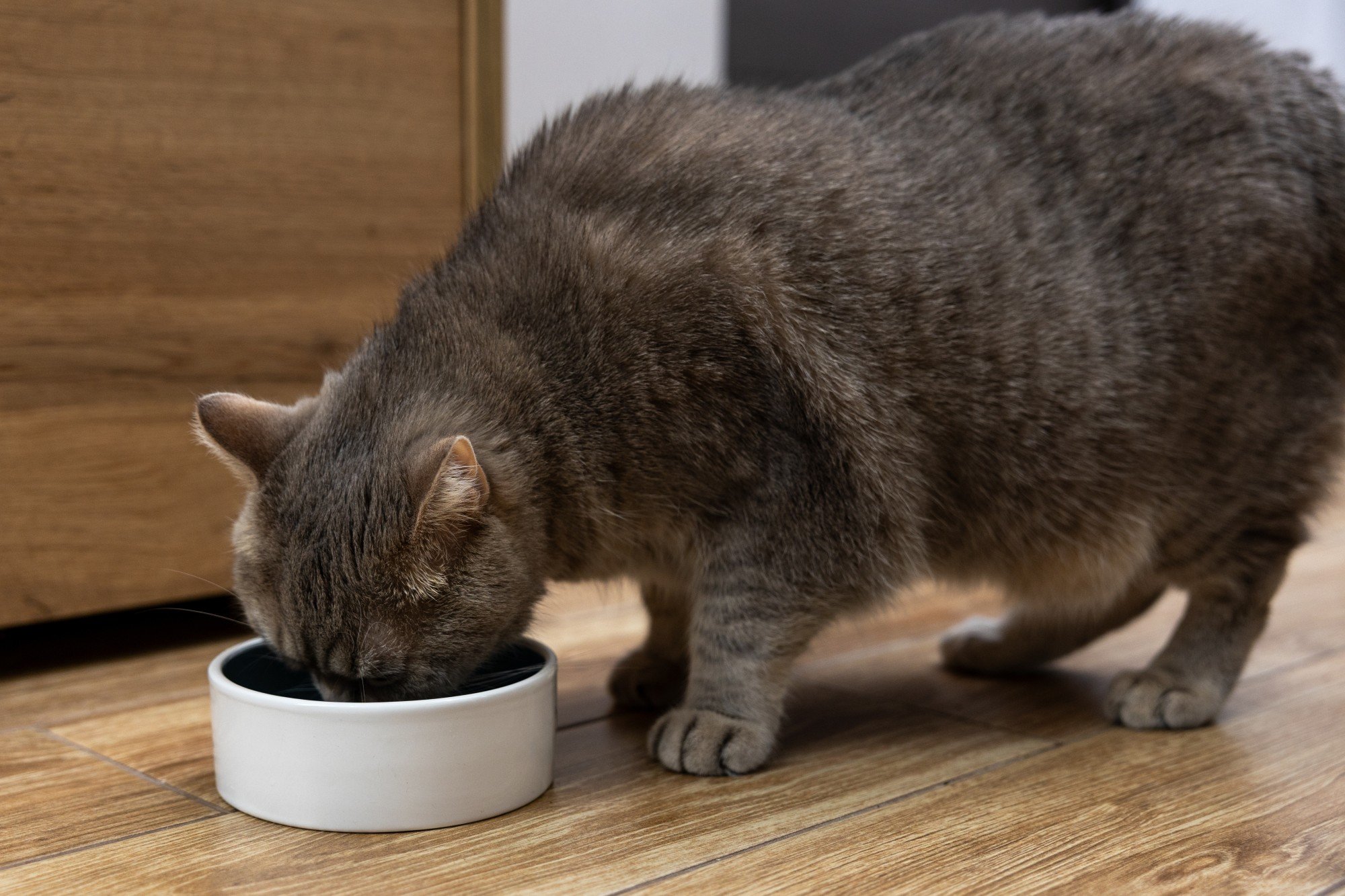
Irina Zhou’s five-year-old cat has gained about a kilogram every year for the past three years. She knows the extra weight puts her pet at risk of obesity-related diseases and could even shorten his life.
“My parents just can’t bear to see the cat go hungry,” the 29-year-old Zhou said. “If the weight starts to affect his health, I might consider trying weight-loss medicines for him.”
The idea of using obesity drugs for pets drew public attention after Fosun Pharma’s unit Yao Pharma signed a US$2.1 billion out-licensing deal with Pfizer on December 9 last year for an experimental oral obesity drug intended for both human and veterinary use.
Days later, a unit of Huadong Medicine received acceptance notices from Chinese regulators for veterinary drug registration applications targeting weight management in adult obese cats, signalling the treatment could soon enter the domestic market.
Both drugs from Yao Pharma and Huadong Medicine act on the glucagon-like peptide-1 (GLP‑1) pathway. GLP-1 is a natural hormone primarily produced in the gut after eating. Once released into the bloodstream, it acts as the body’s “satiety signal”, travelling to the pancreas to stimulate insulin, to the brain to reduce appetite and to the stomach to slow digestion.
GLP-1 receptor agonist drugs are designed to mimic the hormone, which normally disappears from the bloodstream within minutes.
“Human-to-pet translation could become an increasingly important model for Chinese biotech, not only for GLP-1, but also for other highly competitive targets,” said Qin Jiawei, a principal at L.E.K. Consulting. “Licensing human-to-pet assets enables faster access to high-quality innovation, especially when the target is already well validated in humans.”
Qin added that from a global animal health perspective, “the companion animal market is experiencing structural growth driven by several long-term trends”. These include a “growing and ageing pet population, the increasing humanisation of pets, rising disposable incomes, greater penetration of pet insurance and wider acceptance of advanced therapeutics in veterinary medicine”.
The pet weight-loss drug market shows strong potential. While awareness of obesity-related risks among pet owners remained low, multiple international studies showed that about 40 to 50 per cent of adult dogs and cats over 1.8 years old worldwide were overweight or obese, conditions that could cause cardiovascular, metabolic and orthopaedic diseases and significantly impact both lifespan and quality of life, according to Qin.
In China, the total pet population reached 430 million in 2024, with nearly one-third of urban cats classified as obese, according to a report by the China Pet Industry Association.
China’s human weight-loss drug market targeting GLP-1 receptors has heated up in recent years, with both global and domestic pharmaceutical players racing to bring the next blockbuster therapy to the world’s second-largest pharmaceutical market, drawn by enormous demand and strong profit potential.
International players have set up footholds. Novo Nordisk’s Semaglutide, which launched in China in November last year, generated 196 million Danish kroner (US$30.94 million) in about two months, the company’s annual report showed. Eli Lilly’s Tirzepatide was added to China’s state-run health insurance scheme on January 1, according to the National Healthcare Security Administration.
More than 60 novel GLP-1 drug candidates were undergoing late-stage clinical trials in China that could rival Semaglutide and Tirzepatide, according to a report published by Boston-based L.E.K. Consulting. This comes as Semaglutide’s patent protection in China expires this year, opening the door for much cheaper generics to flood the market.
Chinese contenders include Jiangsu Hengrui’s oral HRS-7535 and Huadong Medicine’s HDM1002.
George Lin, executive vice-president of Hua Medicine, said powerful GLP-1 drugs were best reserved for patients who genuinely needed to lose substantial weight.
He warned that over-reliance on such drugs could eventually blunt their effectiveness. “If you push the system too hard for too long, your beta cells may burn out, and at that point GLP-1 will no longer work – you’ll end up needing insulin,” Lin said.
One of the main side effects is that it makes people feel full all the time. “You lose appetite, and it slows down your gut, you get constipated.”
Given these concerns, some pet owners are wary of possible side effects from weight-loss drugs for animals. After her cat was diagnosed as overweight, Olivia Le said she opted against medication and instead put her pet on “a high-protein, low-fat diet” to manage his weight.
“People generally find chubby cats cute, so unless a pet is seriously overweight, hardly anyone around me is managing their cat’s body shape by using weight loss drugs,” said Zhang Yiting, owner of a two-year-old Silver British Shorthair. -- SOUTH CHINA MORNING POST