
Chanting villagers parade a giant effigy through rural alleys before setting it ablaze in a once-in-a-decade ceremony to ward off bad luck and appease their ancestors.
Residents of Kam Tin decked out their northern corner of the city with towering flower boards and a vast bamboo stage for the Taoist Jiao Festival, which dates back over 300 years.
The five-storey-tall, 3,900sq m stage won a Guinness World Record for being the biggest temporary bamboo structure and carries deeper resonance after a deadly fire devastated the city in November.
“I found it truly awe-inspiring,” said an onlooker surnamed Lee, 30. “It’s remarkably well-built and rich in traditional elements.”
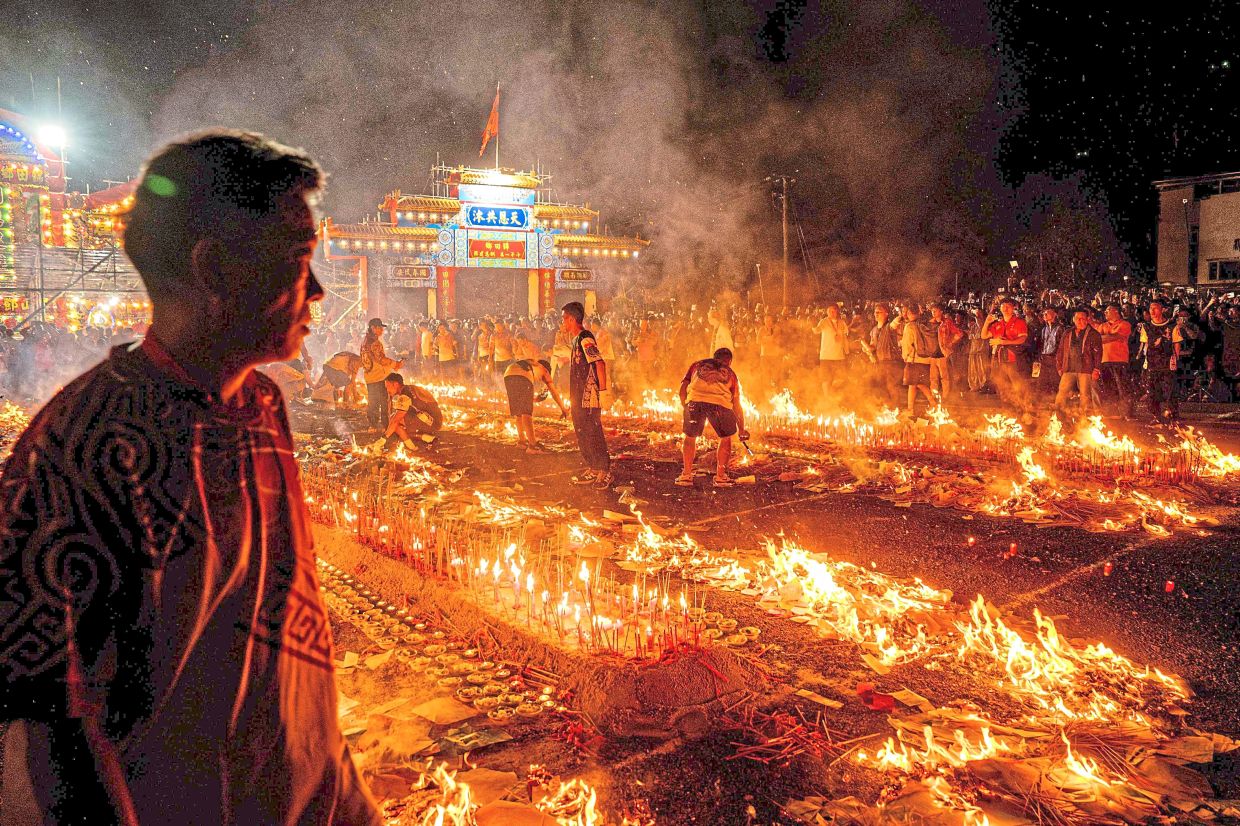
The burning of a 5m paper “ghost master” marked the climax of the festival, which was attended by thousands.
The ritual was allegedly begun by the Tang clan in 1685 to honour local officials who helped them reclaim their coastal homes after government evictions.
The multi-day festival is one of Hong Kong’s longest-running traditional events and features lion and dragon dances, Cantonese opera and puppet shows.
Dazzlingly illuminated boards around the village proclaim hopes for good weather and abundant harvests.
The event took over a year to plan and cost nearly HK$20mil, organiser Derek Tang said.
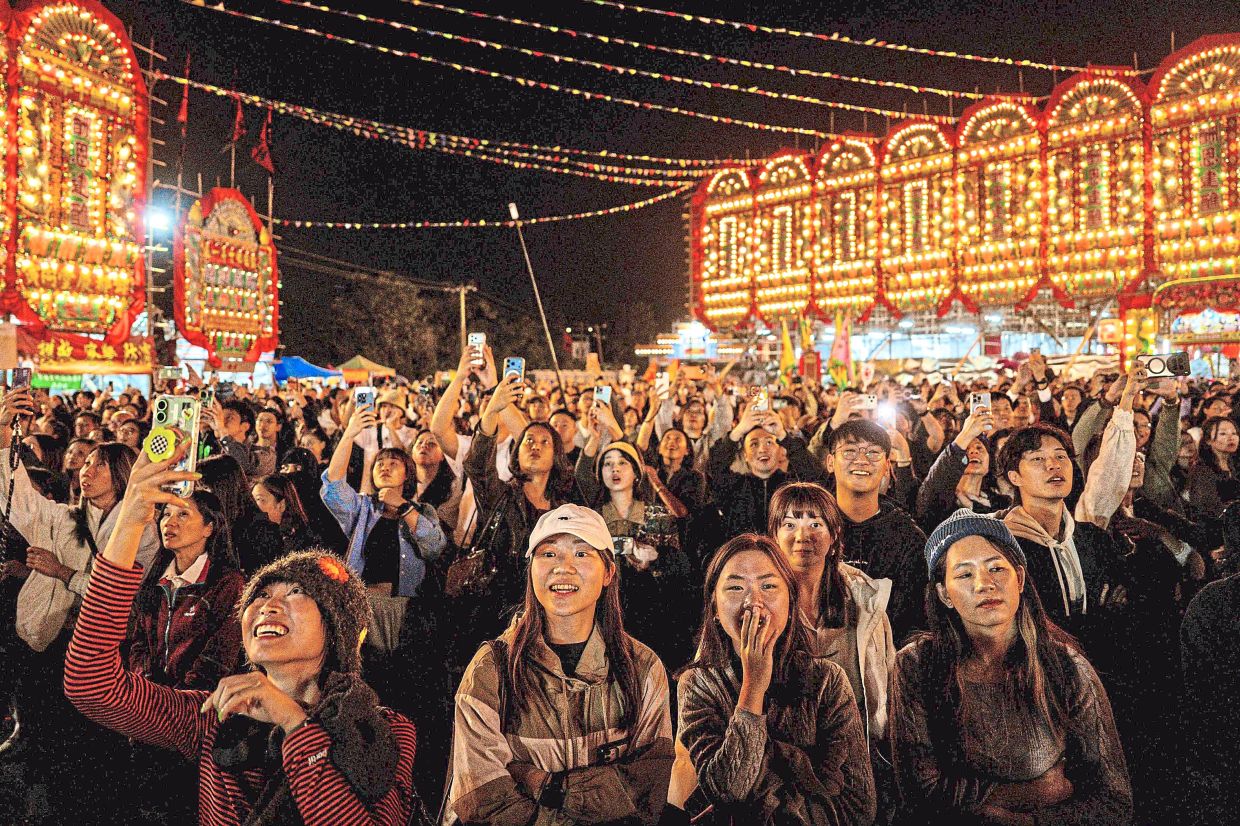
Locals come every 10 years to make offerings at the altar and enjoy historical crafts like bamboo construction, he said.
Hong Kong’s usage of bamboo construction materials has been in the spotlight since a huge fire killed at least 161 people in Tai Po district in November.
Authorities said the blaze at the under-repair housing estate was likely made worse by protective netting that failed fire-resistance standards.
The netting was hung from bamboo scaffolding encasing several tower blocks.
Officials initially indicated they would consider replacing bamboo with metal scaffolding but later said a complete phase-out may not be necessary.
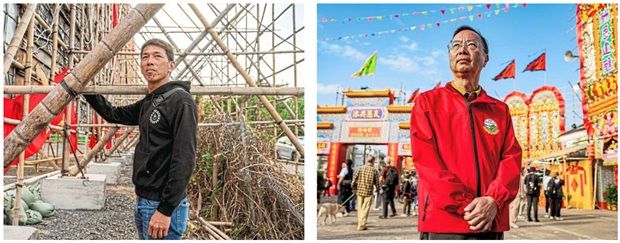
Scaffolder Lai Chi-ming, 52, said the disappearance of the centuries-old craft would be a “great loss” for the city.
With over a dozen master craftsmen, he spent two months building the altar in Kam Tin, which used about 30,000 bamboo and fir poles.
Tang said such events also face challenges from declining numbers of young people and waning interest in traditional culture.
“We must not abandon our traditional Chinese culture because of (urban) development.” — AFP