
BENGALURU, (India): While taxiing out of the runway at Mumbai after they had landed from Abu Dhabi, the pilot heard the instruction to turn right, but his hand began to turn the aircraft left.
“What are we doing?” shouted the co-pilot, and they quickly turned the plane the right way.
No harm was done that day. The quick reflexes and teamwork of the pilots averted an accident, but both would never forget how sleepiness after three consecutive nights of flying can trigger the most unexpected errors.
“I thought I was properly rested, but actually I was totally lost,” said the pilot, who spoke to ST on the condition of anonymity.
The thirty-something pilot said the incident made him realise that rest, weekly days off, caps on the number of night landings and strict duty times were “not just soft perks but survival rules”. He has since quit the airline to find better work-life balance as a corporate pilot.
Despite how crucial a pilot’s rest is, airlines in India have been pushing for years to lower the amount of time allocated to rest periods, say aviation experts.
But after India’s biggest airline, IndiGo, was forced to abruptly cancel thousands of flights in a crisis that emerged from its failing to meet new safety rules, the importance of the new norms might have finally hit home.
The operational breakdown in IndiGo that left 580,000 passengers stranded for days exposed the critical tension in India’s growing aviation sector between business interests and passenger safety, and the need for stronger regulation.
In January 2024, India’s aviation regulator, the Director General of Civil Aviation (DGCA), issued updated pilot safety rules to be implemented by Nov 1, 2025.
The new Flight Duty Time Limitations (FDTL) increased weekly rest hours, stipulating, for instance, that pilots must receive at least 48 consecutive hours off within any 7-day period, and ensuring two local nights are included. Local nights mean an 8-hour continuous sleep period that falls between 10 pm and 8 am local time.
They redefined “red eye” or night timings as midnight to 6am instead of 5am, and limited consecutive night duties from six to two to reduce pilot fatigue.
After initial resistance, all airlines but IndiGo implemented these rules. The ensuing chaos from IndiGo’s failure to do so put a spotlight on the need to enforce them strictly to improve pilot and passenger safety as well as smooth operations in the rapidly expanding Indian aviation sector.
There might be some hitches, however, as experts believe that IndiGo, which controls 65 per cent of the aviation market, might push back against the rules.
Hiring more pilots, required for compliance, might also not be easy as some are reluctant to join the airline due to its reputation for taxing work conditions.
Role of the regulator
Following the debacle with flight disruptions in December 2025, the DGCA gave IndiGo an exemption from applying the new safety norms until February 2026 while it gets the crisis under control. Flight safety experts and pilots, however, said making critical safety norms thus negotiable set a bad precedent.
“The rules were meant to enhance pilot 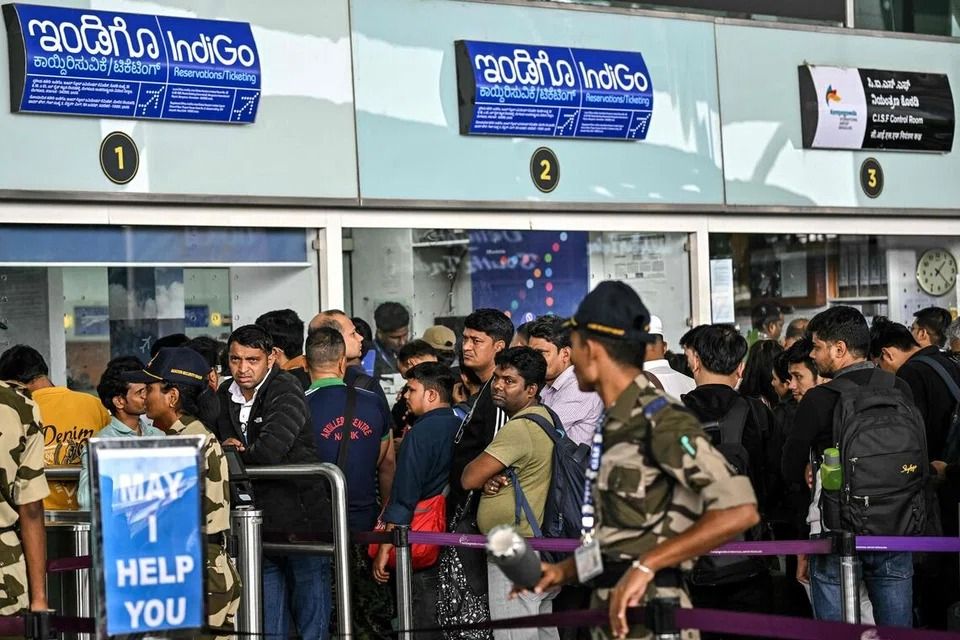
The latest safety rules define “night” as midnight to 6am, but the DGCA has allowed IndiGo to roll it back to from midnight to 5am to give the airline more usable pilot duty hours during early mornings, when it operates many flights.
“If something goes wrong during flight, will the regulator give exemption to pilots? They won’t care that he was fatigued and made mistakes because of the extension of his work hours,” Captain Rao added.
ST asked the DGCA about the issues raised by Captain Rao but the regulator did not respond.
Europe and UK have night curfews between 10pm and 6am to reduce aircraft noise pollution for locals, and balance sleep needs with airport operations. With no such restriction in India, the frequency of departures and landings are greater.
IndiGo operates more than 2,000 flights a day, compared with Air India, which runs 600 domestic and long-haul international flights, and low-cost carrier Air India Express, which has 500 daily flights. Spicejet and Akasa Air operate around 220 and 150 daily flights, respectively.
“Pilots in India tend to have more stress and fatigue, as they fly back-to-back flights at night,” said Sanjay Lazar, chief executive officer of Avialaz Consultants, an aviation consultancy.
The new FDTL reduces a pilot’s night landings per week from six to two. The mandate of 48 hours rest for pilots is among the highest in the world, with the UK and US mandating 30 to 36 hours.
With this, “India is on par with global safety standards while also factoring in its unique scale and size,” said Lazar.
But airlines, which have had a history of pushing back on safety norms since 2009 and pressuring the regulator to give in, made it clear they were reluctant to implement the new rules.
“By March 2025, the entire industry said the changes would affect their operations. Throughout 2024, they operated under the older framework, while demanding more time to adjust rosters and expand pilot recruitment according to the new rules,” said Captain Rao.
A senior airline executive told ST that each airline would have “needed to hire 20 per cent more pilots for total compliance, and that much more salary payouts. Nothing wrong in asking for more time.”
In response, the DGCA put the new FDTL in abeyance. They became mandatory only after pilot associations went to court demanding their implementation.
Readying for new norms
After the court order, the DGCA set June 1 and Nov 1 as deadlines for a two-phase rollout of the FDTL. All airlines but IndiGo incorporated the rules.
Air India hired more pilots to comply with the new FDTL as well as to gear up for its ongoing fleet expansion, said industry sources. The company configured its crew rostering software according to the updated norms and was compliant at least a fortnight before the deadline.
SpiceJet, a much smaller budget carrier, managed compliance and avoided roster disruption by proactively “wet leasing” 15 of its 34 flights, which means it leased aircraft operated by foreign companies outside the Indian jurisdiction. Such flights would follow crew duty norms of their home countries, not the stricter Indian FDTL.
IndiGo was the only airline that did not implement changes to its rostering based on the new FDTL.
An IndiGo spokesperson declined to answer ST’s queries on why it did not implement the FDTL but said the disruptions to its operations were caused by “a multitude of unforeseen operational challenges including minor technology glitches, schedule changes linked to the winter season, adverse weather conditions, increased congestion in the aviation system and the implementation of updated crew rostering rules (FDTL)”.
The company has denied claims that it engineered the crisis.
On Dec 11, IndiGo chairman Vikram Singh Mehta acknowledged the airline failed to meet customer expectations.
More pilots, more safety
To comply with the new rules, airlines will have to employ more pilots. But as other airlines were hiring crew, pilot associations and aviation experts told ST that IndiGo stopped all recruitment in February 2025.
It was after a successful interview and medical test in January that First Officer Anil heard about the hiring freeze. The 45-year-old was looking forward to being employed with the biggest airline in India, but now feels lucky not to have been around for the December crisis.
He hoped the new FDTL would improve working conditions because IndiGo was one of the biggest aviation employers in India and “pilots have few other domestic options”.
Six major domestic airlines employ 13,989 pilots. Air India has 6,350 pilots, and its low-cost arm Air India Express 1,592. IndiGo has 5,085 pilots.
But potential new hires will have to be prepared for IndiGo’s reportedly gruelling requirements that the low-cost carrier refers to as a “high crew and aircraft utilisation model”.
“Each IndiGo pilot flies four sectors per day, not two or three like other airlines. Pushy flight schedules use every emergency clause as a way to extract more work, like extending the 10-hour flying time by 30 minutes, which is legally allowed only in rare situations,” said a former IndiGo pilot.
Three pilots noted that, unlike with other airlines, IndiGo pilot contracts have five-year bonds: “I cannot quit before it, and if I do, I have to pay 2.5 million rupees. This is in addition to a six months’ notice period.”
When asked about these accusations of stressful working conditions, IndiGo did not respond.
Long notice periods for pilots
Captain Amit Singh, founder of aviation think tank Safety Matters Foundation, said airlines in India have long lobbied for “looser safety norms but stricter service conditions for pilots, and the government has often given in.”
On airline operator requests, the DGCA in 2017 mandated that pilots who resign must serve a one-year notice period (six months for co-pilots) and get a No Objection Certificate (NOC) from the employer, “in public interest” to ensure stable operations and aviation continuity.
Pilot associations challenged this in courts, citing that it restricts mobility and is exploitative.
While the court cases have not been settled yet, most pilot contracts still have a six-month notice period, as per DGCA’s 2009 rules. This is still double the international standard of three-months’ notice period.
In 2025, Indian airline operators and the DGCA asked the International Civil Aviation Organization (ICAO) to mandate a code of conduct including the six-month notice and NOC after resignation. This was meant to block Indian pilots seeking jobs with foreign airlines, like the Emirates and Qatar Airways, which offer better pay and working conditions.
ICAO rejected India’s request, because most global airlines have a three-week to one-month mandatory notice period, and none mandate NOCs.
“Today, giving an exemption to IndiGo (on safety rules) instead of a penalty for a crisis of its own making, shows that the Indian regulator’s old habits die hard,” said Captain Singh.
During a contempt plea filed by a pilot body seeking proceedings against the regulator for granting relaxations to airline operators, the DGCA told the Delhi High Court that the “exemptions are not granted happily” and that it was working to ensure that IndiGo implements the norms before Feb 10.
DGCA terminated four flight operations inspectors after IndiGo’s major flight disruptions, as a committee probes the airline’s missteps in implementing new pilot rest rules.
The new safety rules are arguably the best India has had, but pilots and experts told ST they had concerns about the DGCA’s ability to enforce the rules.
They hoped that the ongoing crisis would serve as a wake-up call for the regulator and airline operators to keep an eye on fatigue and keep improving the safety of Indian aviation.
“Global aviation experts are shocked that rostering could cause such a paralysis in Indian aviation. If India has to maintain its credibility in the international aviation sector, and produce growth without sacrificing safety, we must see not committees and exemptions but real action and independent investigations,” said Lazar. - The Straits Times/ANN