



KUALA LUMPUR: In a moment of quiet pride for Malaysia, Kent Ng Kun Kwan, founder of the Kunkwan International Online Mandarin Training Centre, emerged as one of 10 global honourees at this year’s Junior Chamber International (JCI) World Congress held in Tunis, Tunisia, from Nov. 4 to 8.
As the only Malaysian among the 2025 recipients of the prestigious Ten Outstanding Young Persons of the World (TOYP) award, Ng was recognised in the category of Cross-Cultural Achievement.
This accolade celebrates young individuals worldwide who have made substantial contributions to public service, education, culture, innovation and social progress. Ng’s selection reflects not only personal effort but also a broader hope: that Malaysia’s multicultural heritage could again shine as a model of cultural diplomacy, education and peaceful coexistence.
Ng shares this year’s TOYP with only one other youth leader from ASEAN, Jose Gabriel Mejia, a Filipino conservation photographer and multimedia artist — fitting, as Malaysia held the grouping’s chairmanship in 2025 while the Philippines is set to take the gavel for 2026, with the remaining winners coming from all corners of the world.
A Modern Legacy Echoing Past Malaysian TOYP Honourees
This achievement is no coincidence. The last time Malaysia earned TOYP recognition in the cross-cultural or cultural category was in 2002, when internationally celebrated actress Tan Sri Michelle Yeoh received the award for Cultural Achievement.
Ng’s honour today evokes that legacy, signalling that Malaysia remains capable of producing figures whose influence transcends national boundaries.
In accepting his award, Ng said that being recognised alongside Yeoh “is a tremendous honour.” More importantly, he noted that the award affirmed what Malaysians have always known: that the country’s multicultural identity is not a burden but a global asset that highlights Malaysia’s successful social and multicultural development model.
He added that through Kunkwan, he hopes to continue building bridges across nations and communities, enabling young people to overcome prejudice, embrace diversity and work towards shared progress.
Building Bridges Through Language, Culture and Opportunity
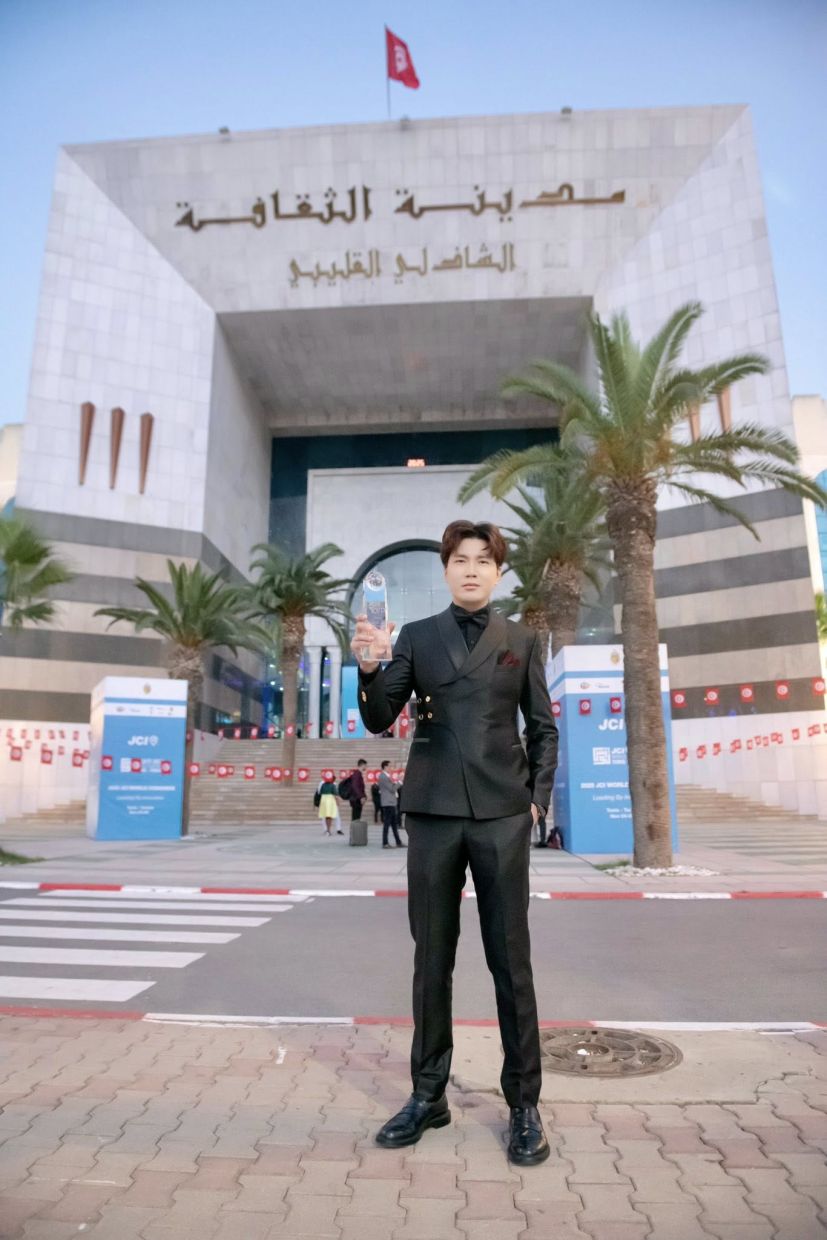
Its reach today spans over 450,000 learners from diverse social, cultural and national backgrounds across Southeast Asia and beyond, offering practical language skills while fostering deeper understanding of Chinese culture and values.
This effort has been widely recognised as one of the most significant private-sector contributions to cross-cultural literacy, social integration and youth empowerment in Malaysia. For many students, particularly those with limited access to traditional education or those living in underserved communities, Kunkwan became a gateway to understanding and an opportunity to connect with a broader world.
Ng’s vision and leadership, through his school, show how cultural education can become a pillar of soft power. In an era where rigid nationalism and cultural isolation often threaten global harmony, his work points in a different direction: one of openness, exchange and shared humanity.
Soft Power Through Quiet Influence
The international attention drawn to Ng’s work extends beyond the award. Educational institutions, cultural organisations and media across Asia have invited him to represent Malaysia in intercultural forums, global youth dialogues and policy roundtables. The Malaysian flag flying behind him at the award ceremony did not only mark a personal achievement; it stood for the visibility of Malaysia’s soft power on an increasingly fragmented global stage.
Observers have argued that, by winning in the cross-cultural category, Malaysia reminded the world that it still retains a unique capacity for multicultural coexistence, multilingualism and intercultural understanding, qualities that many societies increasingly struggle to preserve.
To some, Ng’s recognition signals a fresh chapter — one in which Malaysia’s cultural diplomacy, youth education and private-sector social investment take centre stage.
More Than a Personal Story
Ng’s success carries broader significance beyond personal fame. It underscores the value of multicultural governance, youth internationalisation and cultural diplomacy. In a region grappling with identity politics and rising social fragmentation, his story becomes a gentle but powerful counter-narrative that inclusion, cross-cultural education and youth empowerment are not only morally right, but essential for long-term social cohesion and regional relevance.
It also invites reflection on how many hidden talents across Malaysia’s diverse communities may never get such recognition. Ng’s rise suggests that, when private initiative intersects with public purpose, the results can ripple far beyond classrooms or national borders.
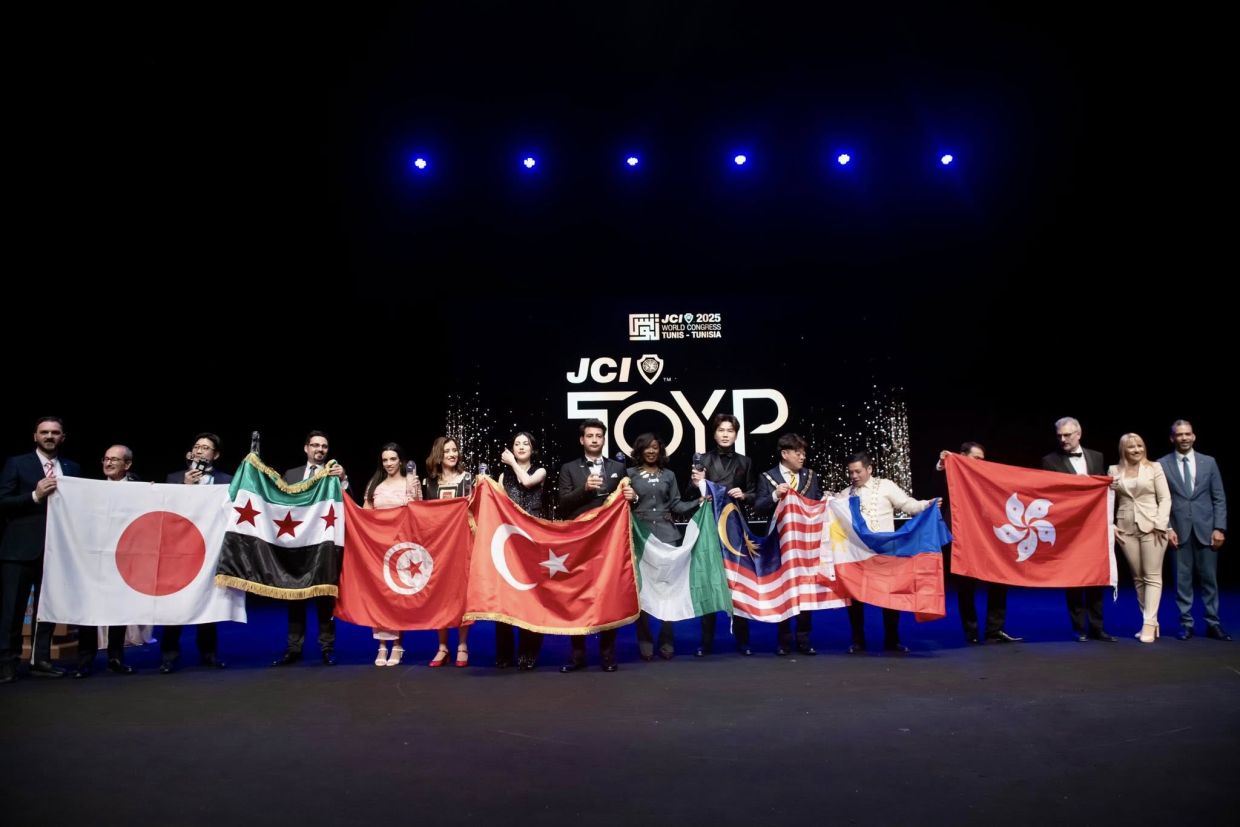
In an age where global platforms increasingly value soft power, cultural fluency and cross-border empathy, Malaysia’s renewed presence within this sphere validates its social model and cultural heritage. It shows that the country can nurture leaders capable of speaking to global audiences and shaping conversations about culture, identity and cooperation.
A Hopeful Vision for Malaysia’s Youth
Kent Ng’s TOYP recognition is not merely a personal milestone. It is a hopeful signal for his students, for young Malaysians and for a country navigating the tensions of modern identity. It is proof that private commitment to education and cultural exchange can still shine through, even in a crowded world.
Kunkwan’s journey and Ng’s achievement remind us that the power of language, empathy and understanding should not be underestimated. In a world rife with division, those qualities may prove to be the real currency of global connection. Malaysia has shown it still knows the value of multicultural coexistence. Through people like Kent Ng, the country may yet share that value with the world.
