




A bipartisan commission focused on the rule of law and human rights in China is recommending that the US Congress scale up immersion programmes for Mandarin and other languages spoken on the mainland in American high schools and universities.
The recommendation, made as part of the Congressional-Executive Commission on China’s (CECC) annual report, comes as Washington has scaled back funding for cultural exchange programmes since the start of US President Donald Trump’s second administration.
It also comes as US lawmakers are pushing to restrict Chinese influence in US elementary and secondary schools by conditioning federal funds on cutting institutional ties with Chinese government-linked entities – including ones that provide Chinese language training – as well as on new transparency and disclosure requirements.
Improving American student access to Mandarin, Uygur and Tibetan languages will deepen linguistic and cultural expertise, enabling the US to better confront “malign” attempts by Beijing to increase its influence, the CECC said.
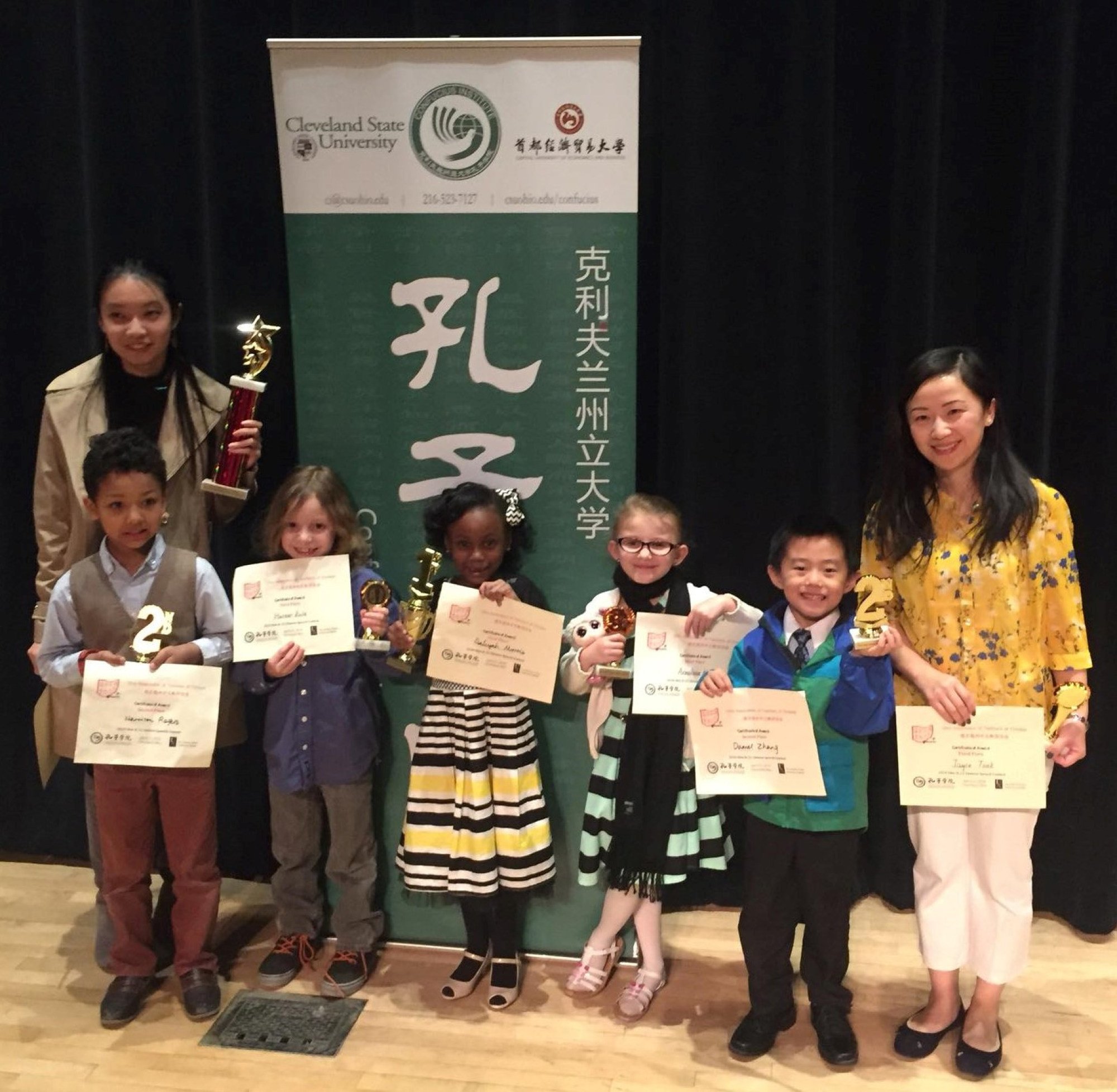
The commission, currently chaired by Republican lawmakers Dan Sullivan and Chris Smith, named the US-Taiwan Education Initiative, created in 2020 to expand Mandarin teaching in the US and opportunities to study in Taiwan, as a model for expanding access.
The CECC, established by the US Congress in 2000, typically comprises lawmakers from both parties and members of the executive branch. No executive-branch members have yet been appointed for the current two-year cycle, which began in January.
This is not the first time in recent years that the commission has recommended increasing Mandarin language access, but this year’s report goes further by explicitly calling for immersion programmes that enable deeper training, as well as resources for Tibetan and Uygur languages.
Many of the US’s Mandarin immersion programmes began during Barack Obama’s administration, when Mandarin was increasingly seen as a language of global business, bilateral cooperation was the norm, and federal grants for Chinese language learning were more abundant.
US-China tensions now cast doubt on business opportunities on the mainland, while a large share of Americans view China negatively.
American students – whose numbers in China have declined from over 11,000 in 2019 to about 1,700 in 2024 – are more wary of pursuing a China-focused career due to reduced research access in the country and perceived security risks of travelling there.
And Washington’s rhetoric about Beijing is forcing American schools to weigh tough questions about partnerships with the country, affecting their access to resources and teachers to support language programmes.
In that backdrop, the CECC is making the national security case for language learning, framing it as part of a community protection and capacity building effort “that can address the human rights implications of the CCP’s covert influence networks, uplift vulnerable populations, and reinforce the integrity of US political, academic, and civil society institutions”.
The CECC report, released on Wednesday, is typically a blistering condemnation of China’s human rights record. This year was no different.
Other recommendations highlighted to Congress and the Trump administration include securing the release of Americans unjustly detained in China and strengthening enforcement of the Uygur Forced Labour Prevention Act, which restricts imports of goods from China’s Xinjiang Uygur autonomous region.
Last week, the House of Representatives passed two bills restricting American schools’ engagement with Chinese entities.
The first measure would bar public elementary and secondary schools from accepting money from, or contracting with, the Chinese government, Communist Party or their affiliates, and would require disclosure of any foreign funding or agreements to the Education Department.
The second would require local school districts to tell parents of their right to review any curriculum or staff positions supported by foreign governments or entities of concern, including China, and to request written information on how such funding is used. -- SOUTH CHINA MORNING POST



