



South-East Asia is being pummelled by unusually severe floods this year, as late-arriving storms and relentless rains wreak havoc and caught many places off guard.
Deaths have topped 1,790 across Indonesia, Sri Lanka, Malaysia, Thailand and Vietnam, with more than 1,000 still missing in floods and landslides.
In Indonesia, entire villages remain cut off after bridges and roads were swept away.
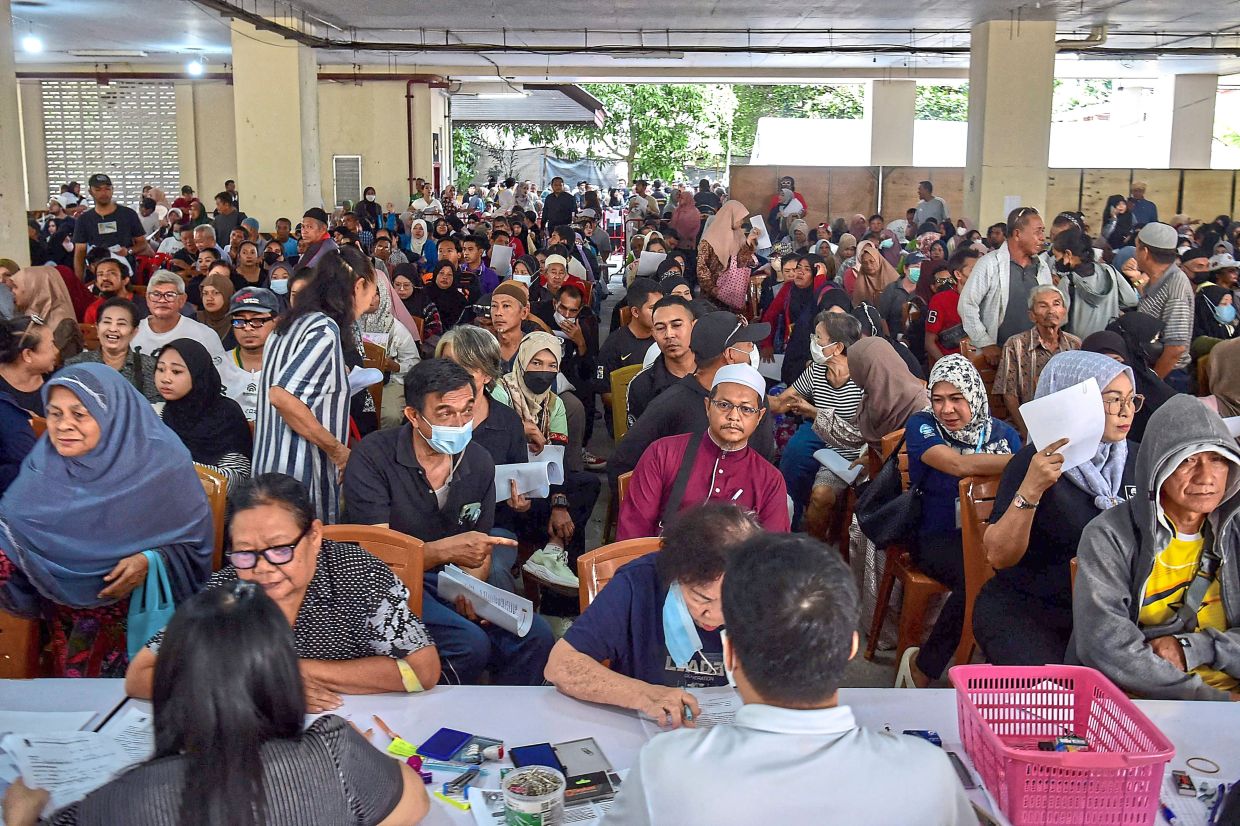
Thousands in Sri Lanka lack clean water, while Thailand’s prime minister acknowledged shortcomings in his government’s response.
Meanwhile, Vietnam and the Philippines have faced a year of punishing storms and floods that have left hundreds dead.
What feels unprecedented is exactly what climate scientists expect: A new normal of punishing storms, floods and devastation.
“South-East Asia should brace for a likely continuation and potential worsening of extreme weather in 2026 and for many years immediately following that,” said Jemilah Mahmood, who leads the think tank Sunway Centre for Planetary Health in Kuala Lumpur.
Climate patterns last year helped set the stage for 2025’s extreme weather.
Atmospheric levels of heat-trapping carbon dioxide jumped by the most on record in 2024.
That “turbocharged” the climate, the United Nation’s World Meteorological Organization says, resulting in more extreme weather.
Asia is bearing the brunt of such changes, warming nearly twice as fast as the global average.
Scientists agree that the intensity and frequency of extreme weather events are increasing.
Warmer ocean temperatures provide more energy for storms, making them stronger and wetter, while rising sea levels amplify storm surges, said Benjamin Horton, a professor of earth science at the City University of Hong Kong.
Storms are arriving later in the year, one after another, as climate change affects air and ocean currents, including systems like El Nino, which keeps ocean waters warmer for longer and extends the typhoon season.
With more moisture in the air and changes in wind patterns, storms can form quickly.
“While the total number of storms may not dramatically increase, their severity and unpredictability will,” Horton said.
The unpredictability, intensity and frequency of recent extreme weather events are overwhelming South-East Asian governments, said Aslam Perwaiz of the Bangkok-based intergovernmental Asian Disaster Preparedness Center.
He attributes that to a tendency to focus on responding to disasters rather than preparing for them.
“Future disasters will give us even less lead time to prepare,” Aslam warned.
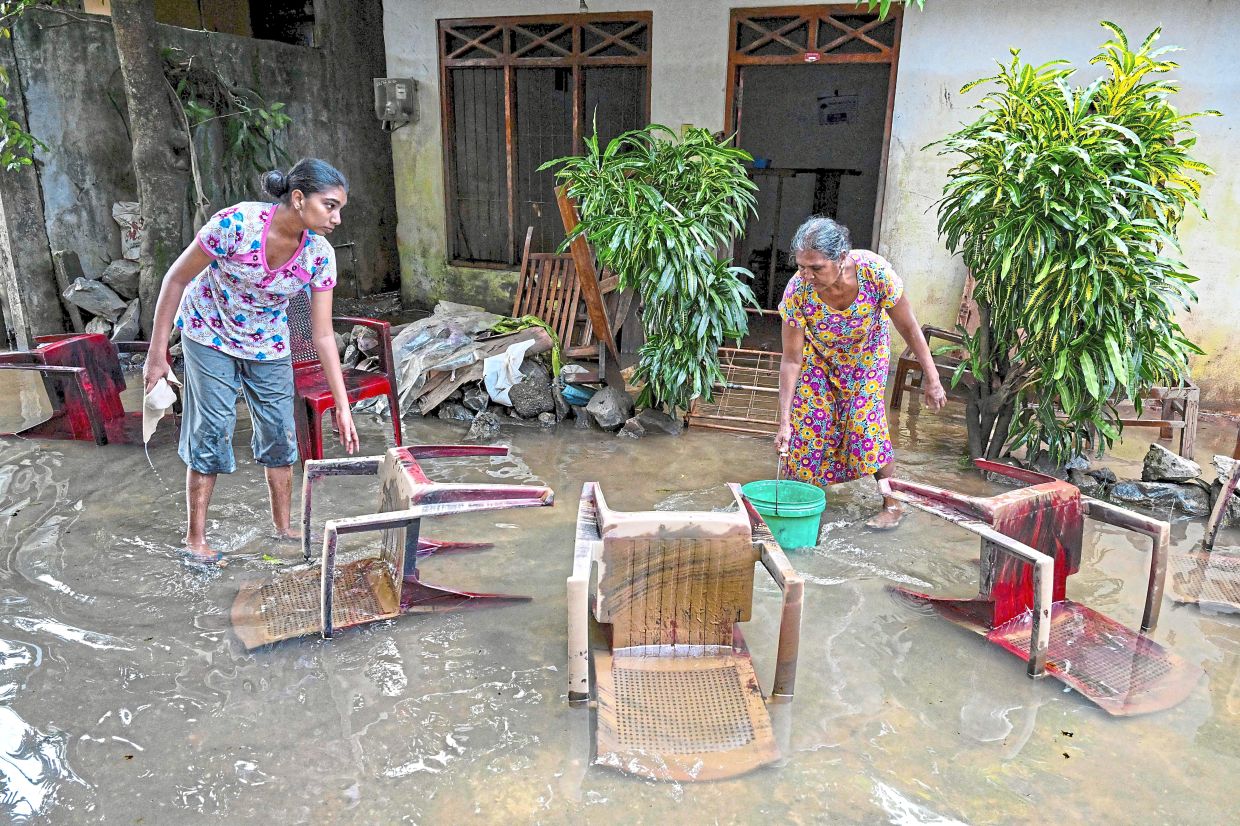
In Sri Lanka’s hardest-hit provinces, little has changed since the 2004 Indian Ocean tsunami that killed 230,000 people, said Sarala Emmanuel, a human-rights researcher in Batticaloa.
“When a disaster like this happens, the poor and marginalised communities are the worst affected,” Emmanuel said.
That includes poor tea plantation workers living in areas prone to landslides.
Unregulated development that damages local ecosystems has worsened flood damage, said Sandun Thudugala of the Colombo-based non-profit Law and Society Trust.
Sri Lanka needs to rethink how it builds and plans, he said, taking into account a future where extreme weather is the norm.
Videos of logs swept downstream in Indonesia suggested deforestation may have made the floods worse.
Since 2000, the flood-inundated Indonesian provinces of Aceh, North Sumatra and West Sumatra have lost 19,600sq km of forest, an area larger than the state of New Jersey, according to Global Forest Watch.
Officials rejected claims of illegal logging, saying the timber looked old and probably came from landholders.
Countries are losing billions of dollars a year because of climate change.
Vietnam estimates that it lost over US$3bil (RM12.3bil) in the first 11 months of this year because of floods, landslides and storms.
Thailand’s government data is fragmented, but its agriculture ministry estimates about US$47mil (RM193.1mil) in agricultural losses since August.
Indonesia doesn’t have data for losses for this year but its annual average losses from natural disasters are US$1.37bil (RM5.63bil), its finance ministry says.
Costs from disasters are an added burden for Sri Lanka, which contributes a tiny fraction of global carbon emissions but is at the frontline of climate impacts, while it spends most of its wealth to repay foreign loans, said Thudugala.
“There is also an urgent need for vulnerable countries like ours to get compensated for loss and damages we suffer because of global warming,” Thudugala said.
“My request is support to recover some of the losses we have suffered,” said Rohan Wickramarachchi, owner of a commercial building in the central Sri Lankan town of Peradeniya that was flooded to its second floor.
He and dozens of other families he knows must now start over.
Responding to increasingly desperate calls for help, at the COP30 global climate conference in Brazil, countries pledged to triple funding for climate adaptation and make US$1.3 trillion (RM5.34 trillion) in annual climate financing available by 2035.
That’s still woefully short of what developing nations requested, and it’s unclear if those funds will actually materialise.
South-East Asia is at a crossroads for climate action, said Thomas Houlie of the science and policy institute, Climate Analytics.
The region is expanding use of renewable energy but still reliant on fossil fuels.
“What we’re seeing in the region is dramatic and it’s unfortunately a stark reminder of the consequences of the climate crisis,” Houlie said. — AP
