



China said on Wednesday that it is working “with all parties” to prevent a military escalation in the Caribbean as the United States intensifies operations near Venezuela, the latest sign of Beijing’s growing diplomatic and symbolic support for President Nicolas Maduro.
Asked to comment on the Venezuelan crisis, Chinese foreign ministry spokesman Lin Jian told reporters that Beijing “opposes any action that violates the purposes and principles of the United Nations Charter or undermines the sovereignty and security of other countries”, reiterating previous remarks.
He said China was in contact with multiple governments “to safeguard the status of Latin America and the Caribbean as a zone of peace and to avoid a further escalation of the situation”, stressing that foreign interference in Venezuela’s internal affairs was unacceptable “under any pretext”.
His remarks followed days of warnings from Caracas over what it calls a “massive and unprecedented” US military presence in nearby waters.
Washington has deployed the aircraft carrier Gerald R. Ford and around 12,000 sailors and Marines to the region, describing the move as part of an anti-narcotics and maritime security campaign known as Operation Southern Spear.
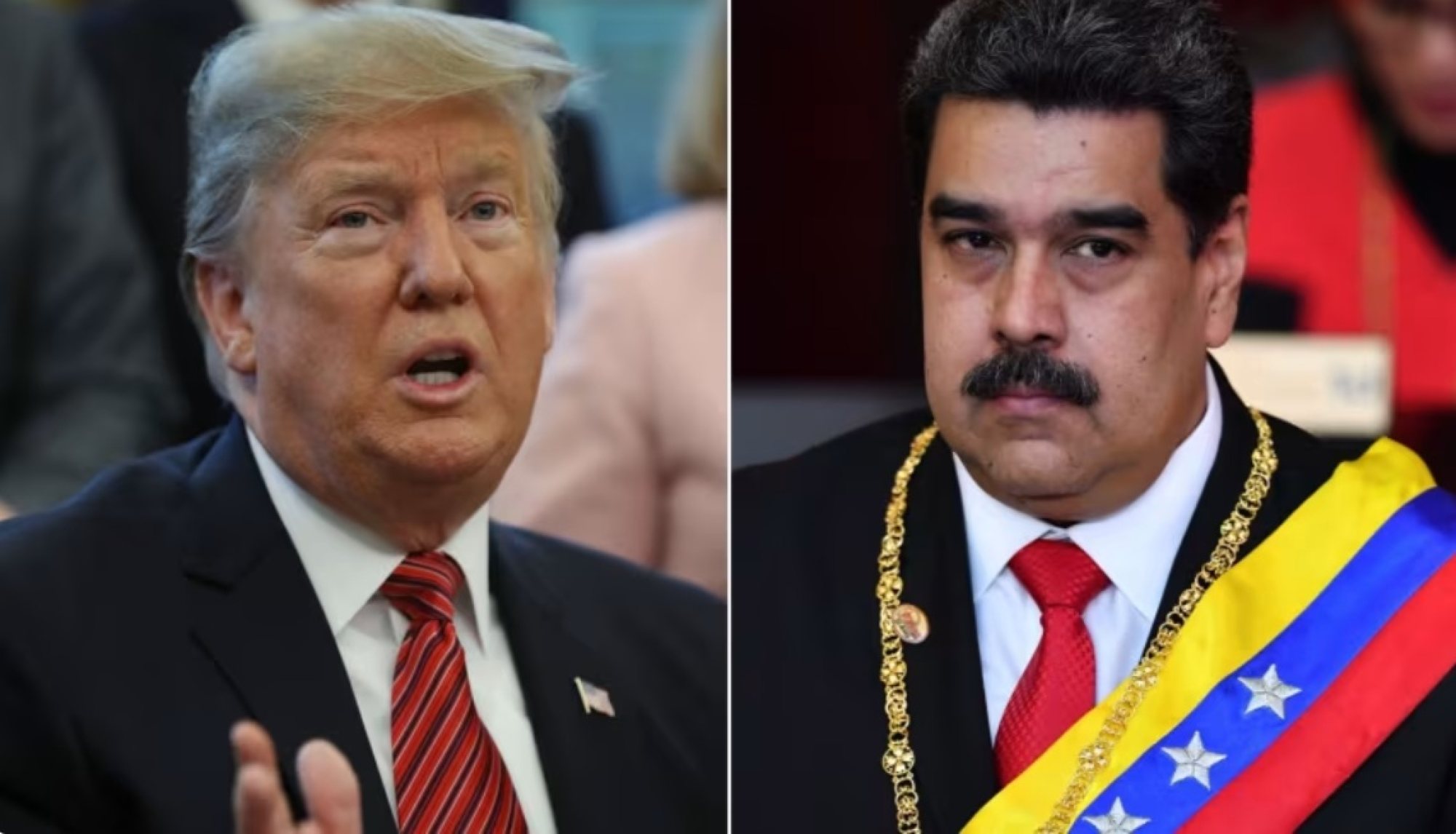
On Wednesday, US President Donald Trump told reporters his nation will soon expand its campaign against Venezuela-linked drug operations beyond the sea, pledging to begin strikes on land.
“We’re going to start very soon on land,” Trump said, claiming US forces “know every route” used by traffickers.
“You know, the land is much easier,” he said. “And we know the routes they take. We know everything about them. We know where they live. We know where the bad ones live. And we’re going to start that very soon, too,” he added.
Beijing’s message was not an isolated gesture. Only days earlier, President Xi Jinping had sent a birthday letter to Maduro, calling China and Venezuela “intimate friends, dear brothers and good partners”.
The note, made public by Venezuela’s Foreign Ministry, promised continued support for Caracas in “safeguarding its sovereignty and national security, the dignity of the nation and social stability”.
Xi also denounced foreign meddling in Venezuelan affairs, a remark widely seen as aimed at Washington.
That message reinforced what has become a familiar alignment between the two governments.
Over the past decade, China has provided billions in loans, technology and infrastructure projects in exchange for oil shipments and diplomatic loyalty, defining the relationship as a “comprehensive strategic partnership”.
Tensions between Washington and Caracas have meanwhile sharpened. Trump confirmed last week that he had spoken by phone with Maduro, their first direct contact in years, in what both sides later described as a brief but significant exchange.
Maduro told state television on Wednesday that the conversation had been “cordial” and said he hoped it could open the door to “respectful dialogue”. He said he decided to reveal the call to counter speculative reporting and insisted that sensitive diplomatic matters should be handled “with prudence”.
“During my six years as foreign minister, I learned diplomatic prudence,” he said, referring to his job during the administration of the late president Hugo Chavez.
“I don’t like diplomacy with microphones; when there are important matters, they must be handled quietly until they are resolved.”
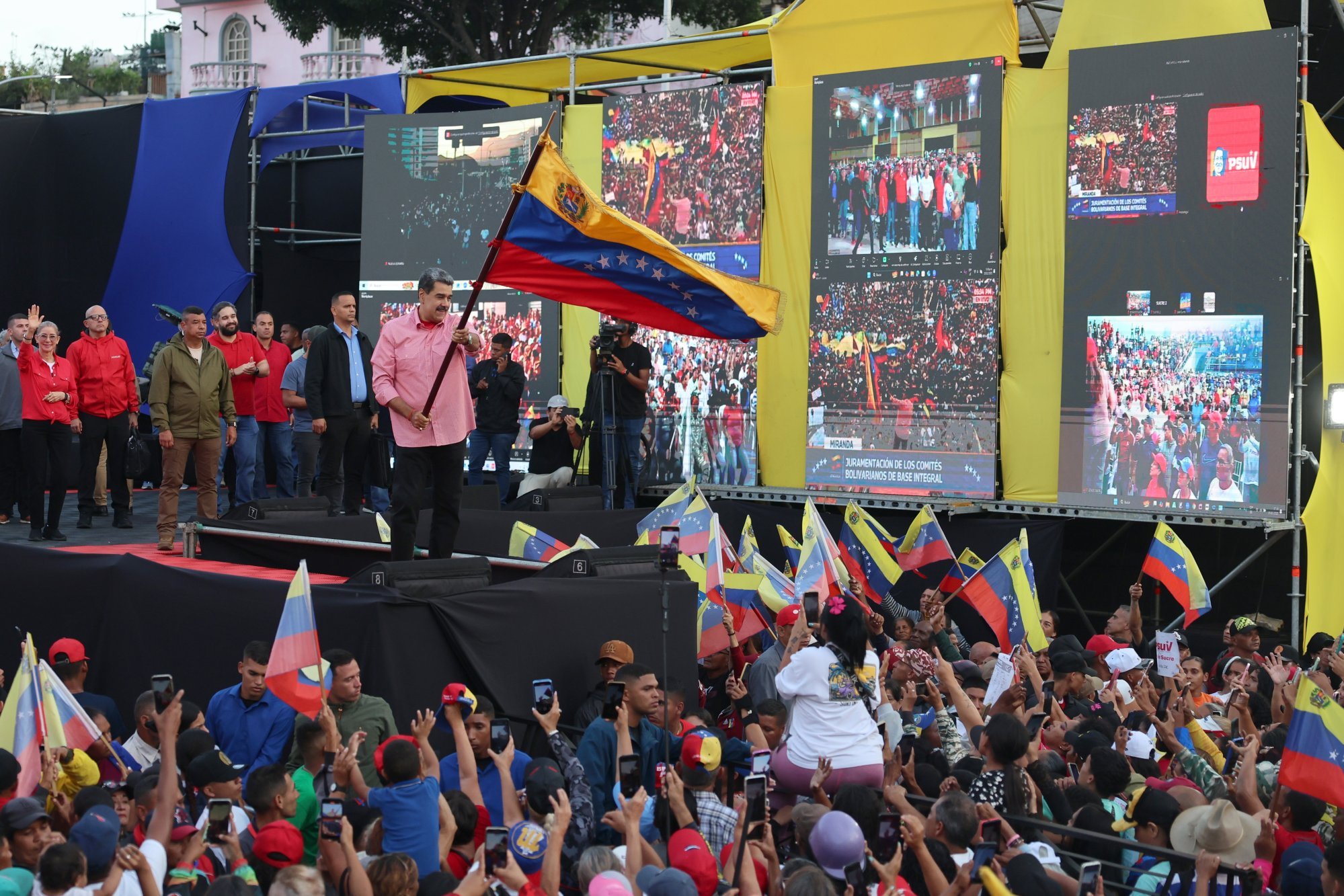
The renewed contact came amid an expanded US naval campaign targeting what the administration describes as drug-smuggling routes from Venezuela and other Latin American nations.
US officials argue the effort is aimed at curbing narcotics flows, while Maduro’s government says Trump is using counter-drug operations as a pretext to destabilise the country and seize control of its oil reserves.
Washington estimates suggest Venezuela functions mainly as a transit point for 10 to 13 per cent of global cocaine shipments.
While the political stand-off continues, Caracas has moved to highlight its ties with China through softer symbols of cooperation.
This week, authorities inaugurated the Plaza de la Amistad China-Venezuela (or the China-Venezuela Friendship Plaza), a new public space in the capital.
The plaza features sports courts, open-air gyms and kiosks for local entrepreneurs. Its opening ceremony on Wednesday, led by Public Works Minister Juan Jose Ramirez and Caracas Mayor Carmen Melendez, included traditional lion dances and tai chi performances alongside China’s ambassador Lan Hu.
The diplomat described the project as “a plaza of the people, for the people”, saying it was “a place for families to meet and for friends to talk”.
Melendez said the space would host cultural events during the city’s holiday season and called it part of efforts to make Caracas “a more open, safe and touristic city”.
She invited residents from nearby districts to visit, saying the project promoted “culture, entrepreneurship and peaceful coexistence”. -- SOUTH CHINA MORNING POST


