HANOI (Bernama-VNA) -- Vietnam’s processed seafood sector, despite having a strong global footprint in more than 170 markets, is struggling to gain a firm foothold in the domestic market amid rising demand from over 100 million consumers.
As seafood exports face growing challenges from the global economic slowdown, technical barriers in importing markets and rising input costs, developing the domestic market is increasingly viewed as a strategic direction to stabilise production, maintain supply chains and reduce dependence on external markets.
Experts noted that local consumers are showing a growing preference for high-quality seafood products that are safe, hygienic and traceable.
This trend presents an opportunity for exporters who already meet strict international standards to supply premium products to domestic buyers.
However, many enterprises struggle to access modern distribution systems. Despite having reputable brands and advanced production capacity, some find it difficult to compete with smaller producers whose lower-quality products often dominate the market due to lower prices and inconsistent quality control.
Vietnam Association of Seafood Exporters and Producers (VASEP) deputy general-secretary Le Hang said the main challenges facing the industry relate to business mindset and strategy, as most seafood companies focus primarily on exports and do not pay sufficient attention to the domestic market.
Their efforts in communication, branding and storytelling for local consumers remain limited. Even members of VASEP’s club for domestic seafood suppliers, which consists of around 30 businesses, have yet to effectively promote their products to local customers, she noted.
In addition, many companies still rely on traditional sales methods and have yet to tap into modern distribution channels, especially e-commerce.
VASEP estimates that only about 20 to 25 per cent of seafood enterprises are actively engaged on online platforms.
Consumer habits also pose barriers, particularly in rural areas where shoppers continue to prefer fresh over frozen products and are not fully aware of the safety and quality benefits of deeply frozen seafood processed under strict control for antibiotic residues and hygiene.
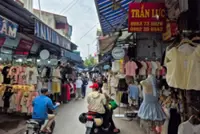
Distribution infrastructure remains another challenge, as high discount rates, logistics costs and stringent quality requirements make it difficult for enterprises to enter supermarket chains and trade centres, leaving traditional markets and small-scale distributors as their main sales outlets. -- Bernama-VNA