
World-renowned neurologist and consciousness research pioneer Steven Laureys has taken up a full-time university position in eastern China’s Zhejiang province.
The 56-year-old Belgian scientist joined Hangzhou Normal University earlier this year as a professor at its school of basic medical sciences, according to a university statement.
Before moving to China, Laureys spent decades in Europe and had a brief stint in North America. He is widely recognised as one of the first researchers to use brain-imaging technology to study consciousness and hidden awareness in patients who appear unresponsive.
He has co-authored more than 500 scientific papers and received numerous awards, including Belgium’s highest scientific honour, the Francqui Prize, the European Award in Medicine and Neurology, and the US-based Tom Slick Research Award in Consciousness.
On October 24, Laureys attended a ceremony on campus to inaugurate the Zhejiang-Belgium Joint Laboratory for Disorders of Consciousness, along with Zhejiang provincial officials, university leaders and Belgian diplomats.
The new lab would focus on precision diagnosis and intervention for patients with consciousness disorders, including those who were in a coma or showed only limited signs of awareness, using them as a “natural model” to study how the brain worked, said Tang Ruikang, the university’s executive vice-president.
It aimed to link research from the molecular to behavioural level and bridge the gap between basic science, clinical practice and industry innovation through an open, international network, he added.
As part of Zhejiang’s drive to build a “common prosperity demonstration zone”, the lab also plans to develop replicable care and rehabilitation solutions to address real-world needs such as long-term care and services for the elderly and children.
Victor Stephany, economic consul at the Belgian consulate in Shanghai, said the new lab had been built on more than two decades of scientific collaboration between the University of Liège and Hangzhou Normal University.
The project reflected deepening ties between Belgian and Chinese researchers and reaffirmed his government’s support for continued, practical cooperation in neuroscience, Stephany said.
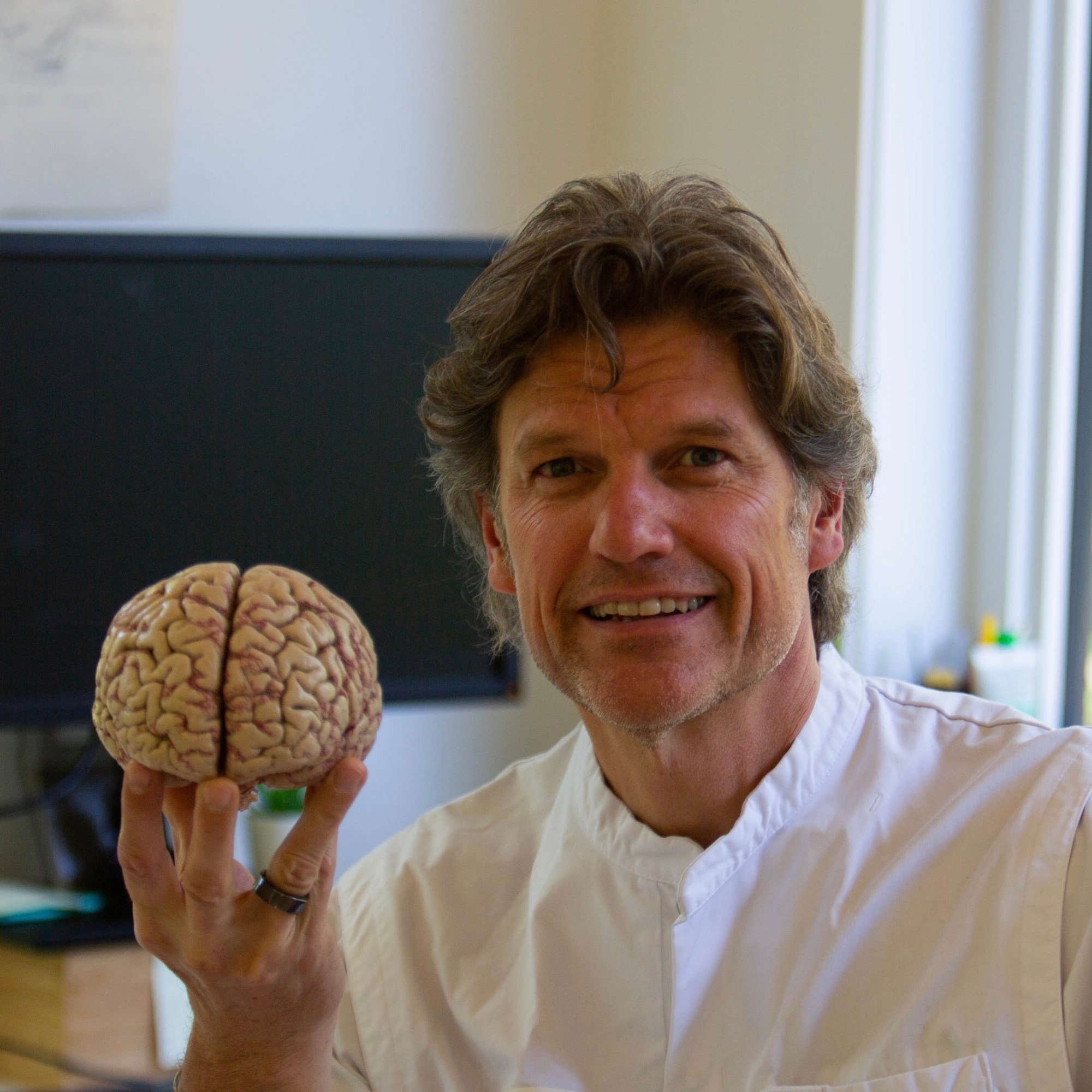
During the ceremony, Laureys also presented his latest research on using brain-computer interfaces to assess awareness in patients with consciousness disorders. The university said his recruitment was part of its broader push to attract global talent and strengthen its science faculty.
Over his career, Laureys has attracted tens of millions of euros in research funding from international agencies, including the European Commission, Belgium’s National Fund for Scientific Research, the Canadian government, China’s National Natural Science Foundation and private foundations such as the US-based Mind Science Foundation.
His work, which uses advanced brain imaging and electrophysiology to study how consciousness is sustained and restored, has been widely featured in international media for its influence on how doctors treat patients emerging from a coma.
He also holds several of the field’s most prestigious titles, including Member of the Academia Europaea and Member of the European Academy of Sciences. -- SOUTH CHINA MORNING POST