
Hong Kong customs have pledged to ramp up the detection of illicit fund flows in large-scale wildlife smuggling cases after winning a UN award for the city’s first money laundering conviction involving this type of trafficking.
The Customs and Excise Department last month was recognised with an “impact” award from the United Nations Environment Programme for its role in the jailing of a 37-year-old man in September for 40 months over a live coral smuggling case involving about HK$6.7 million (US$862,000) in crime proceeds.
“For larger cases where seized goods value would be higher, we will pay particular attention and conduct a holistic investigation,” Wong Lai-yung, head of the department’s syndicate crimes investigation bureau, said.
Hong Kong has seen a rise in endangered species smuggling in recent years.
Customs data showed that 438 cases with goods worth HK$65 million were uncovered in the first three quarters of this year, compared with 358 involving animals and other items worth HK$92 million in the same period last year.
The number of cases also increased by 10.4 per cent between 2023 and 2024, rising from 404 to 446. The total value of the goods involved rose from HK$85 million to HK$99 million.
The case that prompted the award at the UN’s Asia Environmental Enforcement Recognition of Excellence event dates back to 2022 and involves the smuggling of a batch of food and endangered live corals worth about HK$1.5 million.
It also set a landmark precedent for customs to invoke the Organised and Serious Crimes Ordinance for wildlife trafficking-related crimes.
A 2021 legal amendment enabled the ordinance to be used in wildlife trafficking-related cases, granting authorities additional powers to freeze assets suspected to be related to syndicates engaged in such activities and apply harsher penalties in court.
Customs would usually prosecute the smuggling of endangered animals or plants with the Protection of Endangered Species of Animals and Plants Ordinance, under which offenders face a maximum fine of HK$10 million and up to 10 years in jail.
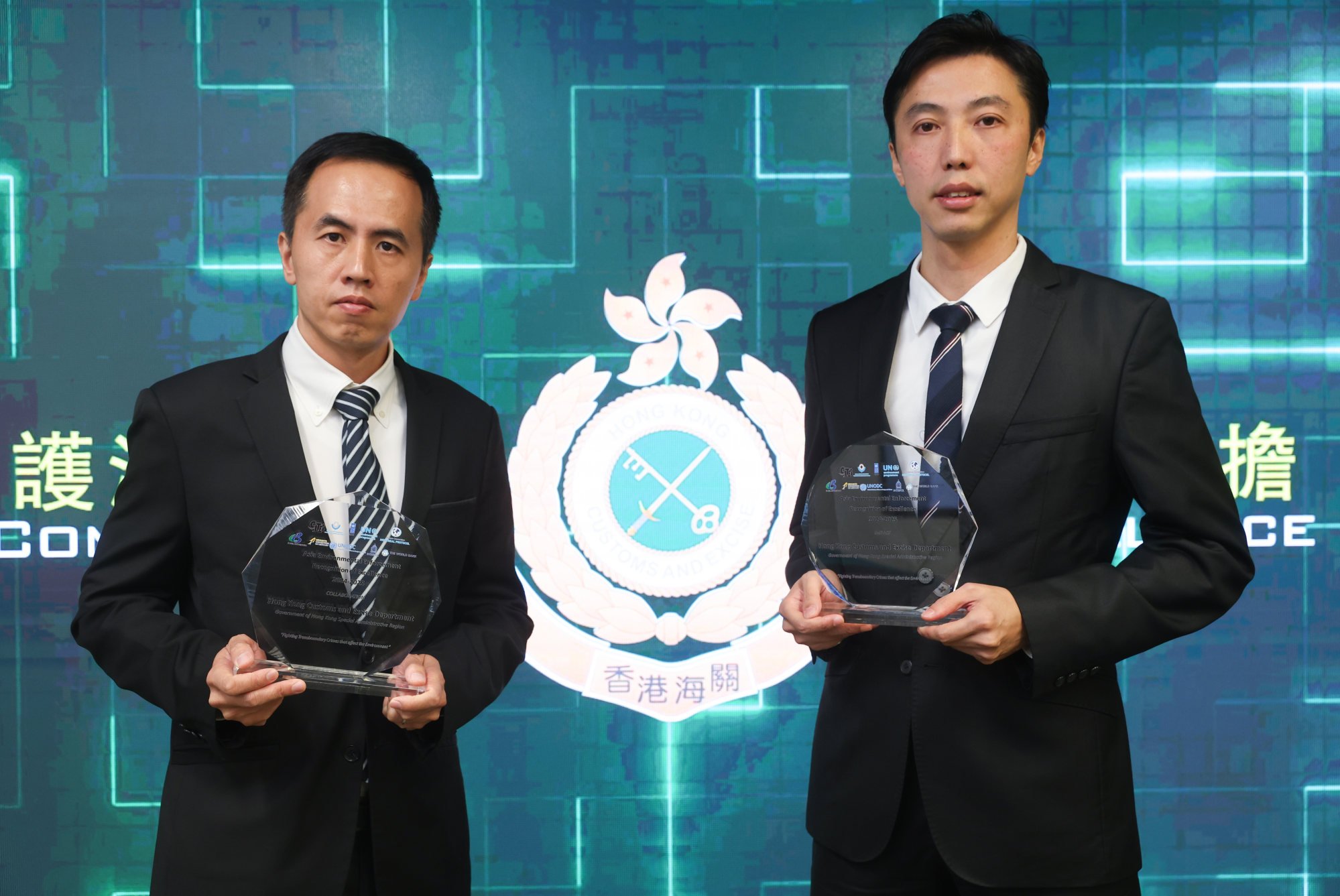
Sam Chang Man-kit, deputy head of the department’s syndicate crimes investigation bureau, said suspects would have to hold important roles in syndicates for investigations to uncover illicit fund traces in such smuggling cases.
He said that money laundering investigations typically took years, with customs bringing in accountants to analyse the cash flow behind the 2022 live coral smuggling case to help build a case against the man.
“With the legal amendment having come into force in 2021, we hope to see more work in this area in the future,” Chang said.
Official figures also showed that with the increase in cases of endangered species being smuggled, a rising number involved the use of air, land and sea cargo or air parcels.
Customs uncovered 130 cases of endangered species being smuggled into Hong Kong via cargo in the first three quarters of this year, while another 75 involved the use of air parcels. The remaining 233 cases involved animals being smuggled by passengers.
In comparison, 2024 saw 153 cases involving cargo and 43 involving parcels. The year before that saw the figures stand at 87 and 53, respectively.
Chang said smugglers tended to put more valuable species in air parcels and cargo due to shorter travel times.
He cited a case in March this year, when authorities discovered live snakes and lizards worth HK$210,000 hidden in air cargo declared to contain baby milk formula, air-fresheners and dehumidifiers.
Officers, a month later, discovered a case where 20 suspected endangered lizards worth HK$78,000 were hidden inside rolled-up socks placed inside boots flown into the city, he said.
Endangered turtles and totoaba have also been discovered smuggled by air to the city this year.
Between July and August this year, customs seized 419 suspected endangered turtles and 1,574 pieces of live corals worth HK$4.3 million from parcels declared to contain clothes and toys from the United States and the Philippines.
But Chang said syndicates had not shifted to using passengers to smuggle endangered species, with most cases involving passengers typically being residents or visitors caught carrying unlicensed orchids or American ginseng for their own use.
The department also won another “collaboration” award jointly with the anti-smuggling bureau of Shanghai customs for a joint crackdown involving nearly nine tonnes of shark products last year. -- SOUTH CHINA MORNING POST