




Beijing has called for de-escalation following the deadliest border clashes between Pakistan and Afghanistan since 2021, saying it is “deeply concerned” about the hostilities.
Analysts suggested the conflict remained manageable but warned that flaring tensions could jeopardise regional stability.
“China sincerely hopes that both countries will prioritise the bigger picture, exercise calm and restraint, and resolve their concerns through dialogue and consultation to avoid further conflict,” foreign ministry spokesman Lin Jian said on Monday.
He added that China was ready to “continue playing a constructive role” in improving bilateral ties and called on both sides to ensure the safety of Chinese personnel, projects and institutions in the region.
Tensions between Islamabad and Kabul escalated last week after their forces exchanged fire at various points along their border, marking some of the worst firefights since the Taliban returned to power in 2021.
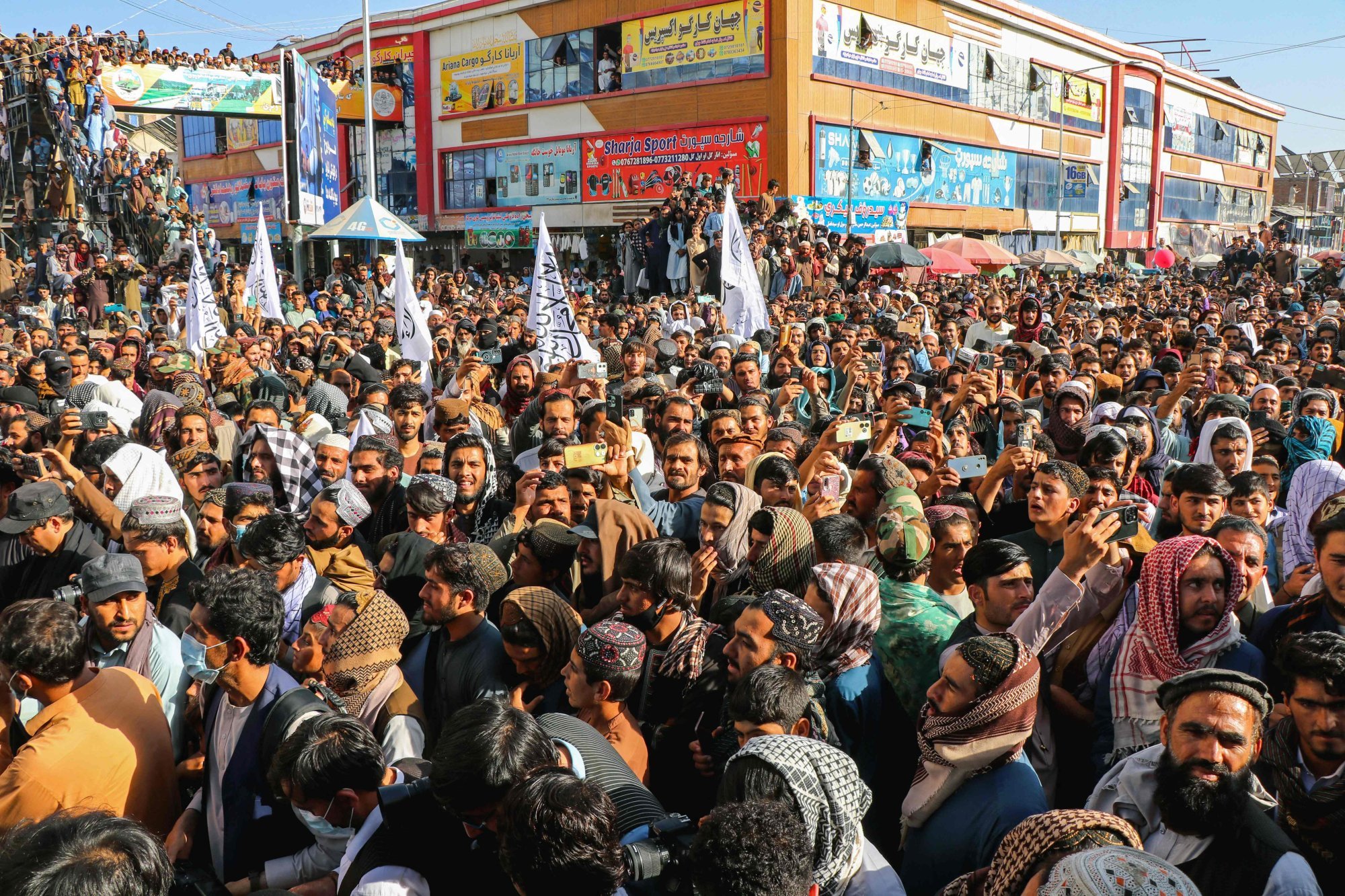
In what it called “an act of retaliation” for Pakistani air strikes last Thursday, the Taliban claimed on Sunday to have killed 58 Pakistani military personnel while its forces suffered nine casualties.
That same day, Pakistan disputed the casualty figures, stating instead that 23 of its own troops were killed while “200 Taliban and affiliated terrorists have been neutralised”. Islamabad has not officially acknowledged the air strikes.
The exchanges were mostly over by Sunday morning, according to Pakistani security officials.
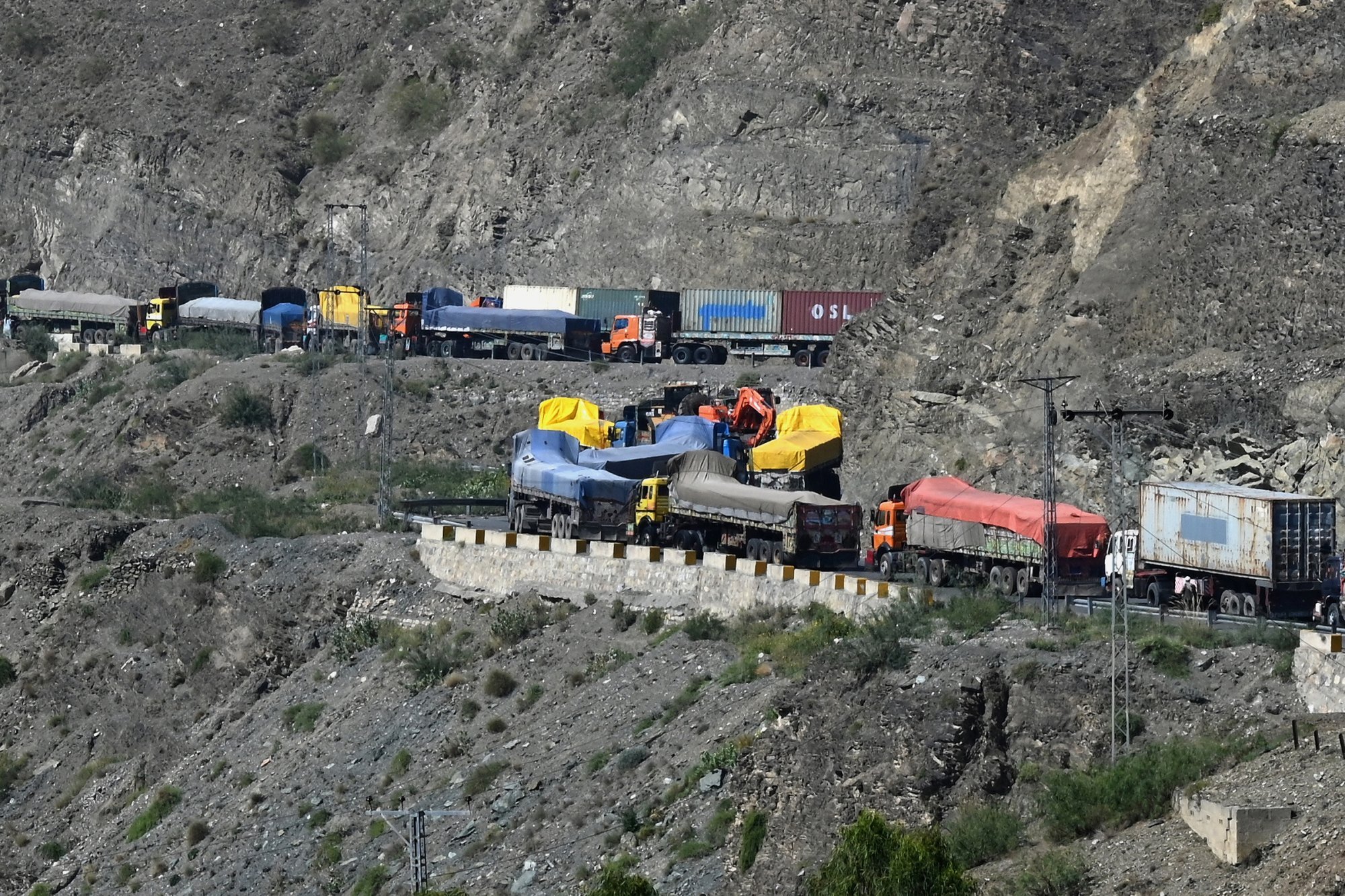
Both sides claimed to have destroyed their adversary’s border posts. Pakistani officials said on Sunday that they had closed multiple crossings along the 1,640-mile (2,640km) border.
Zhu Yongbiao, professor at Lanzhou University’s school of politics and international relations, warned that if weakened by an escalating conflict, the Afghan Taliban would likely support the Tehrik-e Taliban Pakistan – a militant group known as the Pakistani Taliban – to expand its terrorist attacks in the region.
“While such attacks may not target Chinese interests directly, they could eventually spill over and threaten Chinese personnel and projects in the region,” he said.
China and Pakistan have cooperated in massive infrastructure projects under the China-Pakistan Economic Corridor (CPEC). While most existing railway and highway projects are concentrated in northeastern Pakistan, several others are under construction or being planned for the western regions near the Afghan border, according to the CPEC website.
“The Afghan Taliban has few strategic options. Backing terrorist proxies in Pakistan is a key card they hold, and one they could easily resort to playing,” Zhu added.
Yan Wei, deputy director of the Institute of Middle Eastern Studies at China’s Northwest University in Xian, also cautioned about rising security risks in Pakistan’s northwest.
However, the bilateral tensions were manageable, even if they could not be fully resolved, Yan said.
As a landlocked nation, Afghanistan is constrained by Pakistan and has historically relied on its territory and ports for exports.
“This creates a push-and-pull dynamic of both rivalry and compromise, leading to recurring cycles of major disputes, which are essentially a part of their ongoing strategic game,” Yan said.
He added that China had multiple mechanisms to mediate between Islamabad and Kabul, including trilateral foreign ministers’ meetings and the Shanghai Cooperation Organisation, which has consistently focused on counterterrorism in Afghanistan.
The CPEC was another important and useful tool for Afghanistan as it struggled to revive its domestic economy and attract Chinese investment, Yan said.
“Against this backdrop, I believe the corridor itself serves as a crucial platform for fostering cooperation between Afghanistan and Pakistan.”
In May, China, Pakistan and Afghanistan agreed to extend the multibillion-dollar CPEC project into Afghanistan.
However, Zhu said China’s role as a mediator would be limited as the conflict between Pakistan and Afghanistan was structural and rooted in a long, complex history of multiple grievances.
The conflicts, according to Zhu, included territorial disputes, provocations from other countries – particularly India and the United States – and the rise of strong nationalist sentiment within the Taliban after it returned to power.
“It is very difficult for outside forces, especially other countries, to have a meaningful effect. Even if they do, the impact – whether from the US, China or others – will only be temporary,” Zhu said.
“Long-term peace ultimately depends on the two countries themselves.” -- SOUTH CHINA MORNING POST



