BEIJING (SCMP): Young people in China have recently embraced a trend of visiting the graves of historical figures, leaving quirky tributes inspired by their lives, such as wine for poets and painkillers along with chocolates for generals.
This phenomenon has sparked an online debate regarding the potential debasement of history.
Following the Ching Ming Festival, history lovers have been visiting the tombs of ancient Chinese figures, documenting their journeys and sharing them online.
One such enthusiast, who uses the alias Chen Mei, created a chat group where members exchange insights on ancient texts while planning visits to graves. They proudly refer to themselves as “ancient idol fanatics”.

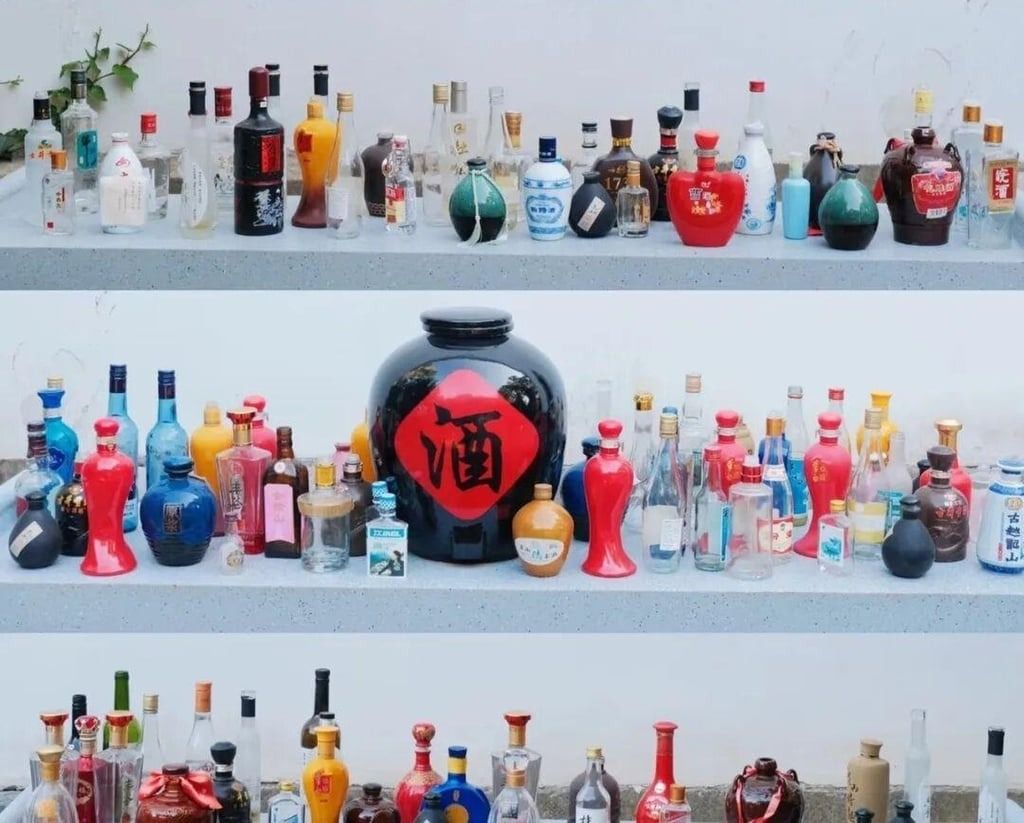
One of the most popular ancient idols is Li Bai, the Tang dynasty (618 – 907) poet, revered as shi xian, or the “Poet Fairy”, for his romantic, free-spirited poetry and love of wine.
His life was filled with legends, the most widely spread being that he drowned while drunkenly trying to grab the moon’s reflection in a river.
Li’s grave is in a remote village in Anhui province, eastern China, and is a key cultural heritage site.
Visitors honour him by bringing wine, and bottles pile up like a small mountain in front of his tombstone.
One tourist said: “Li Bai represents the golden age of Chinese poetry. We bring our respect and wine, toasting him from afar.”
Cao Cao, a famed statesman from the Eastern Han dynasty (25 – 220), also continues to be admired today.
Known for his brilliant military tactics and ruthless, cunning nature, he was both revered and resented.
Records also note that he suffered from severe headaches in his later years.
His tomb in Henan province, central China, sees visitors leaving painkillers as offerings.
Huo Qubing, the national hero who defended China during the Western Han dynasty (206BC – 9), was only 17 years old when he led troops into battle and died at 24.
Visitors to his tomb in the northern Shaanxi province bring milk tea and chocolates to honour the young general.
One such tourist said: “Huo was so young when he went to battle; he must have never tasted anything sweet.”
Another brought a map of modern China and said: “The land General Huo fought to defend is now prosperous.”
Today, on the birthdays and death anniversaries of historical figures, or traditional Chinese festivals like the Mid-Autumn Festival, young people take customised gifts to their tombs.

Such posts have racked up more than 2 billion views on mainland social media.
Some scenic spots and local governments have even set up dedicated spaces for offerings to cater to visitors.
A popular comment highlights why this trend exists: “Modern celebrities often face scandals, but historical figures are true idols who will never fall. Their legendary stories must not be forgotten.”
Another online observer said: “This ‘tomb-sweeping revolution’ is changing how we spread historical culture.”
But not everyone agrees.
Some critics warn that turning history into entertainment could cloud people’s ability to objectively judge historical events.
Others say that the piles of food, postcards, and flowers at tombs “waste public resources” and contribute to environmental pollution. - SOUTH CHINA MORNING POST