




Hong Kong authorities could look again at introducing an organ donation opt-out mechanism to boost the city’s low registration rate, a senior health official said on Sunday.
A lawmaker and an organ donation advocate, however, warned about a potential backlash from residents over such a policy and urged the government to first check public opinion on the issue and step up promotion of the existing voluntary registration scheme.
Their calls followed comments by Director of Health Ronald Lam Man-kin lamenting that the registration rate for organ donors in Hong Kong was lower than in many other developed economies.
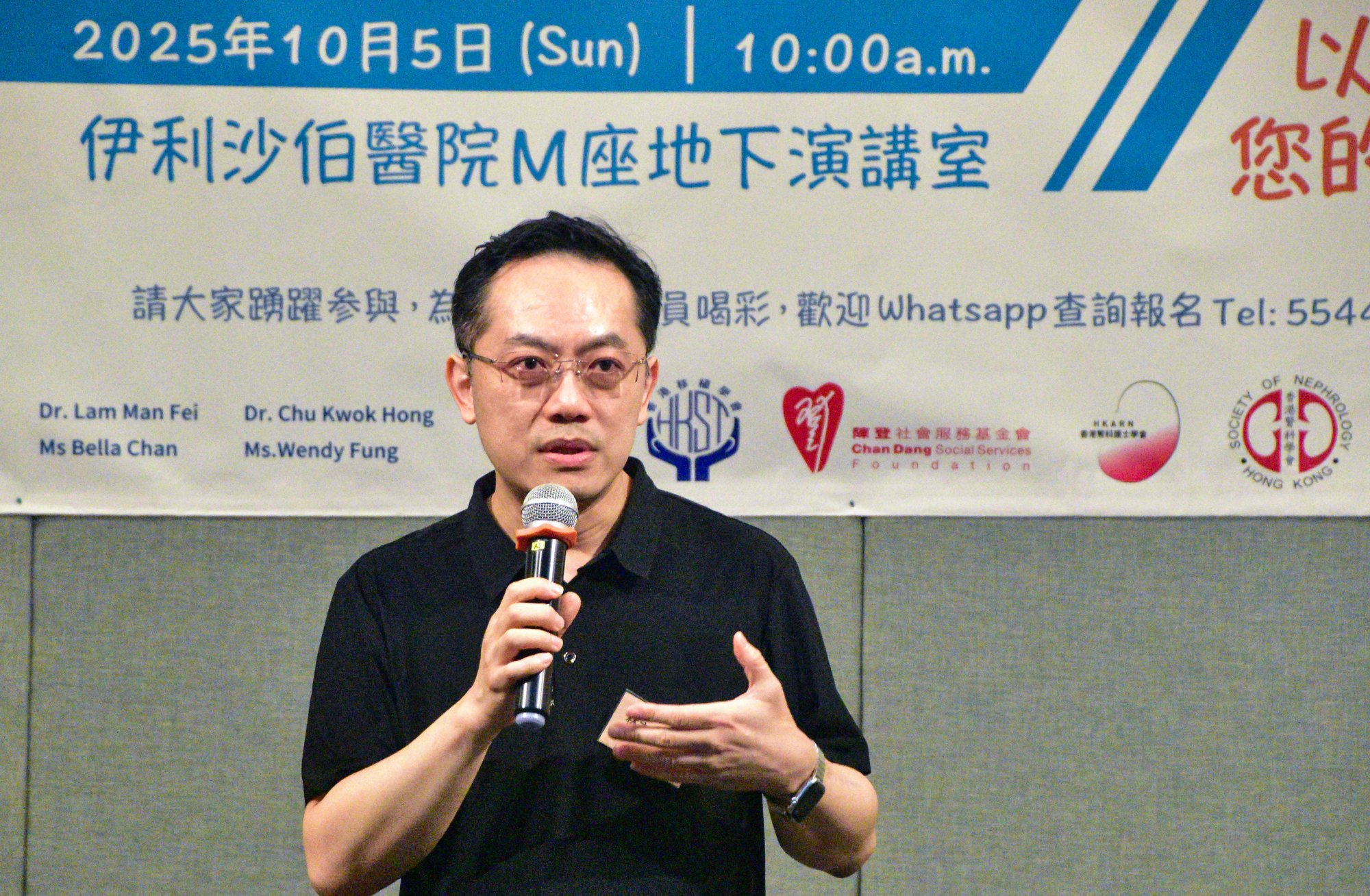
”Can we restart the discussions on implementing an organ donation opt-out mechanism in the future?” Lam said at a ceremony to mark the achievements of the Hong Kong team at the World Transplant Games in Germany in August.
“As long as residents have the right to choose, there are no human rights issues.”
The mechanism assumes that everyone in a jurisdiction is willing to donate their organs after death, while having the right to opt out via methods stipulated by the authorities.
Lam said the level of transplant activities in Hong Kong was lower than in many advanced economies such as Spain, which has an opt-out policy.
England, Wales, Scotland, the Netherlands, the Canadian province of Nova Scotia and Singapore are among other locations that have also adopted such a mechanism.
Hong Kong currently has an opt-in policy, under which residents must sign up with the Centralised Organ Donation Register to indicate that they wish to become donors after death.
As of August, a record high of more than 400,000 people out of Hong Kong’s 7.5 million residents had registered as organ donors.
However, only around 30 deceased organ donors were recorded last year, representing around four per million population. In comparison, this number was 52.6 in Spain in 2024.
Hong Kong considered an opt-out mechanism 10 years ago after the death of Jamella Mangali Lo, 19, who had waited in vain for a double lung donation for more than two weeks.
Then health secretary Ko Wing-man said Hong Kong needed a more active approach to boost the donation rate, but a survey by the Census and Statistics Department in 2017 showed only 34 per cent of residents supported the idea.
Lawmaker Rebecca Chan Hoi-yan, who was Ko’s political assistant during his term from 2012 to 2017, said she believed reopening the discussion might not be effective in boosting the donation rate, given the insufficient promotion of voluntary registration.
“Introducing an opt-out mechanism could backfire because the idea could sound coercive to some people, just like taking your things without asking,” she said.
“It takes a long time for people to understand what it means to opt out and how it works – why don’t you instead put more effort into persuading people to opt in?
“The opt-out mechanism adopted by many countries could instead be used as a tool to draw public attention.”
Chan said organ donation only came into focus when dying patients made urgent pleas, but the government needed to make it a regular part of public education.
For example, she said, authorities could consider integrating the concept into the school curriculum and letting residents indicate their choice when applying for an adult identity card or registering as voters at 18, the eligible age to become an organ donor.
Dr Chau Ka-foon, honorary president of the Hong Kong Transplant Sports Association, stressed that an opt-out mechanism was not necessarily a solution to the low donation rate, pointing to Singapore.
The city state, which enacted its opt-out law in 1987, had an organ donation rate of 4.67 people per million population in 2023, compared with the global average of 6.84.
Frontline doctors had also reportedly faced objections from family members who could not accept that their relatives had died or were really brain dead.
Chau said some doctors were also against the idea when it was floated, worrying that they might need to face more frontline disputes.
“The case of Singapore suggested the key is public education; it is essential to change people’s mindsets before we consider an opt-out mechanism,” she said.
“While many people were reluctant to donate their organs due to the traditional value of keeping an intact body, we must note that most bodies are cremated in modern times – could we [focus on resolving this] in public education?”
Chau said it was worth doing another survey to grasp the public’s opinion on the suggestion.
More than 3,000 patients were waiting for organ transplants in Hong Kong by the end of June, according to figures from the Hospital Authority, mostly for kidneys.
In 2023, Hong Kong recorded an unusually high number of withdrawals from the register after the government said it hoped to establish a cross-border donation mechanism with mainland China.
While authorities had argued that the city could benefit from the pool of unmatched organs across the border, experts said some residents could have withdrawn because of doubts over organs from the mainland and distrust in its healthcare system.
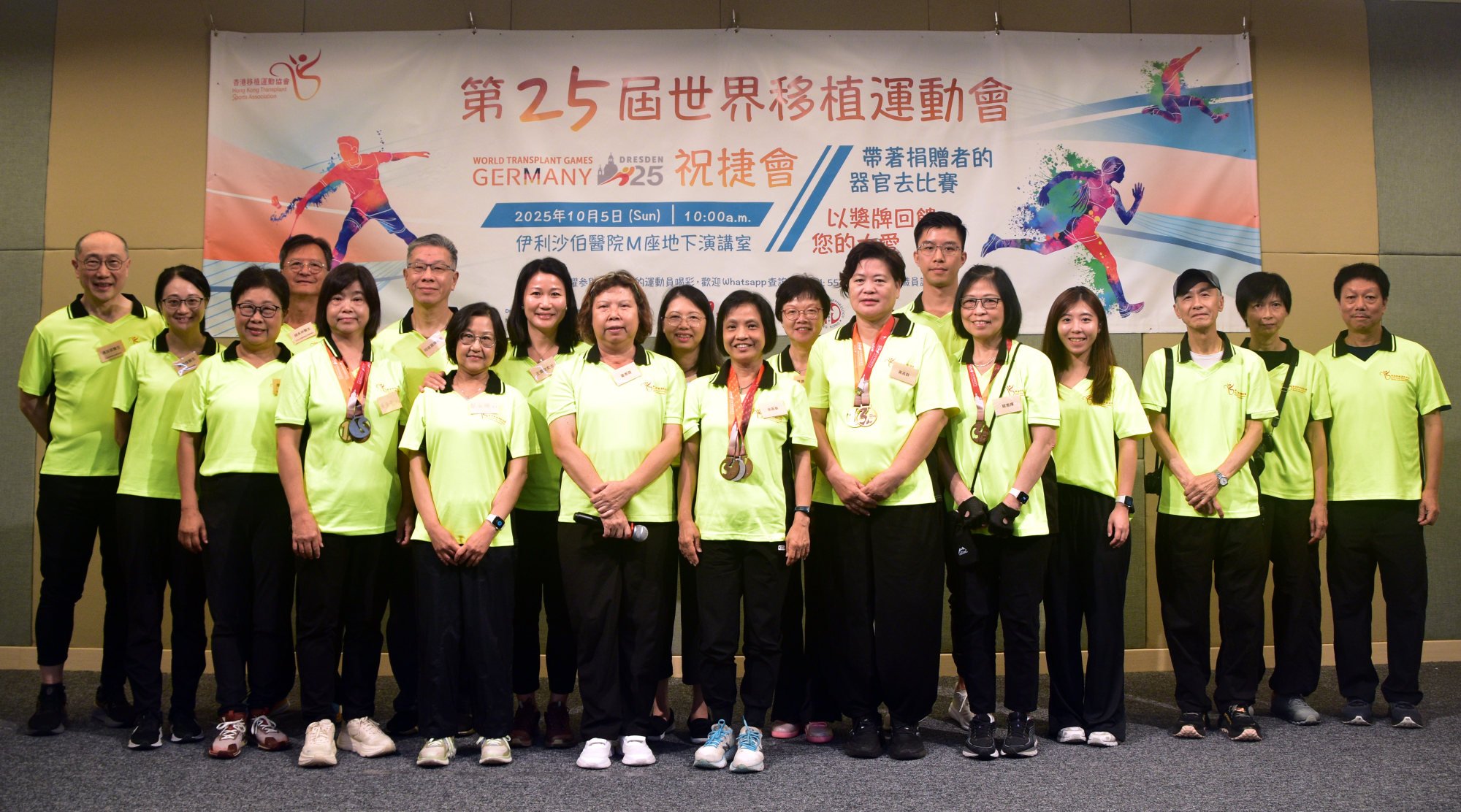
The week-long World Transplant Games, held every two years, took place in the German city of Dresden from August 17 to August 24.
The Games allow organ transplant recipients to compete in various sports including badminton, basketball and football.
Living donors and family members of donors can also sign up for selective programmes.
The 43-strong Hong Kong team, aged from seven to 81, bagged nine gold, 12 silver and 25 bronze medals, ranking 18th out of 48 delegations.


