
China’s embassy in Mexico issued a sharp rebuke after a US diplomat urged the country to help Washington reduce reliance on Chinese-made semiconductors, calling the remarks coercive and accusing the United States of practising “economic bullying”.
In a statement posted on Wednesday on X, the embassy said recent comments by Mark Johnson, the chargé d’affaires at the US embassy in Mexico, “revealed Washington’s true intentions”.
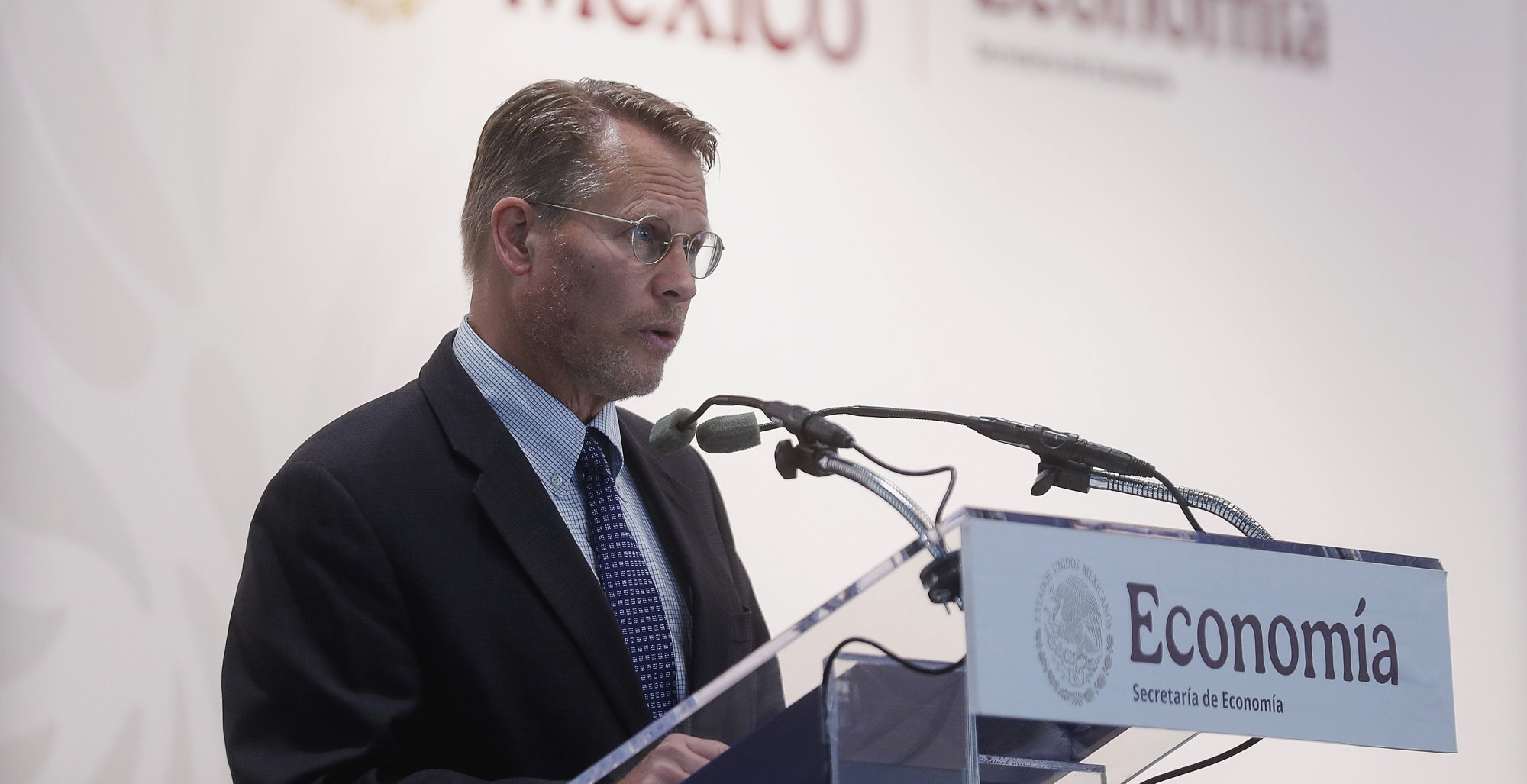
Johnson had told the Mexico-US Semiconductor Forum that the United States “will not tolerate dependence on critical technologies from China” and that Mexico must play “a key role” in reducing it.
“This type of rhetoric brazenly exposes the mentality of the United States to impose geopolitical competition on others,” the Chinese embassy said.
“What it calls ‘not tolerating dependence’ is nothing more than erecting trade barriers, issuing threats and practising economic bullying.”
The statement added that Washington was less concerned with Mexico’s growth than with “forcing this country to serve as its geopolitical instrument in industrial and supply chains”.
It accused the US of fearing fair competition and clinging to “its monopolistic position” by branding advances in other nations as “dependence”.
China warned that such actions undermine the global trading order, damage the interests of the Global South, including Mexico, and “ultimately erode the credibility of the United States itself”.
The embassy urged US officials to abandon a “zero-sum mentality” and “not dictate to others with an authoritarian tone of intolerance”.
The unusually sharp language comes amid an escalating trade dispute. Earlier this month, Beijing condemned a Mexican plan to raise import tariffs of up to 50 per cent on automobiles, steel, textiles and other goods from countries without trade agreements.
The proposal, championed by President Claudia Sheinbaum’s government under the banner of “Plan Mexico”, aims to protect jobs and safeguard strategic industries.
Following the announcement, China’s Ministry of Commerce launched a formal investigation into the tariffs, expected to last six months.
The inquiry covers cars, auto parts, appliances and other products, and Beijing has opened parallel cases against Mexican exports such as pecan nuts, accusing them of being sold below fair value.
Sheinbaum has defended the measures as sovereign decisions that apply broadly, not only to China.
A senior Mexican official involved in the negotiations said the tariff package was carefully designed to protect 17 strategic sectors such as steel, aluminium and footwear from dumping and subsidies by Asian producers.
The official added it also signals to Washington and Ottawa that Mexico is ready to align more closely on investment screening and trade rules while allowing transition periods for industries that cannot yet replace Asian inputs.
They also stressed that Chinese investment in Mexico remains modest compared with other countries and that Mexico’s priority is cooperation with the United States and Canada, not a special plan with Beijing.
Separately, Economy Secretary Marcelo Ebrard told reporters the measures were sovereign decisions.
“These decisions are sovereign,” he said. “They fall within World Trade Organisation norms and are designed to balance trade, not to provoke confrontation.”
The tariff plan is set to cover about US$52 billion worth of imports, or 8.6 per cent of Mexico’s total. It is expected to pass in Congress, where Sheinbaum’s party holds a majority.
Mexico has already imposed new duties on low-value e-commerce parcels from Chinese platforms Shein and Temu, raising the rate to 33.5 per cent in July.
Chinese carmakers have rapidly gained ground in Mexico, accounting for nearly a third of light vehicle sales last year after virtually no presence a decade earlier.
Their surge has unsettled Washington, where President Donald Trump has threatened tariffs of up to 250 per cent on Chinese cars assembled in northern Mexico and exported to the US.
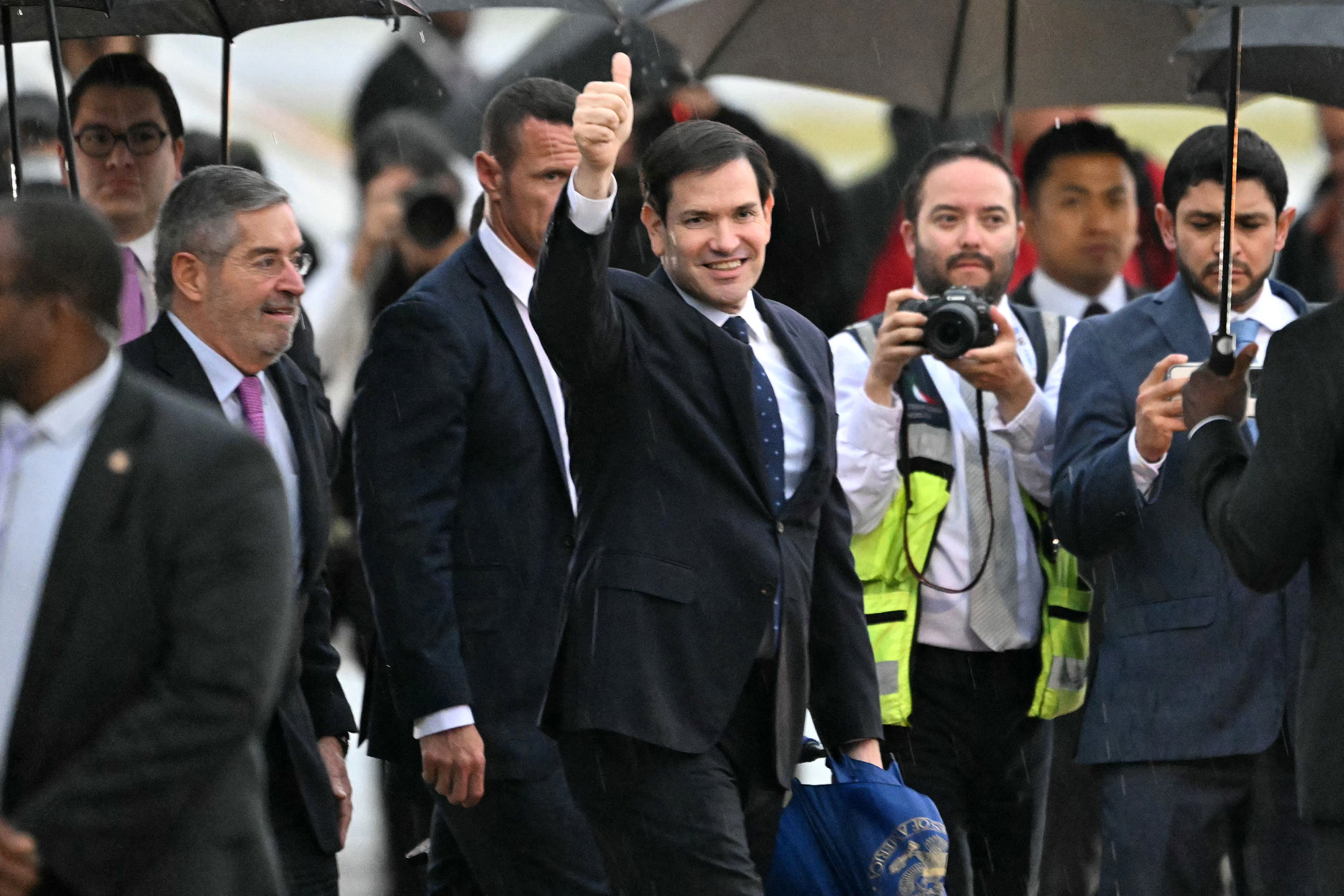
Sheinbaum unveiled the tariff proposal shortly after meeting US Secretary of State Marco Rubio in Mexico City, fuelling speculation that Washington pressed its case behind closed doors.
In its statement, the Chinese embassy also warned that US efforts to obstruct trade would ultimately fail. “Attempts at obstruction by the United States are nothing but a futile effort, like an insect trying to stop a carriage,” it said. -- SOUTH CHINA MORNING POST