
Hong Kong has climbed five places to secure its highest-ever global ranking of fourth spot for talent, the city’s leader revealed at a summit organised by the Post, as he called for the further bolstering of ties with “like-minded” partners such as Asean amid rising unilateralism.
In a report released by the International Institute for Management Development on Tuesday, Hong Kong also came first in Asia, buoyed by improvements across the ranking’s three talent competitiveness factors. Switzerland topped the chart, followed by Luxembourg and Iceland.
Hong Kong’s ranking rose by eight places to 20th in “appeal”, and by one spot for both “readiness” and “investment and development”, moving the city to third and 12th, respectively.
Among the indicators, Hong Kong took the top spot for graduates in the sciences. It was also ranked third in the availability of financial skills and fifth in both remuneration of management and effectiveness of management education.
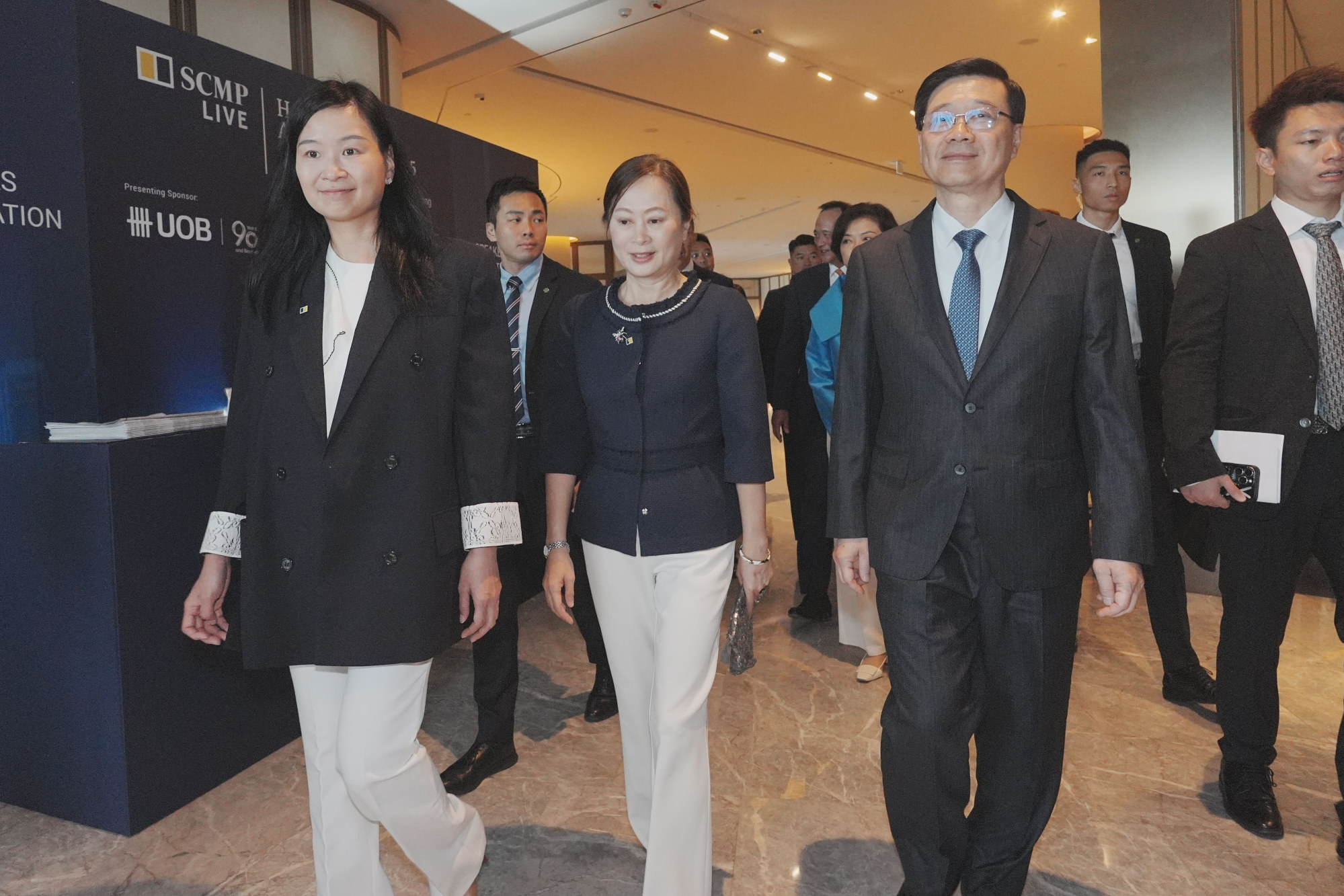
Chief Executive John Lee Ka-chiu revealed the latest ranking at the Post’s Hong Kong-Asean Summit on Tuesday.
The city fell from 11th in 2021 to 16th in 2023, before climbing to ninth last year.
“Indeed, our ranking rose 12 places over the past two years, a clear testament to the [Hong Kong] government’s enhanced efforts in education and talent development,” Lee said during his keynote speech at the summit.
In 2022, Lee’s administration launched a series of measures to attract talent and counter an emigration wave triggered by the 2019 social unrest and the Covid-19 pandemic.
They included the Top Talent Pass Scheme, launched in December 2022, which is open to candidates who earned more than HK$2.5 million (US$318,500) over the preceding 12 months and graduates of 199 select universities across the world.
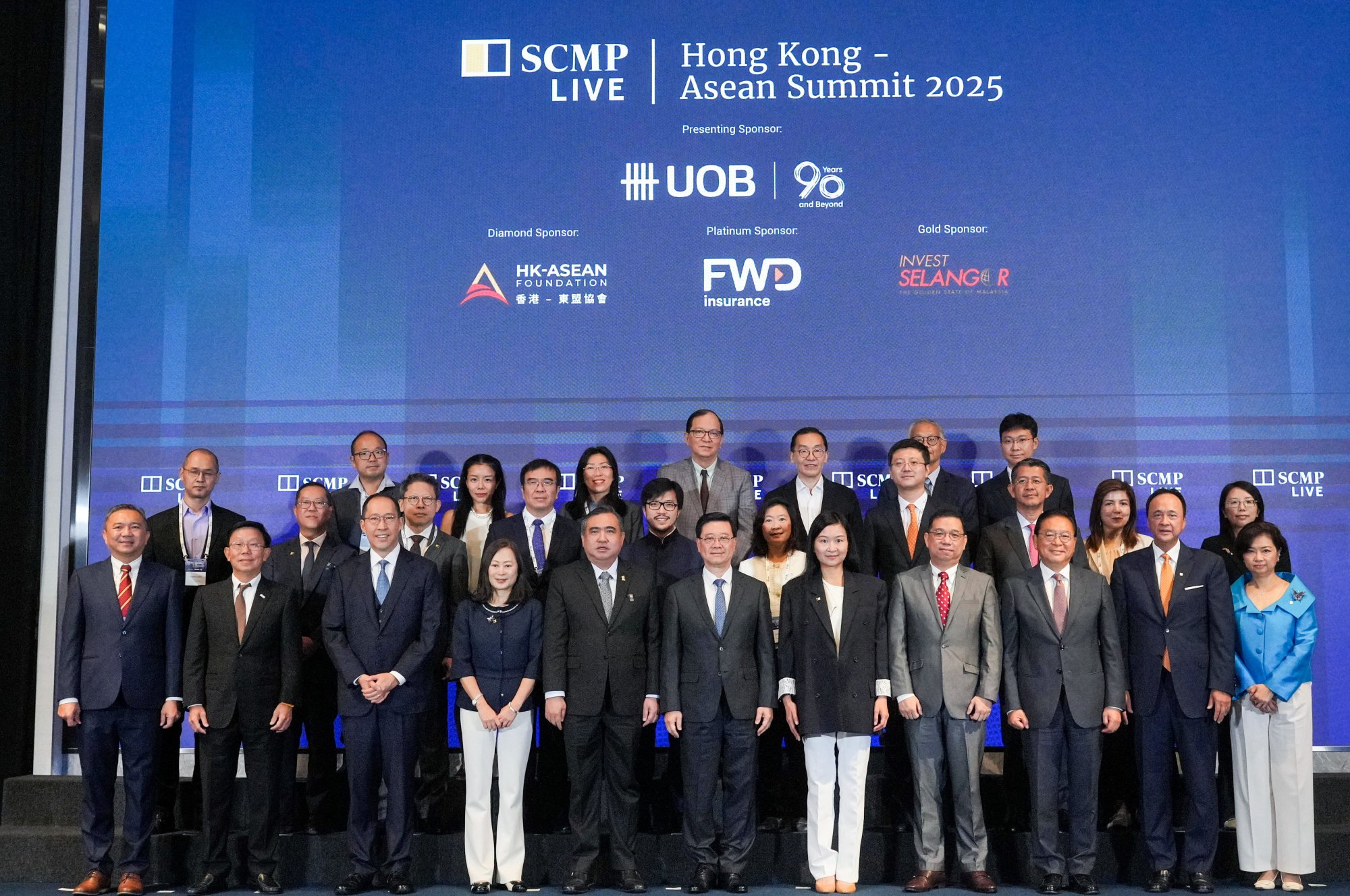
The Post’s summit brought together officials and business leaders from Hong Kong and the 10-member Association of Southeast Asian Nations in a showcase of emerging opportunities between the city and its second-largest trading partner.
Without mentioning the United States, Lee said that rising unilateralism and protectionism had created “significant uncertainties” in international trade, which were damaging trading systems and escalating geopolitical risks.
“In these trying times, it is all the more important for like-minded economies to work together, upholding multilateralism with an open, rules-based order,” he said.
“Hong Kong has long been a free trade port and a champion of multilateral trade. That is why we attach great importance to our relations with Asean.”
Asean is Hong Kong’s second-largest merchandise trading partner, with bilateral trade valued at more than US$165 billion in 2024, up 14 per cent from the previous year.
Lee has made boosting the city’s ties with the economic bloc a key priority during his administration, having led several high-level business delegations to seven of Asean’s member countries.
The city leader said that Hong Kong and Asean would continue to deepen collaboration, creating new opportunities for “shared growth and prosperity.”
“Together we are not afraid of storms. United, we will sail our ships through thick and thin,” he said.
Speaking at the summit after Lee, Malaysian Transport Minister Anthony Loke highlighted the possibilities Asean could offer Hong Kong to enhance trade through the regional bloc’s expanding market, skilled workforce and strategic location.
“Think about the possibilities. Hong Kong’s fintech solutions could streamline trade across all 10 Asean countries,” he said.
“Your green finance expertise could fund our transition to sustainable transport; your logistics innovation could optimise supply chains from Vietnam factories to Indonesia’s plantations. We can do so much more.”
Ceferino S Rodolfo, undersecretary for industry development and investment promotions at the Philippines’ Department of Trade and Industry, also stressed that the trade between Hong Kong and Asean would be further promoted after the country assumed the bloc’s chairmanship next year from Malaysia, helping navigate the challenging global landscape.
“We will build on Malaysia’s achievements this year and ensure that, with Hong Kong as a superconnector, Asean and Hong Kong together will be a catalyst for a broader region that is more connected and prosperous,” he said.
“This will serve as the balance that provides stability as we navigate an increasingly turbulent global environment.”
Across three panel discussions, business leaders discussed the region’s potential given its young, growing middle class, while also addressing outstanding issues including economic integration and data standardisation between countries.
Veteran Hong Kong lawmaker and government adviser Jeffrey Lam Kin-fung also spoke at a fireside chat, where he pitched the city as a great place to invest and do business despite attacks on its reputation in recent years.
Weighing in on the talent ranking, Chief Secretary Eric Chan Kwok-ki, the city’s No 2 official, said in a social media post that the government’s targeted measures combined with the city’s development opportunities, had successfully drawn “global elites” from various sectors.
Chan, who also chairs the Education, Technology and Talent Commission, added that the children of these talent would become an important part of Hong Kong’s future workforce and “inject new vitality into our demographics”.
Education minister Christine Choi Yuk-lin said the government would implement a series of policies, including scholarship programmes, to attract global talent while nurturing local ones.
Kenny Shui Chi-wai, vice-president of the think tank Our Hong Kong Foundation, said the rise in rankings was a “historic achievement” and that the government’s policies addressed the talent shortage and injected momentum into economic growth.
He said the city taking the top spot for graduates in the sciences and third place in the availability of financial skills provided the talent for Hong Kong’s finance and innovation sectors. - SOUTH CHINA MORNING POST