
BEIJING: Native to Southeast Asia, durian is a highly divisive fruit. Some people love it, while others cannot stand being in the same room with one.
A lot of this comes down to biology and culture.
The fruit's (in)famous smell comes from sulphur compounds. Genetic variations in olfactory receptors mean some people detect more of the sweet, custardy notes, while others are overwhelmed by the strong stench of week-old garbage.
Culture matters too. In Southeast Asia, most of us grew up being told that the durian is a fragrant, delicious and expensive treat. So, the idea that durian is the "king of fruits" has been internalised and is seldom challenged.
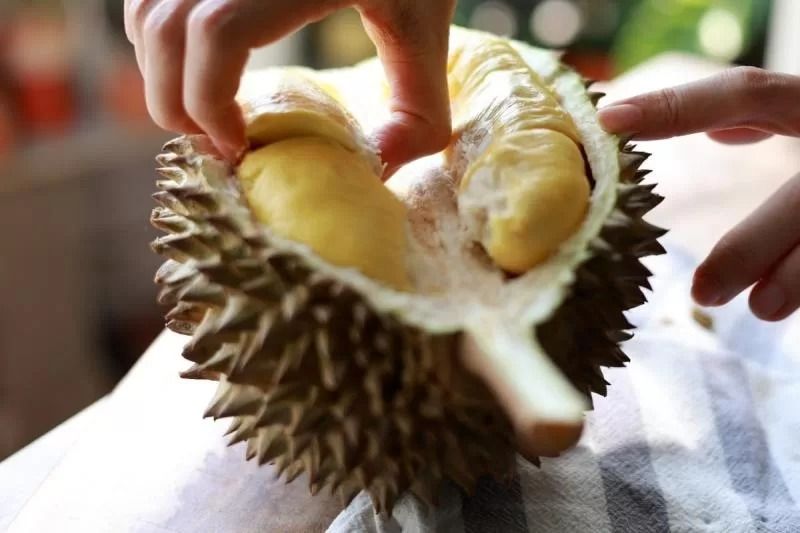
But for those encountering it for the first time, the smell can be akin to rotten food.
Durians are highly prized in China, and the country has become the world's largest durian market. Many Chinese love the flavour, but I suspect some crave it only because it is expensive.
A new logistics hub in northeastern China is being set up to speed up deliveries of Southeast Asian durians to consumers in that part of the country. In August, Liaoning Port Group, operator of the Dalian Sea terminal, began building the Dalian Northeast Asia Fruit Transit Centre, alongside launching a "durian express" shipping service that could halve shipping times from Southeast Asia and handle up to 10,000 containers of durians annually.
Northeastern China, home to about 100 million people, has lagged behind the south and east in durian consumption because of its distance from major entry points such as Guangzhou and Shenzhen.
Long before China's love affair with the "king of fruits", the Tang dynasty statesman Zhang Jiuling (678-740) immortalised the lychee as the "fruit without equal" in his celebrated work, Lychee Rhapsody.
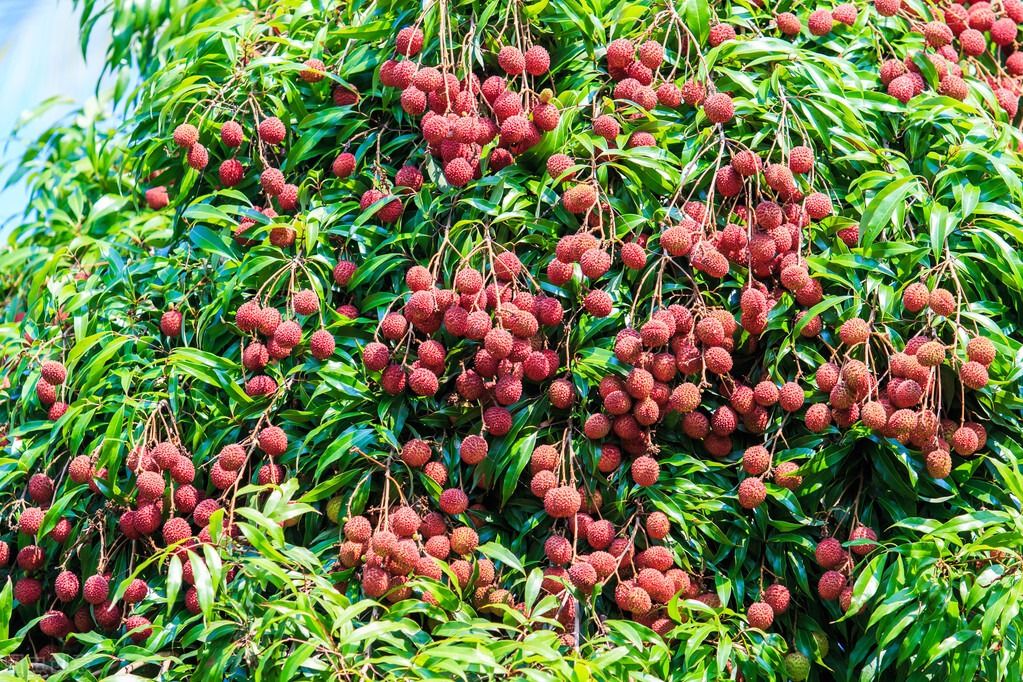
But alongside the fruit's prestige lingers the unsavoury tale of Yang Guifei (719-756) and her craving for lychees, which was supposedly symptomatic of the profligacy that marked the beginning of the decline of the Tang dynasty (618-907).
The legend goes that Emperor Xuanzong ordered fresh lychees to be rushed to the imperial palace in Chang'an (present-day Xi'an) to please Yang, his favourite consort, at great cost.
Over the centuries, many have assumed that the imperial consort's lychees came from the subtropical Lingnan region, which encompasses modern-day Guangdong, Guangxi and Hainan.
Riding nonstop on the swiftest horses, the journey from Lingnan to the capital Chang'an took about a week. Without modern refrigeration, lychees spoil in a few days, especially during summer when the fruit is in season.
Hence, a high-speed and no doubt costly system involving multiple men, horses and relay stops had to be mobilised to ensure that lychees from China's deep south were delivered to northern central China still fresh for the beautiful consort to enjoy.
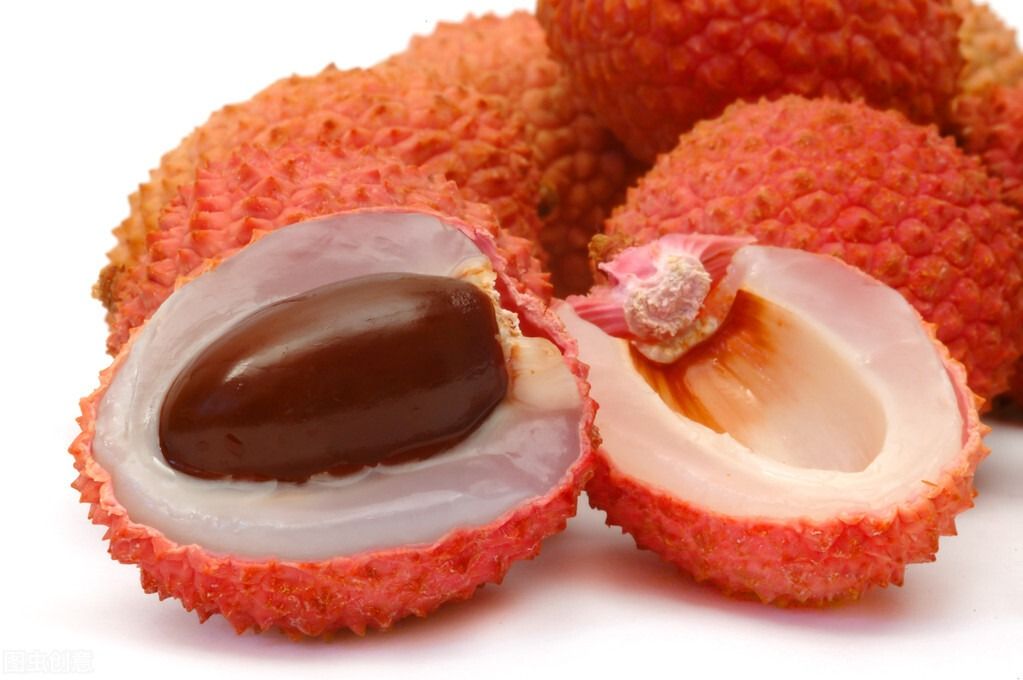
Some scholars now argue that the lychees that were delivered to Yang were not from Lingnan, but from a place called Fuzhou (present-day Fuling, in Chongqing), where lychee trees also thrived. From there, it was three days to Chang'an on horseback, just within the fruit's fleeting window of freshness.
Their arguments are supported by written records from that period, which mention that the capital's lychees were supplied by Fuzhou.
The counterargument against Fuzhou lychees cites the practice of shipping lychees still attached to branches or even planted in pots, so that the fruit could ripen en route. Sometimes, lychee branches were even grafted onto banana stalks to preserve freshness.
Whether Yang Guifei's infamous lychees were from Lingnan or Fuling, Guangdong or Chongqing, they are forever associated with the decadent excess that weakened the empire from within. - South China Morning Post