
BEIJING: A Chinese man became so obsessed with tomb-robbing fiction that he carried out a real-life heist, breaking into an ancient burial site and stealing 20 cultural relics dating back to 771 BC.
The mastermind, surnamed Yu from Hubei province in central China, read tomb-robbing novels every day.
When reading fiction no longer satisfied him, he began meticulously verifying details described in the stories, often cross-checking them with local county records when he came across questionable or vague claims.
“I just kept reading, and the more I read, the more obsessed I became. I started digging deeper: what dynasty? which important figure? how were the tombs built? Some of them really did exist,” Yu said.
His biggest fascination was the so-called mystical techniques described in the novels.
As his obsession grew, he eventually decided to put these fictional methods into practice.
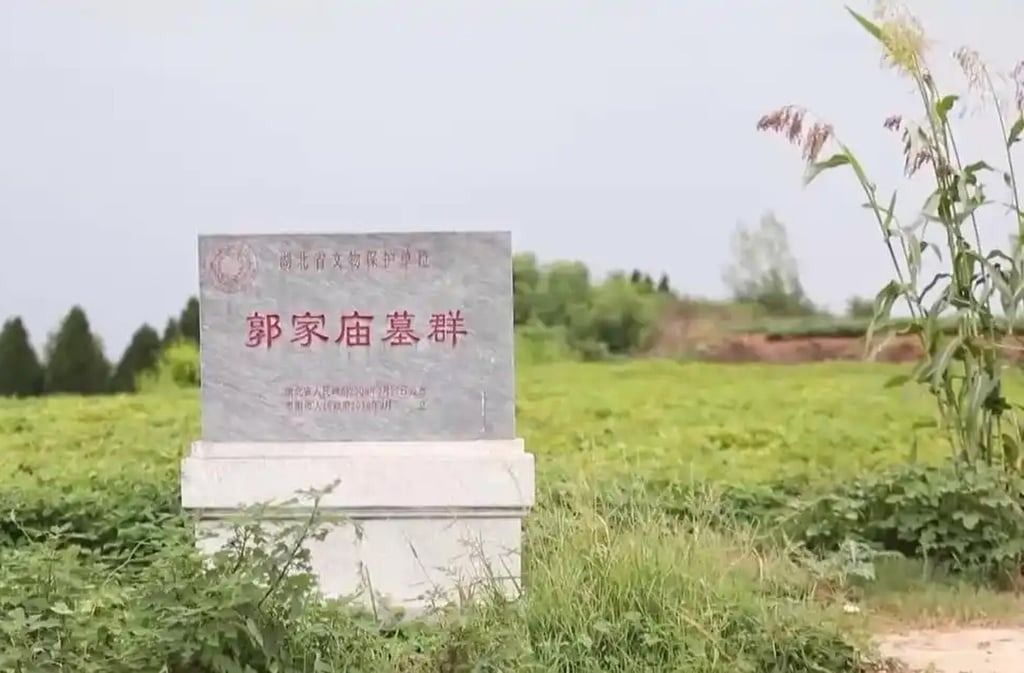
His foray into real-life tomb raiding began when a pop-up notification appeared on his phone about an archaeological discovery at the Guo Family Tombs.
The area is a protected cultural heritage site in Hubei that was first excavated more than 20 years ago during the construction of a highway.
The notification said that a large number of jade and bronze artefacts had been unearthed, which sparked Yu’s interest and led to his first illegal excavation attempt.
He quickly recruited a man surnamed Chen and other accomplices to help.
Yu later confessed that he first studied the layout of the surrounding mountain range to define a general search area.
He then used a probe and a Luoyang shovel, a specialist Chinese tool used in excavations, to gradually narrow down the location.
After two weeks of covert exploration, Yu finally identified what appeared to be the entrance to a tomb.
He then cautiously struck the first blow with the shovel.
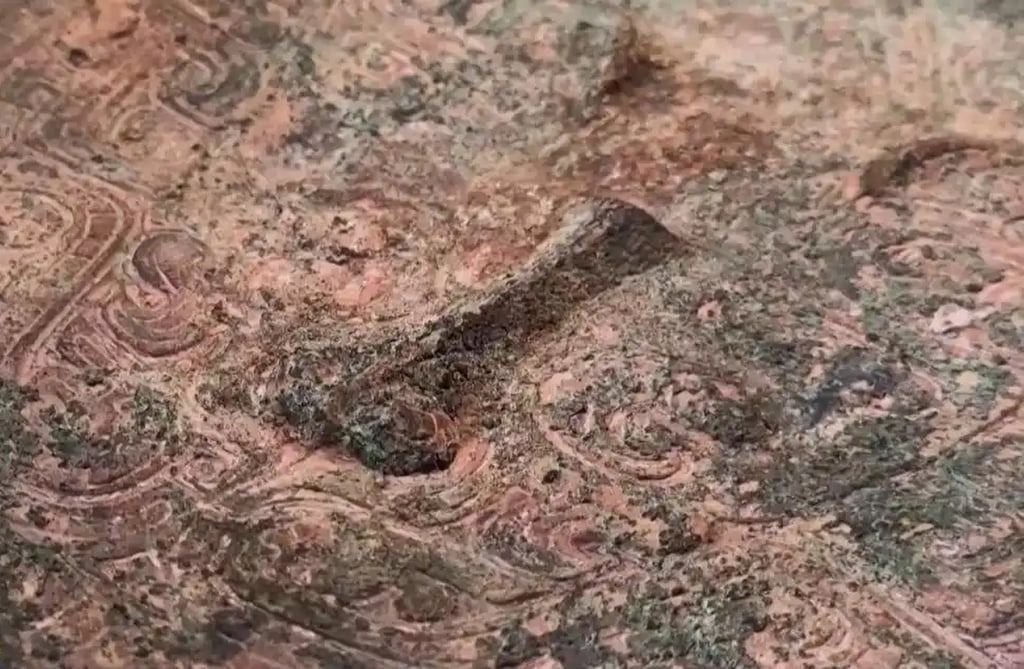
“I saw some green corrosion. If that is on the surface, then what is underneath definitely is not rock. It is bronze,” Yu reportedly said.
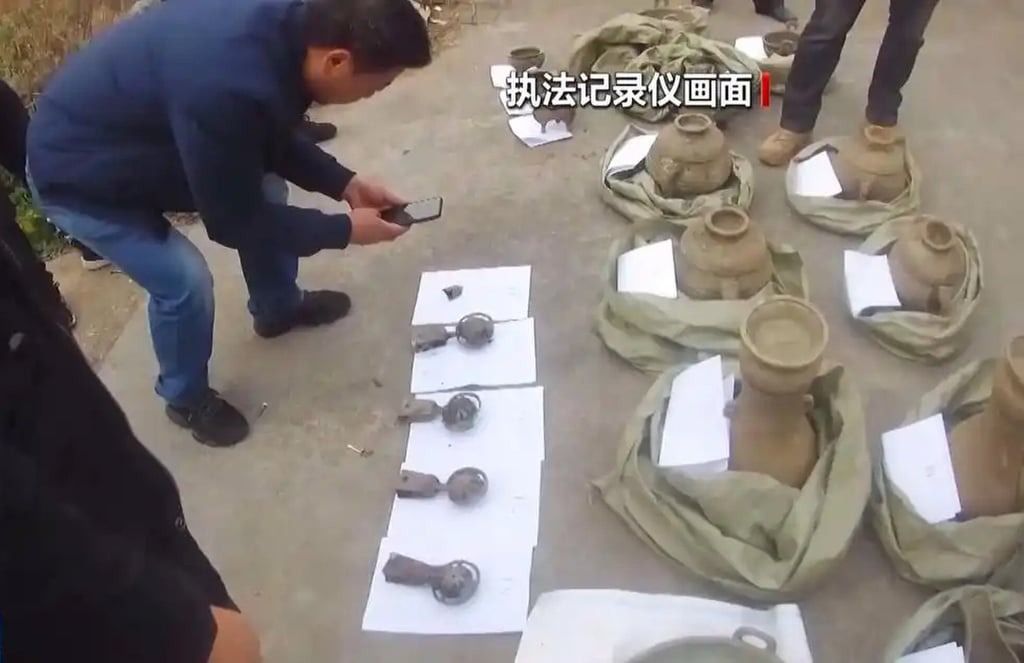
Over the course of two nights, the three men frantically excavated 20 bronze artefacts.
In an effort to quickly cash in, they contacted a man surnamed Li to act as a middleman and find a wealthy buyer.
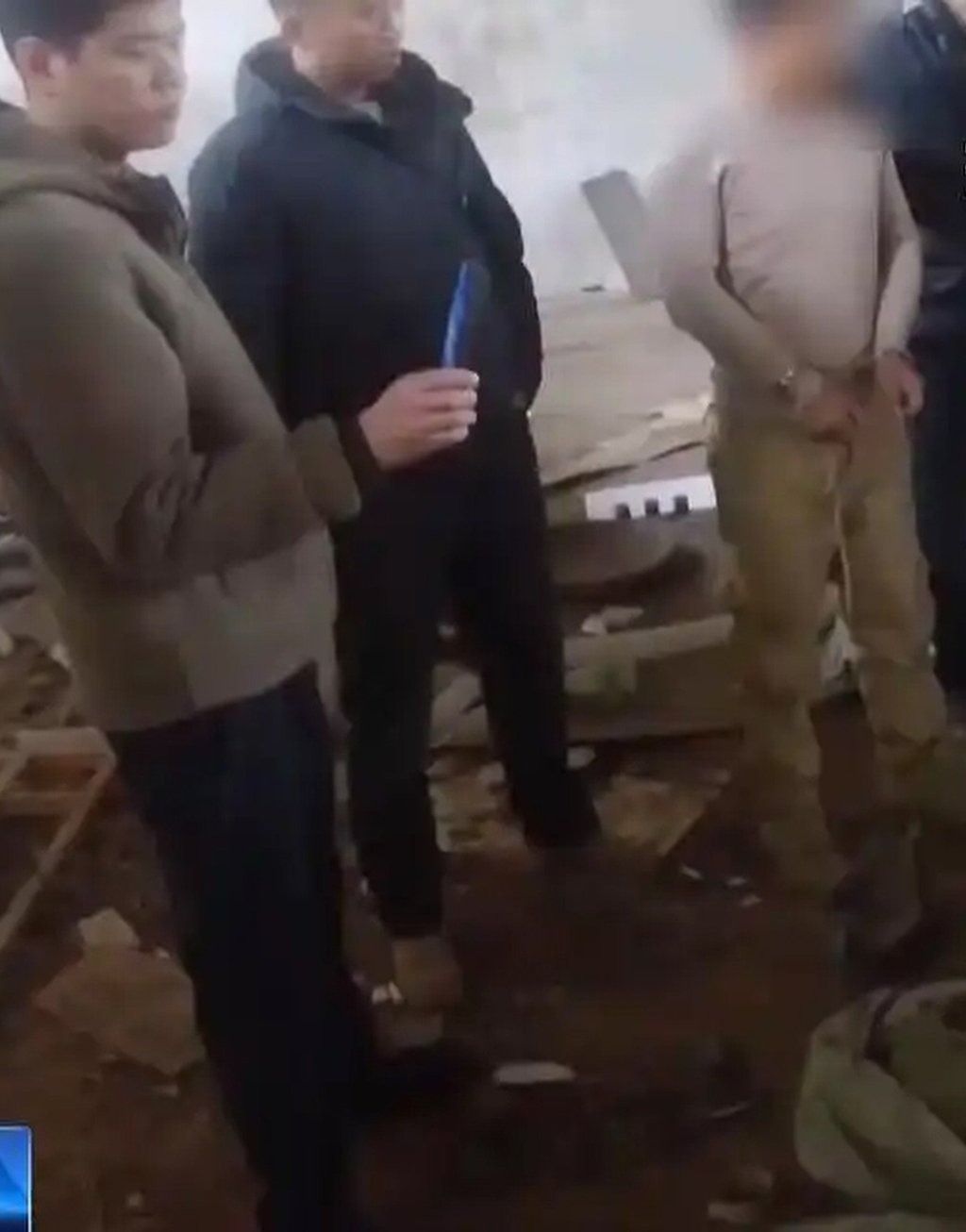
In November 2023, police posing as serious buyers agreed on a price of four million yuan (US$560,000) for 20 artefacts, ultimately leading to the arrest of all the tomb raiders.
According to experts, all 20 artefacts date back to the Spring and Autumn period (771 BC), with nine classified as national first-class cultural relics.
Following their arrests, Yu and Chen were sentenced to between 10 years and 10 years and three months in prison and fined 70,000 yuan (US$10,000) to cover archaeological rescue costs.
Li, the middleman, received three years and six months in prison for concealing criminal proceeds.
The incident, reported by state media CCTV, triggered both laughter and shock on mainland social media.
One person said: “If he put this level of effort into something productive, he could have been an excellent archaeologist.” - South China Morning Post