As the country celebrates the 80th anniversary of its declaration of independence from colonial rule, French cultural influence remains ubiquitous, but not many people in the South-East Asian nation are aware of its prevalence.
A massive military parade today will herald the independence proclaimed by revolutionary leader Ho Chi Minh on Sept 2, 1945, which was meant to end nearly a century of French rule but instead started a decade-long war until the defeated French eventually left in 1954.
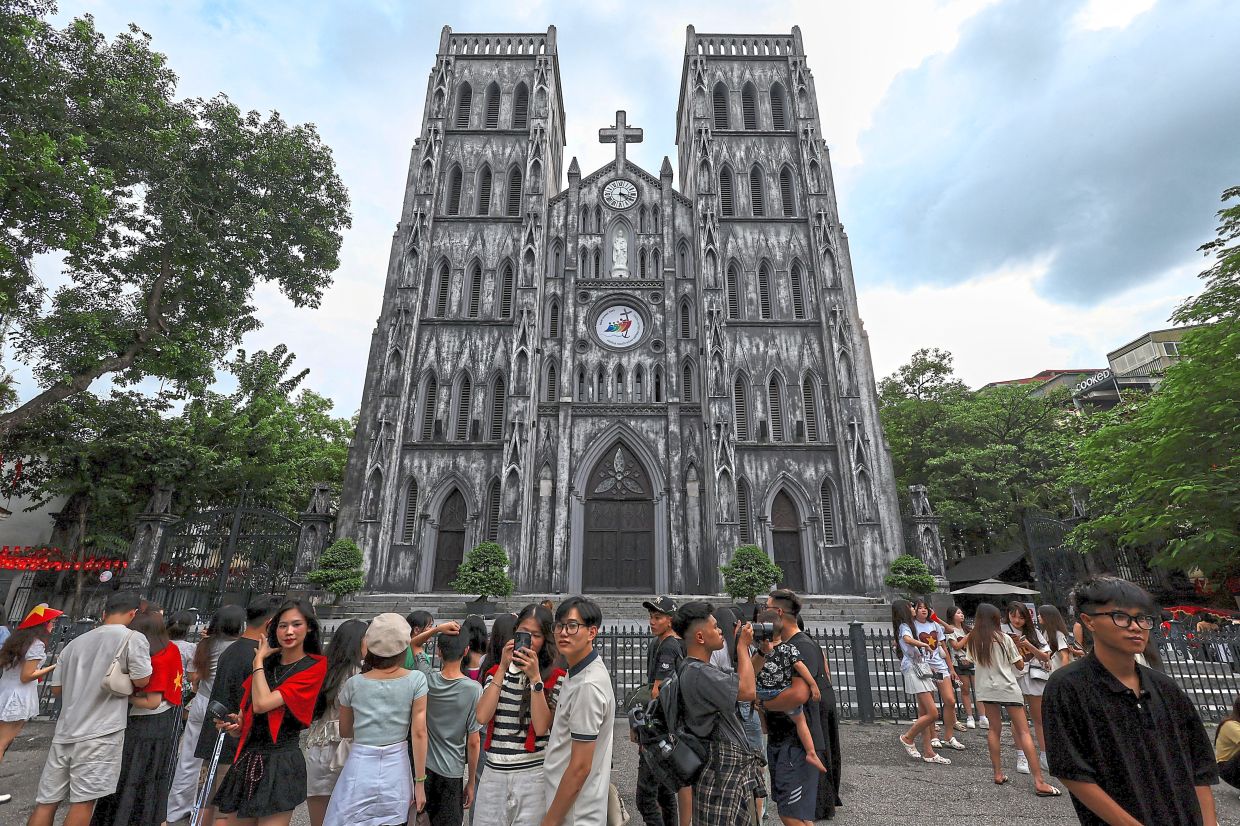
Ba Dinh Square in central Hanoi, where the legendary leader affectionately known in Vietnam as Uncle Ho, made his historical declaration, is flanked by two of the capital’s best preserved French colonial buildings – now home to the presidential palace and the foreign ministry.
But none of the six under-30 Hanoians interviewed by Reuters in front of the yellow-painted foreign ministry headquarters, a masterpiece of French Indochine style, were aware of its architectural origin.
“I came here because it has a unique architecture and it is a popular spot promoted by celebrities,” said Nguyen Thi Trang, 30, who showed surprise when told about its French origin.
Vietnam’s relations with France have moved from colonial to congenial. When French President Emmanuel Macron visited Hanoi in May, the two countries signed deals worth US$10bil (RM42.2bil), including on planes and satellites.
He was delighted when students at a university event addressed him in perfect French.
However, fluency in French, once the language of the elites in Vietnam, is increasingly rare.
Only 400 Vietnamese high-school students picked French as one of the subjects for their graduation exams this year, according to the education ministry, while more than 358,000 chose English and about 4,400 opted for Chinese.
“If I must choose, I would prefer Chinese over French as the second foreign language to study because it feels more familiar. And China is our neighbour,” said Hoang Thu Ha, a 25-year-old content creator.
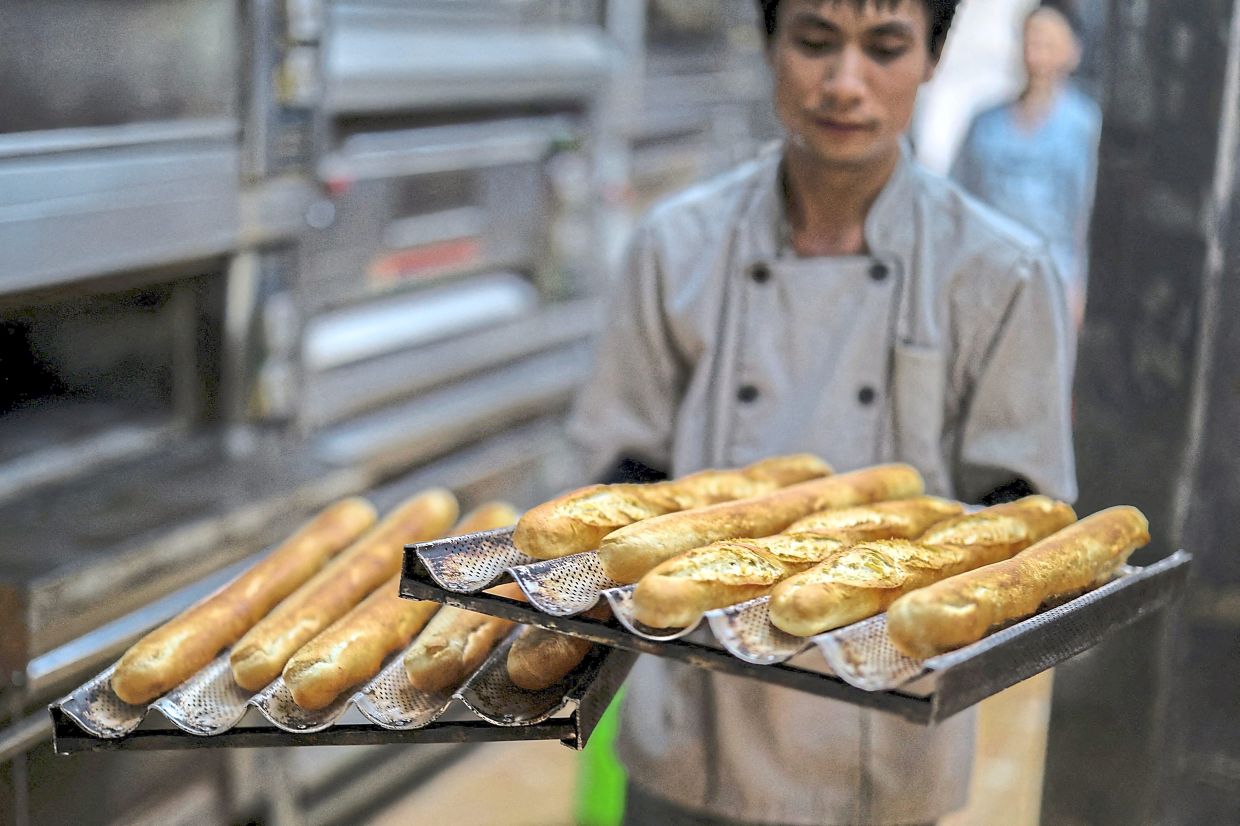
Nowhere is the French legacy more visible than in Vietnamese gastronomy.
Cafes line virtually every street, croissants are on display in myriad patisseries and pate is regularly added to local dishes.
Baguette-shaped bread is used for the most common local fast food option, known as banh mi, a savoury sandwich with unlimited fillings to please all tastes, including vegetarian.
But among the interviewed Hanoian youth, none recognised banh mi’s French roots.
Nguyen Van Hoan, a 60-year-old entrepreneur who owns a famous bakery in the Hanoi, acknowledged the French legacy in the Vietnamese love for bread.
But he added that to survive, “French cuisine has had to adapt to match Vietnamese tastes.” — Reuters