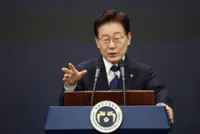
President Lee Jae Myung is set to embark on his first overseas trip focusing on bilateral diplomacy this weekend starting with a rare Japan visit that will likely set the stage for his first meeting with President Donald Trump in the United States days later.
Leaders from South Korea almost always choose the United States, the country’s key security ally, as their first destination abroad after taking office.
The decision to head to Tokyo to meet Prime Minister Shigeru Ishiba before meeting with Trump on Monday is all the more unexpected given Lee’s reputation as a fierce critic of Japan before he became president.
The itinerary appears aimed at dispelling scepticism about the South Korean president’s commitment to maintaining stable relations with Japan.
Doubts over Lee’s stance still linger even after he dropped his previous bellicose rhetoric during his presidential campaign.
“Lee will want to signal to the United States and the international community his willingness to engage with Japan on a range of issues including regional security and trade and economic security, where they share significant overlapping interests,” said Andrew Yeo, a senior fellow at the Brookings Institution.
For Ishiba the visit provides another opportunity to shore up his shaky position as leader by showcasing his ability to successfully handle key diplomatic meetings.
The trip comes just days after Lee called Japan an “indispensable partner” in a Liberation Day speech closely scrutinized for clues on his policy direction.
In another move adding clarity, Lee said in an interview with the Yomiuri newspaper published Thursday that it’s not desirable to overturn agreements with the Japanese government on the so-called comfort women and forced labour issues, even if they are hard for many Koreans to accept.
Lee’s stance differs from some previous South Korean presidents who have chosen to disregard agreements reached by their predecessors, a tendency that helped create doubt in Tokyo over how long deals with Seoul can last when a new administration takes power.
Given that he previously labelled Japan an “enemy country” among other provocative comments, Lee needs to quickly dispel the impression of lingering antipathy to show he’s a leader the United States and Japan can work with. — Bloomberg