
Anti-mosquito measures remain the most effective way to combat chikungunya fever in Hong Kong, health authorities have said, as the vaccine is neither widely used worldwide nor approved locally.
Dr Wong Hoi-kei, a senior medical and health officer from the Centre for Health Protection, also said on Monday that chikungunya fever was unlikely to become endemic in the city despite a medium to high risk of local transmission.
“The vaccine for chikungunya fever is still relatively new and has not been widely used in any countries,” he told a radio show.
“The World Health Organization and experts are still researching its safety and efficacy ... the vaccine is only used on a small scale and very high-risk individuals for now.”
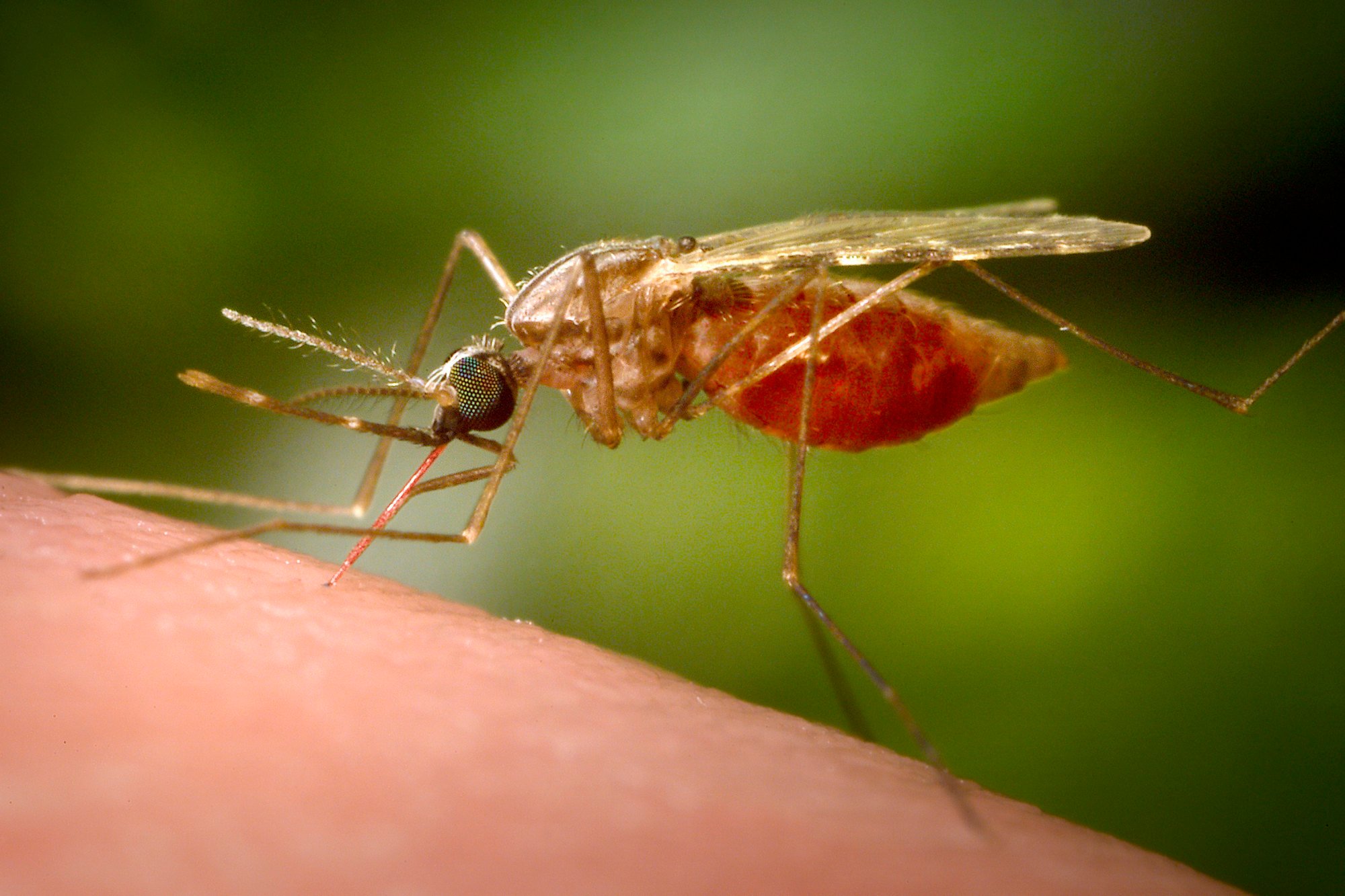
The most effective prevention was to avoid bites from mosquitoes and curb their breeding, Wong added.
He also said that although the risk of imported cases of chikungunya fever was high, it remained “within expectations” due to the frequency of travel between Hong Kong and Guangdong province.
“The possibility of the disease becoming endemic is very low as we have an effective prevention mechanism,” he said.
“But we do not rule out that there might be a medium to high risk of local transmission.”
He said this was due to the rainy weather in summer and residents’ frequent visits to Guangdong.
On Saturday, authorities confirmed that a 12-year-old boy, the city’s first chikungunya patient since 2019, had contracted the mosquito-borne disease after he travelled with his mother to the Shunde district of Foshan city in Guangdong between July 17 and 30.
Mosquito control measures at Kwun Tong’s On Tat Estate, where the boy lives, and the United Christian Hospital, where he was taken, have been strengthened.
In Guangdong, more than 2,800 new cases were recorded over the past week, mostly in Foshan.
Chikungunya fever is spread by mosquito bites, with cases typically developing fever and joint pain that can last for months or even years. Other potential symptoms include muscle pain, nausea and rashes.
From 2016 to 2019, between one and 11 cases were recorded in Hong Kong each year, all of which were imported.
Wong said the boy was considered an imported case as he was out of town during the incubation period and was only confirmed as having chikungunya when he developed a fever, rash and joint pain later on.
Health authorities in Hong Kong, Macau and Guangdong would do timely exchanges of information about their local situations, he added.
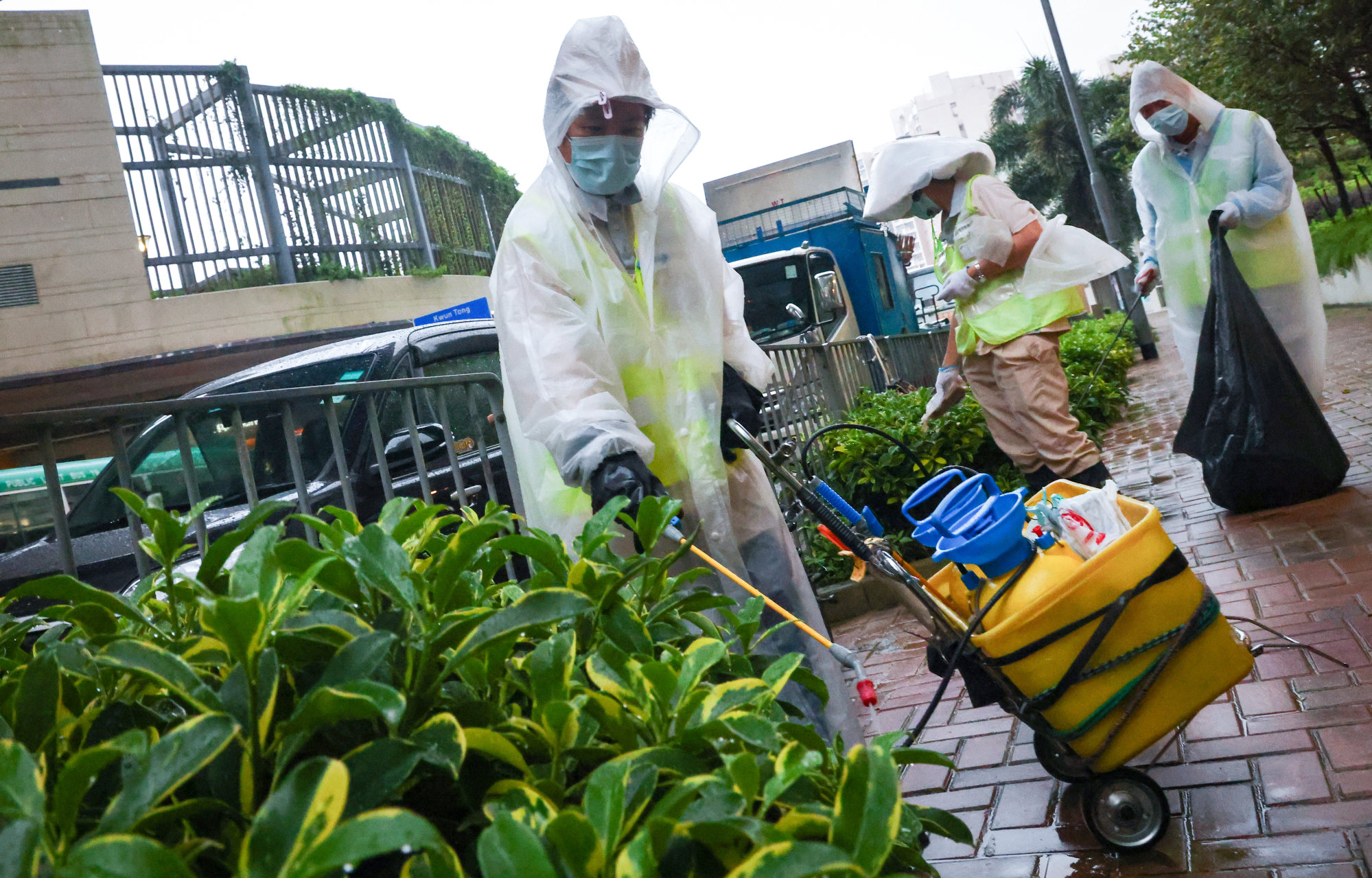
On another radio show, Wong said that Hong Kong had a robust reporting mechanism and its effective preventive measures also prevented locally transmitted cases over the past few years.
“If any doctor spots symptoms or suspects it is a case of chikungunya fever, they must report it,” he said. “Authorities will then investigate the case and take precautionary measures.”
In another letter on Sunday, the centre appealed to all doctors and hospitals in Hong Kong to watch out for symptoms, especially among patients who had travelled out of town.
Dr Mike Kwan Yat-wah, honorary clinical associate professor of paediatrics and adolescent medicine at the University of Hong Kong, said that mosquitoes were most active in the early morning and evenings.
“Wear loose long-sleeved tops and trousers to reduce exposed parts of the body,” he said on a radio show.
He also recommended avoiding fragrant cosmetics and perfumes and using insect repellent containing DEET, which masks the odour that attracts mosquitoes to humans. - SOUTH CHINA MORNING POST