
Scientists in China have developed the world’s first 3D model of early mouse embryos, revealing how life forms in its initial stages at single-cell resolution.
The team said this was a first step towards a deeper understanding of how diseases such as congenital heart defects develop, while providing insights into organ regeneration and cancer treatment.
“Early organogenesis is a crucial stage in embryonic development, characterised by extensive cell fate specification to initiate organ formation but also by a high susceptibility to developmental defects,” they wrote in an article published in the peer-reviewed journal Cell last week.
The researchers are from Southeast University in Nanjing, BGI-Research, Fujian Medical University, Sichuan University, the Chinese University of Hong Kong-Shenzhen, Guangzhou Laboratory and the University of Science and Technology of China.
Cell fate specification is the process where cells are guided by molecular signals and genetic cues towards developing into cell types with different functions.
“A single fertilised egg gives rise to hundreds of cell types that form different tissues and organs. This process is intricately orchestrated. If abnormalities occur, they are likely to lead to diseases,” co-corresponding author Fang Xiaodong, vice-president of BGI-Research, said.
In the study, the team profiled six embryos at the end of the first week of gestation when key structures such as the heart tube, primitive gut tube and head fold emerge. The pregnancy duration of mice is around three weeks.
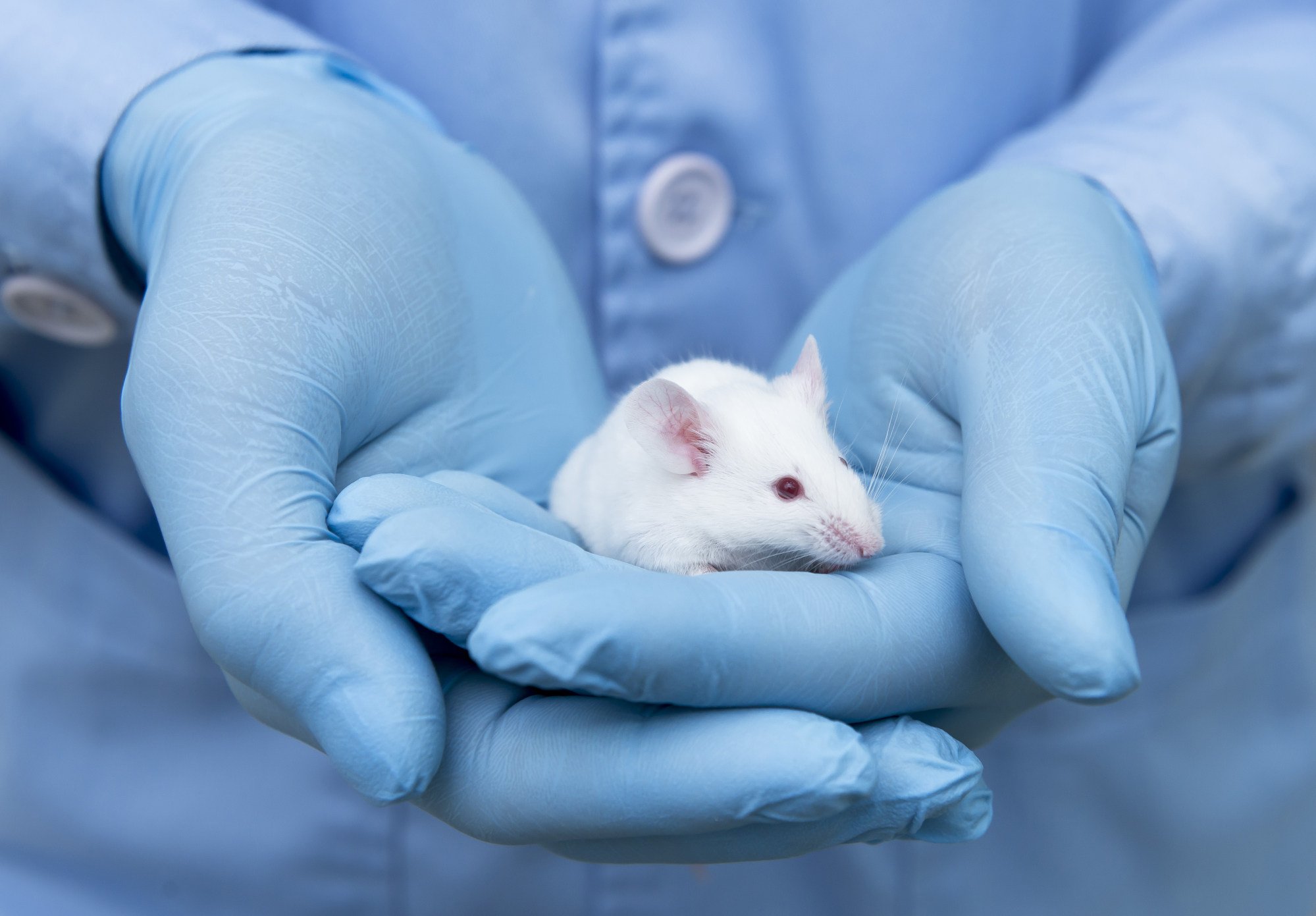
Based on the analysis of more than 100,000 cells of 34 cell types, the team built a digital embryo, marking each individual cell with a spatial coordinate.
“This 3D reconstructed embryo ... enables us to explore the spatial cell atlas and to trace the morphological changes,” they wrote.
Fang said the model served as a reference for scientists to compare their samples to identify abnormalities in early organ development with high precision at the cell type and gene levels.
“Scientists can better study the underlying causes and mechanisms of abnormalities, as well as develop strategies and medicines for intervention and treatment,” he said.
The work could be further expanded to cover other stages of embryonic and fetal development in different species, establishing these models as standard references, Fang said.
He said reconstructing how organs form could shed light on the path to organ regeneration, the current solution to organ failure when most human organs lack the ability to regenerate.
“Organ regeneration, involving cell differentiation [the process of a cell developing into a specialised cell type] and cell fate determination, could be seen as recreating the developmental process.
“We can gain insights into organ regeneration by understanding normal developmental processes. For example, in the heart, what cell types and gene expression signals are involved in initiating its formation? These factors are closely related to organ regeneration and can provide valuable references.”
Fang said the same approach could be applied to study the internal structures of tumours.
“We have started projects with collaborators to build 3D models of tumours. To better understand mutations and cell types in tumours, we aim to reconstruct digital tumours using methods similar to those used for mouse embryos. The model can show the distribution of tumour, immune and other cells.
“Characteristics of tumour internal structure could be analysed along with how patients respond to treatment and its effectiveness to improve clinical outcomes,” he said.
Fang said the study was part of a broader effort to transform biological questions into big data problems, allowing scientists from other fields to contribute to life sciences.
“A discipline can only thrive and develop faster if it is open to researchers from other fields,” he said, citing how these models could generate vast amounts of high-quality data for artificial intelligence as an example. - SOUTH CHINA MORNING POST