
The Hong Kong branch of a Singapore-based private club that closed after less than a year in business is undergoing liquidation with debts of about HK$20 million (US$2.5 million), former employees have said.
Financial difficulties forced 1880 Hong Kong, located at Two Taikoo Place in Quarry Bay, to shut its doors on Friday last week, leaving 100 employees without pay for two months and some members angered by sales made shortly before the closure.
It also owed rent to its landlord, Swire Properties.
Two former employees told the Post on Tuesday that the cash-strapped club had gone into liquidation, blaming the failure on the company’s poor financial planning and governance.
Both said that the landlord made a substantial capital investment in the fixed assets, while the club only had to take care of operations. One said that Swire’s capital investment amounted to more than HK$170 million.
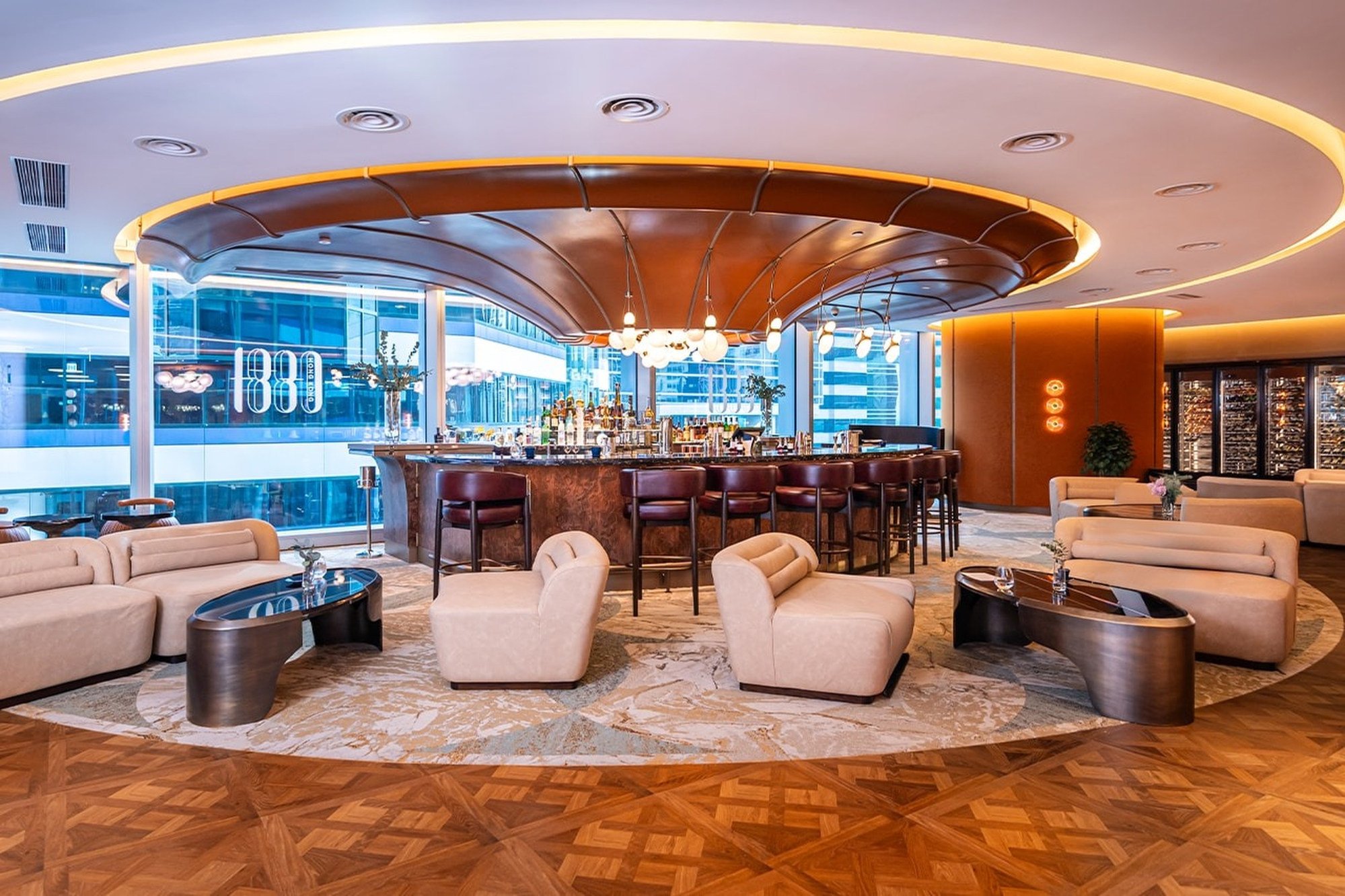
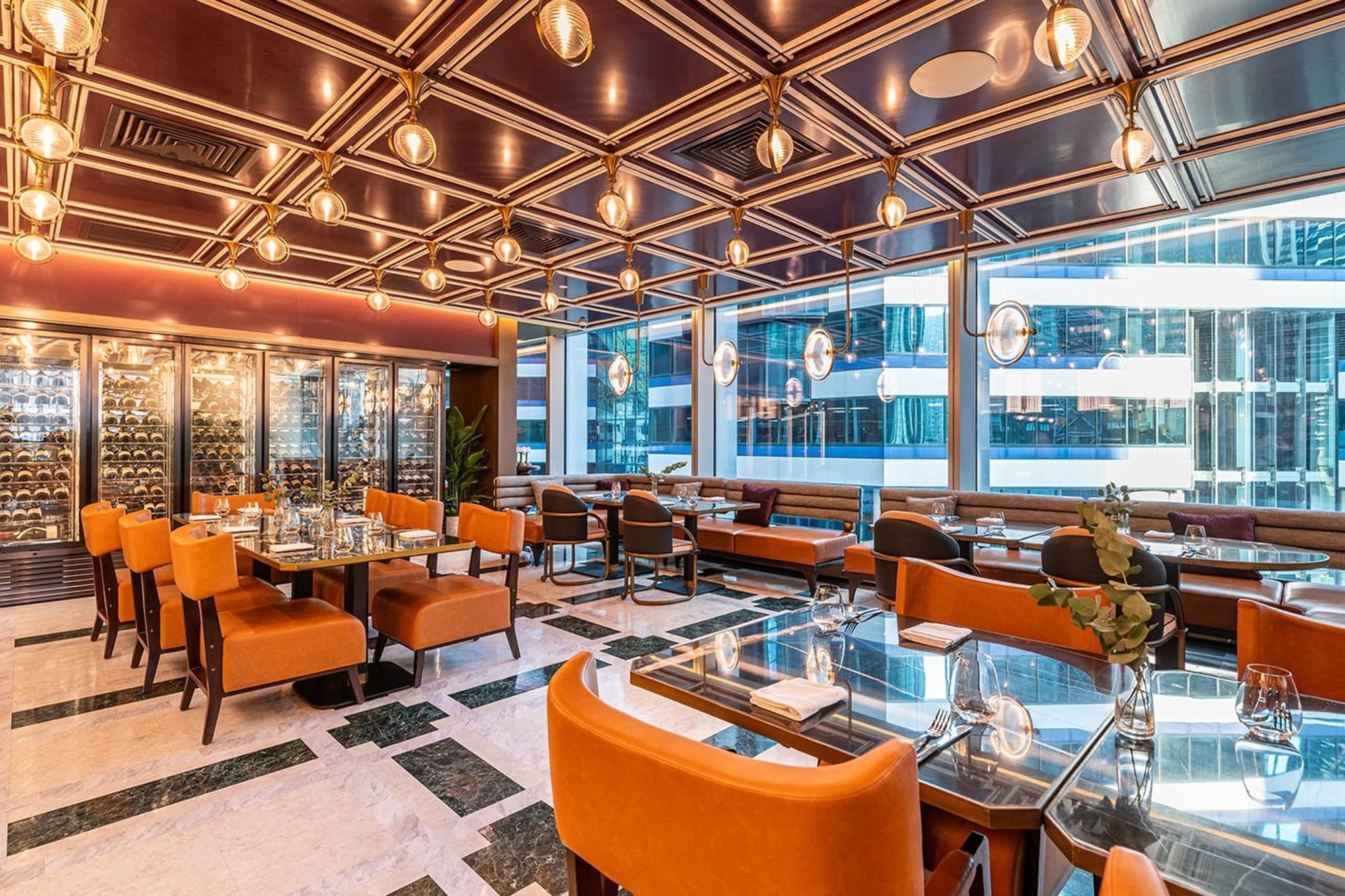
The club, which opened on November 8 last year, occupied four floors offering event spaces, a gym with spa facilities, four restaurants, a cocktail bar and a sports bar.
Each member had to pay a joining fee of about HK$24,000 and a monthly subscription fee of HK$1,300, or HK$14,000 for a full year, according to the founding member rates seen by the Post.
“Still, the company could not run the club properly because it did not understand how Hong Kong works and did no due diligence. It just assumed the city was going to be the same as Singapore,” one middle-ranking employee said.
“It was suffering from cash-flow problems from day one.”
He said the senior management made a string of poor decisions, including hiring more than a dozen staff members for each of their five kitchens long before the restaurants opened and ordering tens of thousands of cake packaging materials for an eatery that did not sell cakes.
“But when an employee at a lower rank tried to speak up, they did not listen,” he said. “November was the last month I received my salary on time.”
The company had not managed to pay all of its staff on time since December last year, with the landlord returning a deposit at one point to help it pay wages, but priority was given to junior employees.
He also said the club had struggled to pay its suppliers since February and had asked to settle the payments in instalments. But it failed to honour the arrangement, placing immense pressure on frontline staff, he added.
“In the end, we were only paying those whom we desperately needed to keep the club in business,” the middle-ranking employee said.
In the first week of May, founder Marc Nicolson held a town hall meeting to reassure all staff that a “very big investor” was coming to save the business, he said.
Despite being in a dire financial situation, the club kept recruiting new members, with the last one joining in mid-May, just about two weeks before the closure.
The same employee said the company’s Singaporean leadership had sent in support before the opening in November, but they stopped in January this year.
He said he believed the company still owed staff members about HK$4 million in unpaid wages and around HK$15 million to suppliers and its landlord.
Another employee, who was transferred from Singapore to the Hong Kong club in August, said he was owed more than HK$100,000 in unpaid wages dating back to April, as well as payment in lieu of notice.
Comparing the operation of the clubs in Singapore and Hong Kong, he said the one in the city state had a much smaller floor area but was exclusive to its 2,000 members.
But the Hong Kong branch had a larger floor size and was partly open to the public, making it far less attractive to sign up as a member.
He said that all the restaurants had failed to hit their targets, even after a downward adjustment, with the amount being made by the food outlets “definitely below HK$1 million monthly”.
He also said the company did not pay suppliers for months, and they had only accepted cash on delivery since March.
“I just pray they find the money to pay the staff because they really believed in the company, even when wages were delayed for weeks and came to work until the last day. Some of us even took a loan to come to work,” he said.
“They could have been honest about it and told us the truth in the last two, three months ... it’s really unethical for them to do this.”
He said that returning to Singapore was difficult because it would mean breaking his lease and losing his deposit. The head office would not cover his loss either because he had signed a new contract with the Hong Kong branch, he added.
The group previously announced plans to expand to Bali, with the construction of a resort largely completed before the project was shut down late last year.
A spokeswoman for Swire said the landlord was unable to disclose any financial details related to specific tenants.
Hong Kong’s Labour Department and the Customs and Excise Department said they had received complaints and were following up on the matter.
The Consumer Council said it had yet to receive any complaints related to the club.
The Post has reached out to the club and its founder for comment.