




Chinese scientists have developed an artificial intelligence system that can distinguish real nuclear warheads from decoys, marking the world’s first AI-driven solution for arms control verification.
The technology, disclosed in a peer-reviewed paper published in April by researchers with the China Institute of Atomic Energy (CIAE), could bolster Beijing’s stance in stalled international disarmament talks while fuelling debate on the role of AI in managing weapons of mass destruction.
The project, which is built on a protocol jointly proposed by Chinese and American scientists more than a decade ago, faced three monumental hurdles.
These were – training and testing the AI using sensitive nuclear data (including real warhead specifications); convincing Chinese military leaders that the system would not leak tech secrets; and persuading sceptical nations, particularly the United States, to abandon Cold War-era verification methods.
So far, only the first step has been cleared.
“Due to the classified nature of nuclear warheads and component designs, specific data cannot be disclosed here,” the CIAE team wrote in their Atomic Energy Science and Technology paper.
The admission highlights the delicate balance between scientific transparency and inevitable opacity around nuclear arms control efforts.
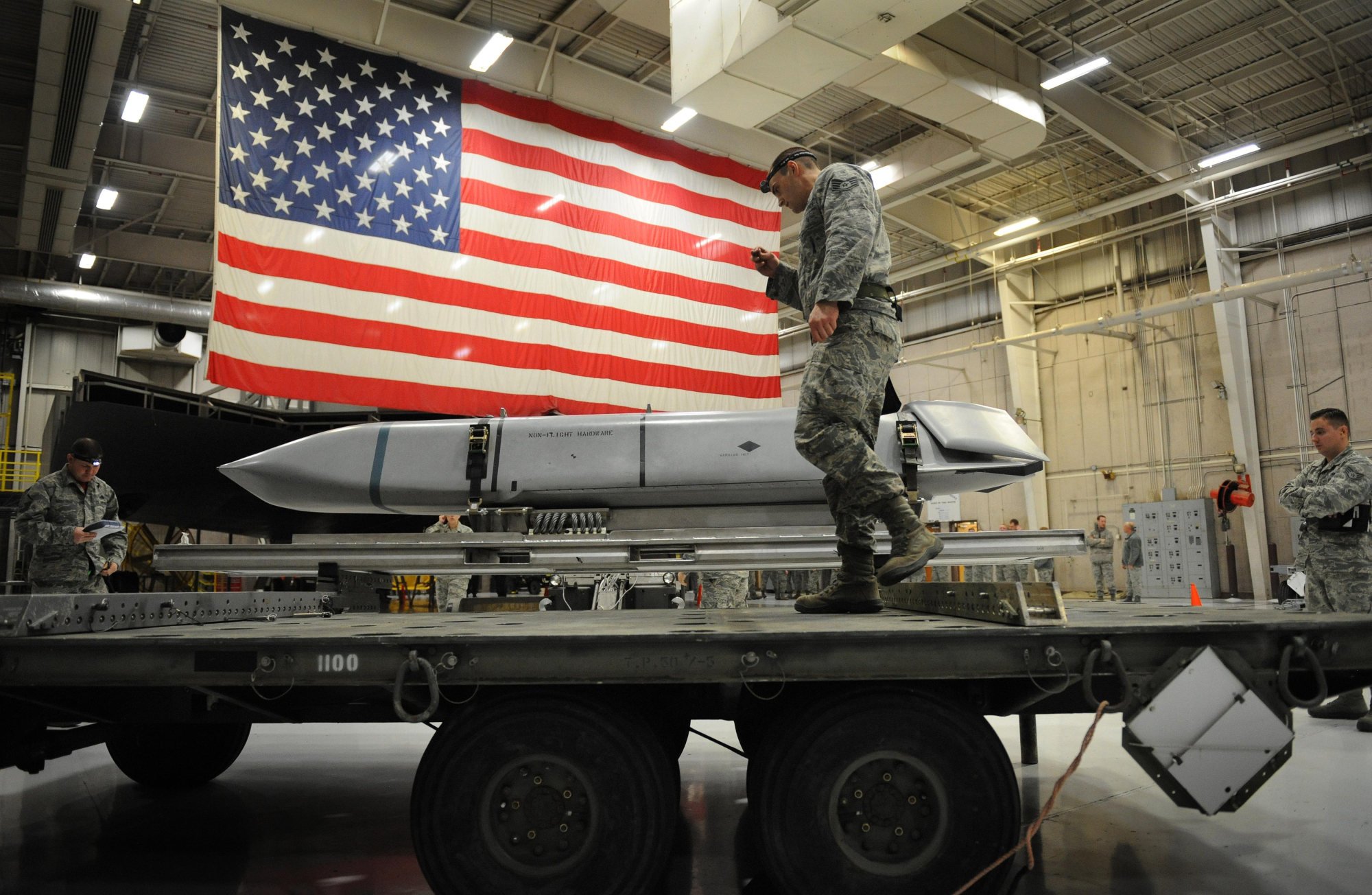
The AI verification protocol, dubbed “Verification Technical Scheme for Deep Learning Algorithm Based on Interactive Zero Knowledge Protocol”, employs a multiple-stage process blending cryptography and nuclear physics.
Using Monte Carlo simulations, researchers generated millions of virtual nuclear components – some containing weapons-grade uranium, others disguised with lead or low-enriched materials.
A many-layer deep learning network was trained on neutron flux patterns, achieving extremely high accuracy in distinguishing real warheads.
To prevent the AI gaining direct access to top-secret nuclear weapon design, a 400-hole polythene wall was erected between the inspection system and real warhead, scrambling neutron signals and masking warhead geometries while allowing radiation signatures to pass.
If inspectors and host nations engage in several rounds of randomised verification, deception odds can be reduced to nearly zero, according to the study.
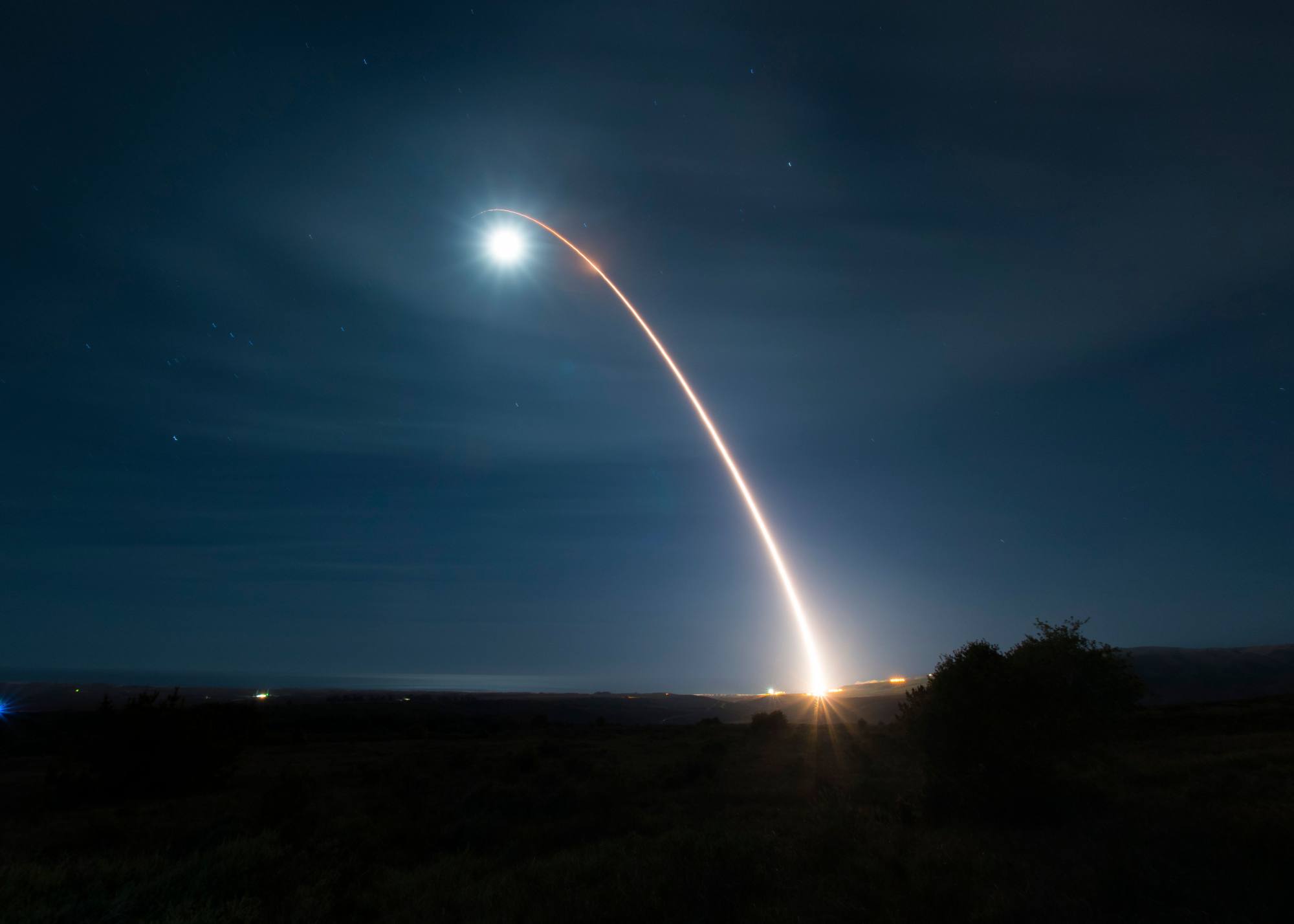
The system’s linchpin lies in its ability to verify chain-reaction capability – the essence of nuclear weapons – without exposing design details. The AI knows nothing about the warhead’s engineering, but it can still determine authenticity through partially obscured radiation signals.
CIAE, a subsidiary of the China National Nuclear Corporation (CNNC), serves as a critical research hub for nuclear weapons technology.
Yu Min, a nuclear physicist from the institute, pioneered groundbreaking advancements in miniaturising China’s nuclear arsenal, devising unique technical solutions that earned him the revered title of “Father of China’s Hydrogen Bomb”.
The disclosure arrives amid frozen US-China nuclear negotiations. While US President Donald Trump repeatedly sought to restart talks, Beijing has resisted, citing disparities in arsenal sizes (China’s estimated 600 warheads vs America’s 3,748) and distrust of legacy verification methods.
“In nuclear warhead component verification for arms control, it is critical to ensure that sensitive weapon design information is not acquired by inspectors while maintaining verification effectiveness,” the CIAE team wrote.
“Current solutions primarily rely on information barrier methods developed by national laboratories in Britain, the United States and Russia. These barriers constitute complex automated systems that process highly classified measurement data during inspections, ultimately displaying only binary ‘yes/no’ results.
“However, such systems suffer from multiple drawbacks: their inherent complexity demands mutual trust between inspecting and inspected parties against hidden back doors, while excessive dependence on electronic systems creates vulnerabilities for potential exploitation of electronic/IT back doors to illicitly access sensitive information,” they added.
To ensure thrust and transparency, the CIAE team said that the AI could be jointly coded, trained and verified by the inspecting and inspected party. Before testing the nuclear warheads, the AI deep learning software “must be sealed”, they said.
The technology’s unveiling coincides with heightened global anxiety over AI militarisation.
While Washington and Beijing have jointly banned AI from nuclear launch decisions, the construction and deployment of large-scale smart defence infrastructure such as the Golden Dome proposed by the Trump administration would inevitably employ AI to guide or even control automated weapons to achieve quick response on a global scale. -- South China Morning Post


