




As an avid collector of modern and contemporary art, Hong Kong fintech millionaire Kenneth’s latest splurge is a whimsical luxury watch with a HK$2 million (US$242,000) price tag.
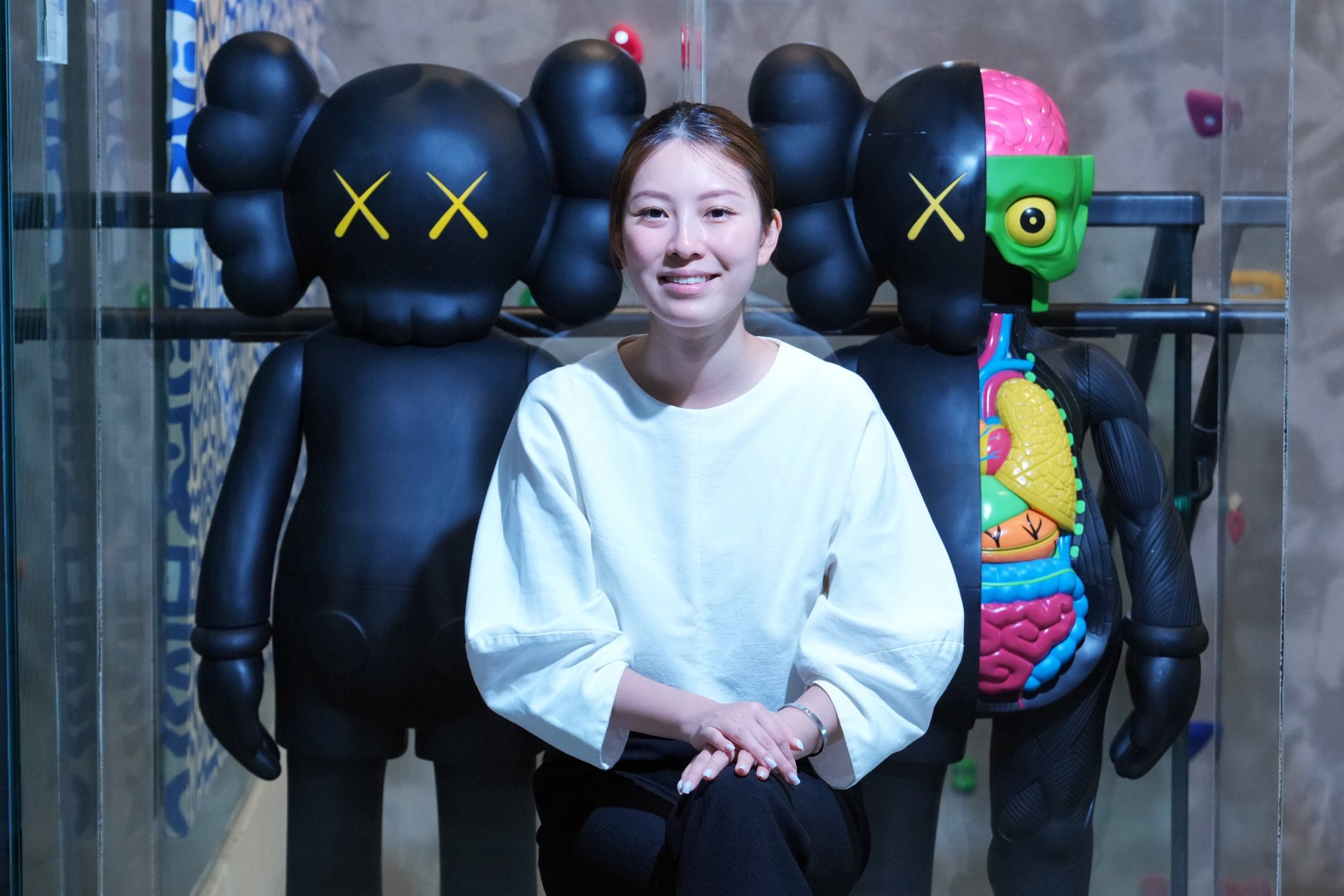
The limited edition timepiece by Swiss watchmaker Audemars Piguet features Companion, the toy character with a skull, crossbones and gloves by American Brian Donnelly, better known as Kaws.
The artist and designer first turned his Companion character into toys in 1999, selling out immediately. It is now one of the most valuable intellectual property (IP) products globally.
Kenneth’s love for Kaws has seen him spending more than HK$3.2 million on about 40 toys over the years, including two 1.2-metre (four-foot) Companion figures, a dozen smaller figurines and his most recent acquisition, the watch.
Only 250 Kaws watches were made. Kenneth’s superfan status landed him an invitation to the launch party in Switzerland last November.
His other favourite artist in the IP “goods economy” is Hong Kong sculptor Michael Lau Kin-man, who started making figurines in the 1990s with elements of street culture and is often regarded as the “godfather” of designer toys in the city.
“They aren’t just creating objects, they’re telling bold stories and challenging the norm,” he said. Kenneth, who is in his forties and asked to be identified by his first name only, started his online payment business in the late 1990s.
Hong Kong is eyeing the IP goods economy that has taken off in mainland China and globally, with potential to grow into a US$50 billion market.
Known by the Chinese term guzi on the mainland, these goods include designer toys and figurines, and merchandise such as pins, trading cards and various collaborations between creators and major brands.
Toy characters such as Kaws’ Companion, Molly by Hongkonger Kenny Wong Shun-ming and Chiikawa by Japanese artist Nagano spin franchises and global collectors into a frenzy every time a new item turns up.
The fan base for such items on the mainland alone is expected to grow to 520 million by next year, while the IP goods economy there is forecast to almost double from 169 billion yuan (US$23.2 billion) last year to 300 billion yuan by 2029.
Experts and creators in Hong Kong said the city must come up with distinctive, relatable products that reflect its unique characteristics, or risk losing out to other Asian economies.
Finance chief Paul Chan Mo-po first mentioned the potential in the IP goods economy in March. He announced that the government would support producers in advancing more than 30 cultural IP projects over the next five years by offering tax deductions for rights licensing fees.
He said Hong Kong creators could combine the cultures of East and West and, with their good understanding of mainland and international perspectives, create winning content.
IP-intensive industries contributed to almost a third of the city’s gross domestic product between 2019 and 2021, or nearly HK$878 billion, and created over a million jobs, according to the Intellectual Property Department.
Labubu mania shows the potential
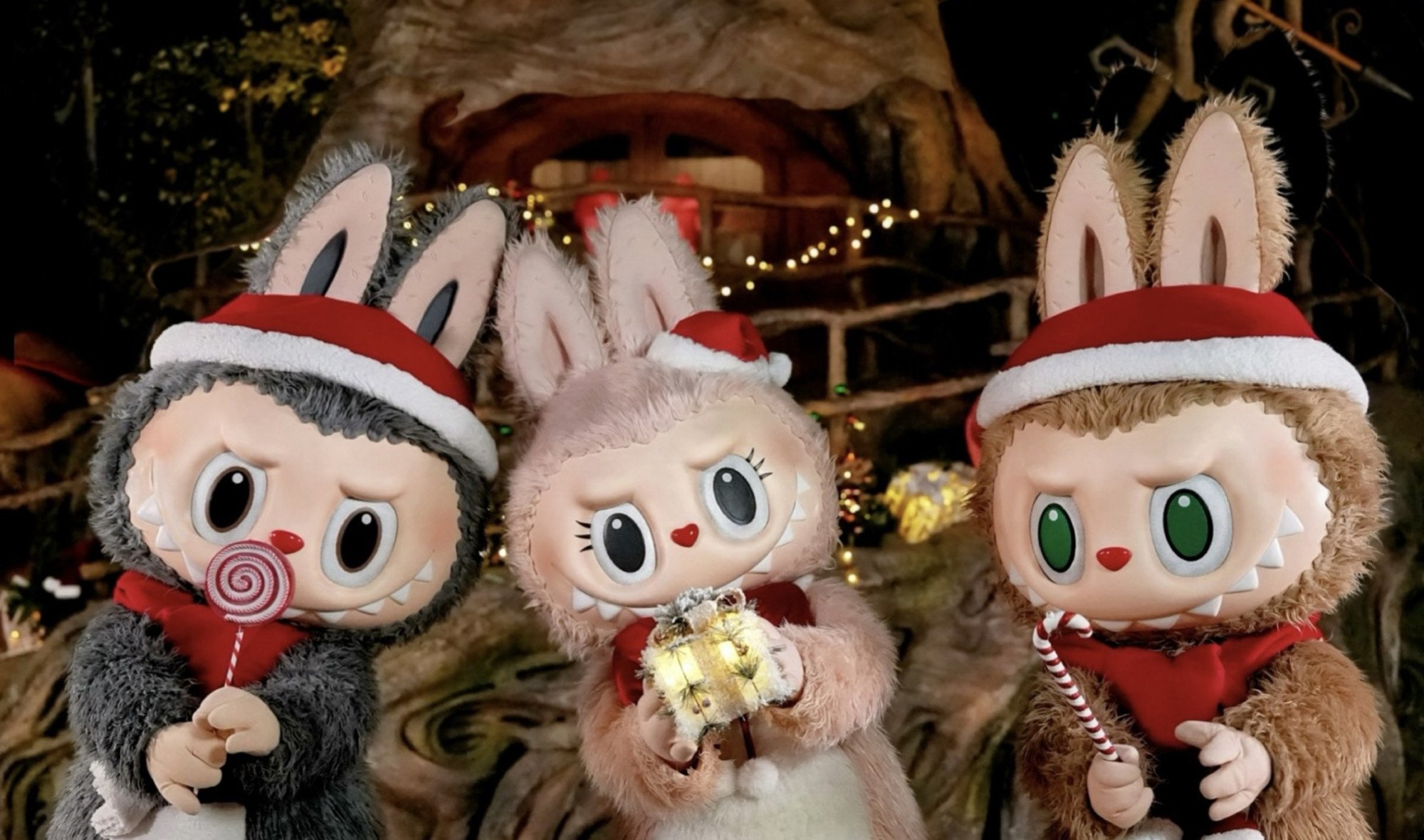
Hong Kong-listed toy company Pop Mart, the scene’s current market leader, scored a global sensation last year with Labubu, a mischievous monster with bunny ears and a cheeky grin.
Labubu was created in 2015 by Hong Kong-born artist Lung Ka-sing, 52, who splits his time between the city and Antwerp, Belgium.
He created a whole family of elfish monsters. Labubu took off in 2019, when Pop Mart included it in a line of plush toys for the mass market.
Then Thai singer, dancer and actress Lisa, a member of the K-pop girl group Blackpink, was seen with various versions of the toy last year and fans everywhere could not get enough of it.

The company’s stock soared on Labubu mania. Each launch of eight to 10 designs of the toy character in different outfits or poses sells at HK$81 (US$10.37) and almost always sells out online.
Last year’s Monsters IP series, which included Labubu, generated 3 billion yuan in revenue, a year-on-year growth of 726.6 per cent, according to Pop Mart’s annual report.
Its overseas segment saw explosive revenue growth of more than 475 per cent, compared with over 95 per cent in the Chinese market.
Just last week, Pop Mart had to halt the sale of Labubu dolls in UK shops “to ensure the safety and comfort of everyone”, after fans formed long queues and fought over the plush toys on the shelves.
Before Labubu, the company already had a thriving toy business on the mainland for a decade.
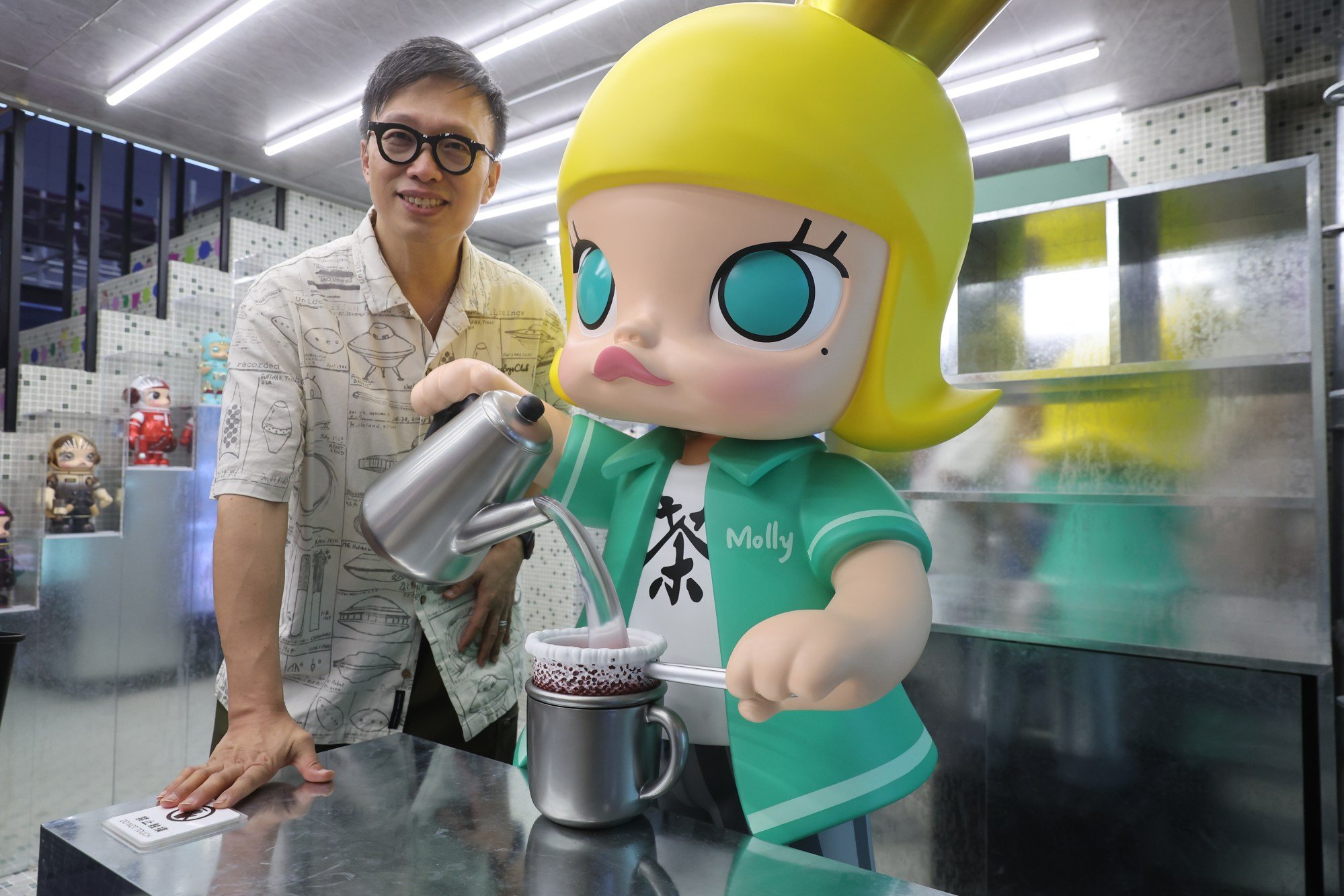
The 2016 launch of Molly sparked a huge social media craze. The character generated more than a fifth of Pop Mart’s 100 million yuan revenue last year.
Wong, in his mid-fifties, created Molly in 2006. He told the Post it represented his determination to achieve things others said he could not do.
“I wanted to inspire Hongkongers and everyone else to share a resilience when facing challenges,” he said.
He started designing toys with two partners in 2000 under their Brotherworkers series, with characters inspired by Hong Kong’s working class.
He said he faced “all challenges possible” before he sold Molly’s exclusive rights to Pop Mart.
“I encountered everything from lack of capital, lack of venues, lack of resources and poor sales at fairs,” he said.
“I started in Hong Kong, but the Chinese market allowed me to grow. After working with Pop Mart, I could push Molly to greater heights.”
Also popular in East Asia is Chiikawa, which means “something small and cute” in Japanese.
The web comic turned anime hamster character created by Nagano has captured hearts with its adorable looks while exploring deeper themes like survival and failure.
The Chiikawa phenomenon has also resulted in chaos in shops and inflated prices on the resale market.
A recent pop-up in the Harbour City shopping centre in Tsim Sha Tsui saw thousands of fans lining up overnight and scenes of brawling with alleged scalpers.
Social media connects, sparks sales
Labubu, Molly and another IP character under Pop Mart, Pucky, were represented at a trade fair in Shenzhen on May 22.
The organiser said he hoped to remind consumers that all these popular dolls were created by Hongkongers.
Hong Kong’s Cultural and Creative Industries Development Agency was also there to promote the city’s cultural industries.
Fair visitor Siri Tang Ziyi, 22, from Jiangsu province, said she owned more than 70 Molly dolls and loved them for their pouting expression.
A fan for five years, the university student said: “My parents would ask if I gambled away my pocket money, but I spent it on these toys. When I am feeling down or stressed, the dolls provide emotional support and comfort me.”
Her regular purchases included “blind box” offers, where buyers did not know exactly what they were getting until they opened the package. The boxes might include items they already owned, but fans liked the elements of mystery and surprise.
“I admit sometimes it is an impulsive purchase because I don’t know what I can do with them,” she said.
Shen Hao, a marketing professor at the Chinese University of Hong Kong, said the IP products craze was fuelled by social media.
“People can easily find others online who have similar interests, to discuss and share photos, and they get a lot of likes or can even trade their toys,” he said.
“This creates an immersive experience to interact with each other and feel connected as a group.”
While some products were designed to look adorable and appealing, others, like Ne Zha, the deity in the mainland’s highest-grossing film, Ne Zha 2, took some time to gain popularity.
“Not everyone who sees it initially will like it, but once it becomes popular, it becomes desirable to own, so consumers are influenced by others to think it is special,” Shen said.
Roy Ying Fai, senior lecturer at Hang Seng University’s department of marketing, said the success of many IP characters stemmed from having a backstory that tugged at consumers’ heartstrings and created an emotional appeal.
“Many companies that own these IP products work hard to create interesting background stories and push out new products every month,” he said.
The blind-box format and the toys’ relatively low cost also kept fans coming back, he added.
Labubu’s success had raised interest in other characters in Pop Mart’s The Monsters series, growing the franchise, Ying said.
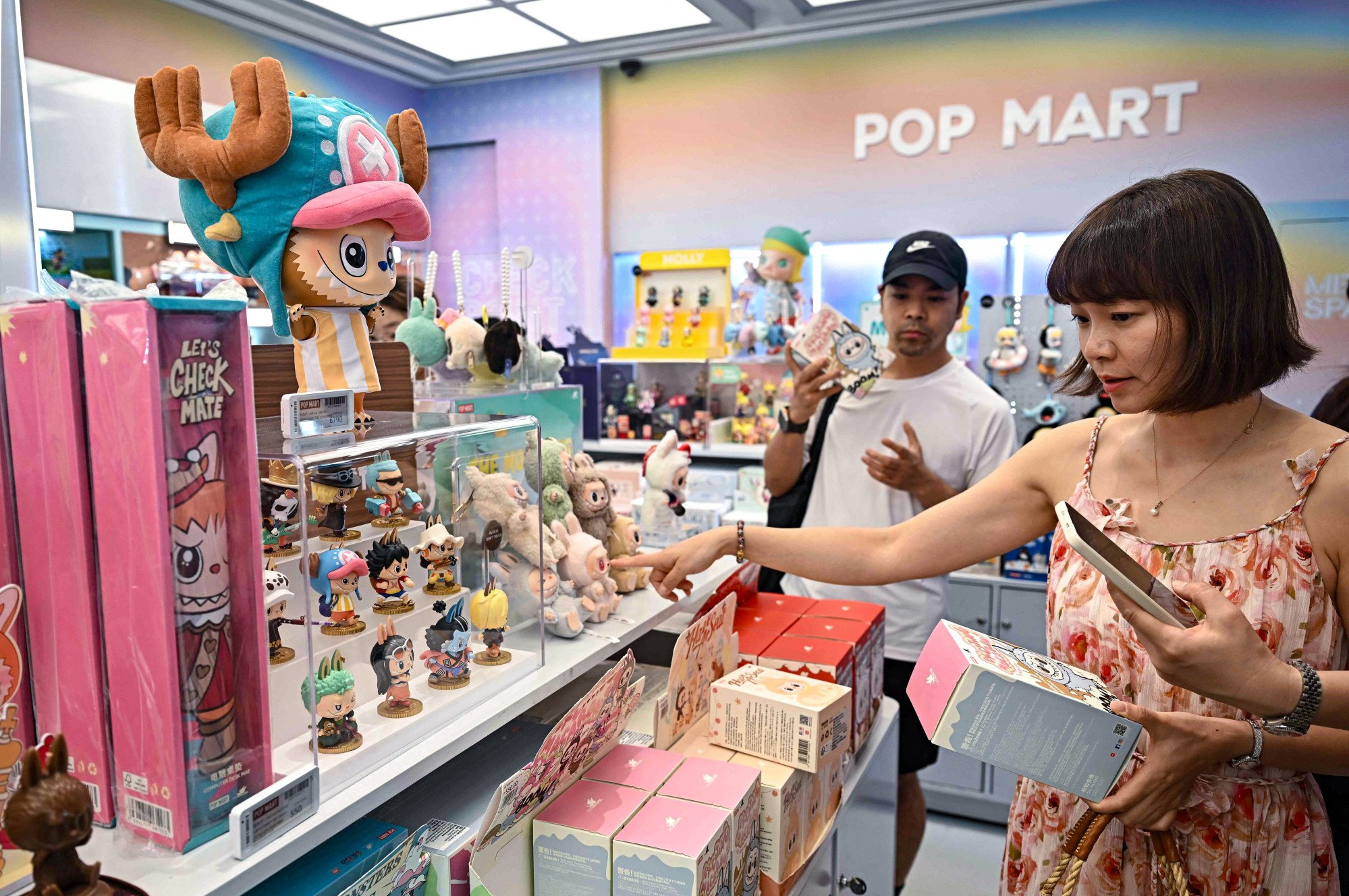
The long queues and crush of shoppers for IP product launches also suggested that physical stores selling such items could revive a struggling retail industry.
“On the mainland, developers want Pop Mart to open a shop in their malls because they draw a lot of young shoppers,” Ying said.
For Hong Kong to get a larger slice of the IP product pie, Ying said the city had to produce characters that reflected its unique culture and history.
He said Hong Kong creators could tap a potential market of 87 million people in the Greater Bay Area, which brings together the city, Macau and nine cities in Guangdong province.
He highlighted the cartoon pig McDull, created by Hong Kong illustrators Alice Mak and Brian Tse, as a character which connected with people across the border.
McDull lives in public housing, struggles with poverty, has a dark sense of humour and loves pineapple buns.
“Audiences in Guangdong province understand Cantonese and share similar cultural nuances. Some of them grew up watching Hong Kong television shows,” he said.
For starters, local retailers could buy the rights to famous IP characters and roll out collaborations, but Ying said a “fertile ecosystem” was needed to grow the industry in the long term.
“There needs to be government funding or investments in helping local creators grow their IP, come up with storylines or collaborate with comic or game developers, or else the popularity of the characters will die out quickly,” he said.
“Another possibility is to learn from Pop Mart and buy exclusive rights to new IPs and make the characters popular through toys, to draw consumers to learn more about the characters’ background story.”
Emotional support, a status symbol too
Hong Kong artist Pucky, who created the elfish character of the same name, said it allowed people to feel like they had entered a magical realm.
“Pucky represents the desire to keep dreaming and believing that magic exists,” said the artist who grew up in the city and Canada, and goes by one name only.
“Nowadays, many turn to dolls for emotional value, warmth and to keep that sense of childlike wonder. IP characters have this power to bring this healing energy to people.”
She entered an exclusive licence agreement with Pop Mart in 2017 and has been developing whimsical and dreamy magical designs since.
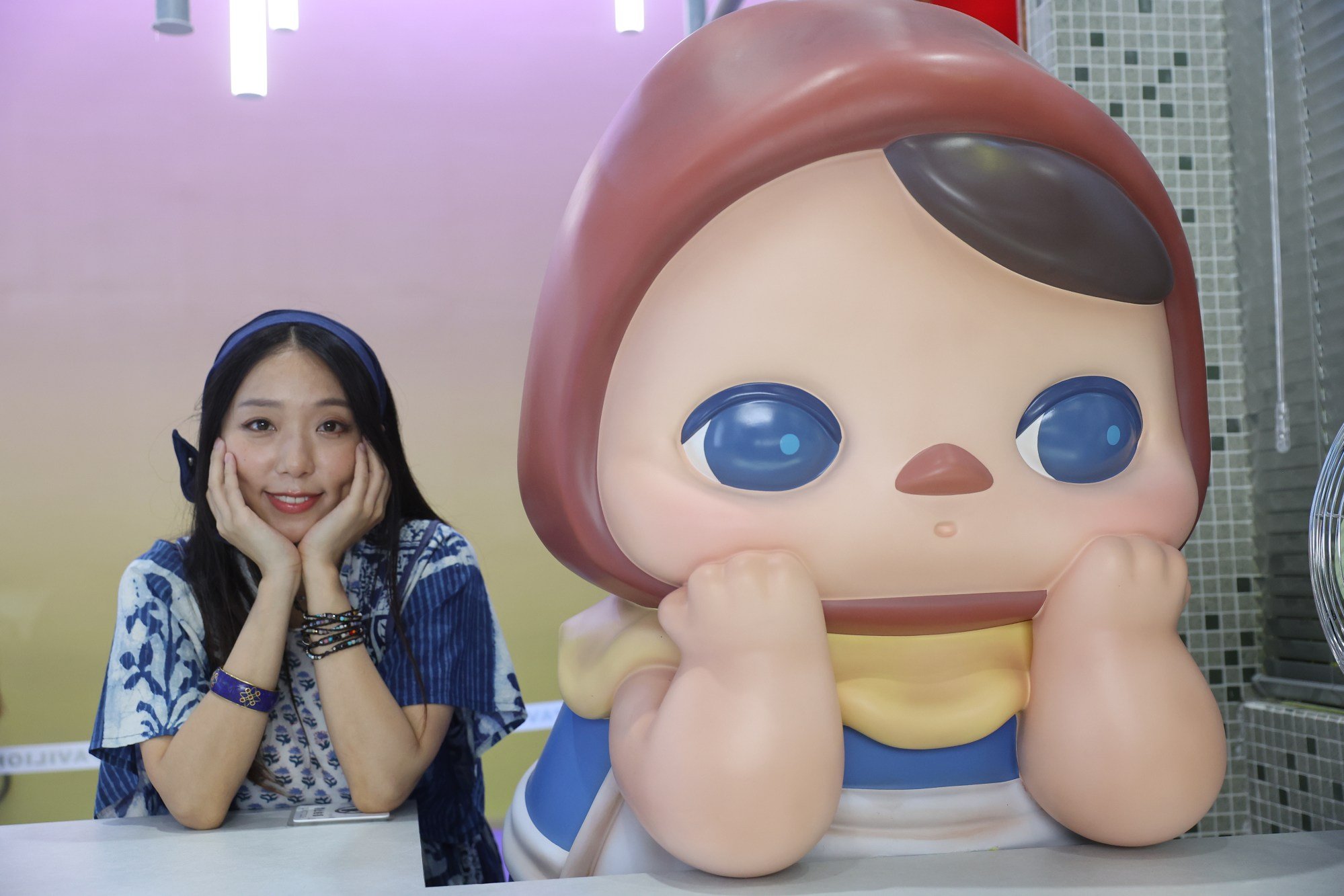
Molly creator Kenny Wong hoped his decade-long road to success would inspire young Hongkongers looking to break into the IP economy.
He said organising more exhibitions or events showcasing different IP characters could give young creators exposure and allow them to believe in the future of the IP goods economy.
“The only formula for success is to persevere and believe in yourself. I believe the IP economy has huge potential and will become a very important industry in the future.”
Sabrina Chien Xuanrui, a former auction house specialist and collector Kenneth’s art adviser, said toys had become valuable for their aesthetics, relevance and backstory.
“Sometimes the toy is a product of two artists working together and reflects the story behind their friendship, which draws collectors,” she said.
Social media has helped artists promote their latest works and interact with fans, driving demand quickly and making art toys more accessible to buyers.
The limited edition collaborations for high-end items, such as the Kaws watch, made some items exclusive status symbols.
“There’s a range of different products for different people,” she said.
Since Kenneth bought his watch, its value has almost doubled – with potential to fetch more than HK$3.8 million on the resale market – but he has no plans to sell it or any other items in his collection.
“Over time, I’ve got to know the artists,” he said. “My affection for their work has evolved from collecting to conversations.”
For him, IP products could tell stories, shape cultures and be passed on to future generations, whereas in his fintech industry, new technology often made old inventions obsolete.
“In art, new works don’t replace the old, they build on them, add to the conversation and deepen the cultural narrative,” he said.


