An investigation is being held into the collapse of a roof at a tourist site in central China following a major renovation project that finished last year.
Hundreds of tiles fell off the roof of the Fengyang Drum Tower in Anhui province on Monday evening in an incident captured on film that was widely shared online. No injuries were reported.
Fengyang county was the hometown of Hongwu, the founding emperor of the Ming dynasty (1368-1644) and the tower is one of the main local tourist attractions.
Do you have questions about the biggest topics and trends from around the world? Get the answers with SCMP Knowledge, our new platform of curated content with explainers, FAQs, analyses and infographics brought to you by our award-winning team.
The local culture and tourism bureau said the collapse was under investigation and the incident prompted media questions about the quality of the repair work carried out on the site.
The tower was built in 1375 in the early years of the Ming dynasty and it underwent extensive repairs in 1995. Further repair works on the roof began in 2023 and finished last year.
The most recent project cost 2.9 million yuan (US$402,600), according to digital news platform Thepaper.cn, which cited local procurement data.
Its report alleged that the contractor involved had a record of illegally subcontracting renovations to unqualified personnel and allowing them to undertake projects under its name.
The same contractor had also been in charge of repairing a large Ming dynasty ancestral hall in 2015, which ended up severely damaged in a fire during renovation, the report added.
Meanwhile China National Radio said a drone inspection in December had found cracks in the new roof.
State news agency Xinhua called for a thorough investigation into the project’s bidding process, finances and construction work.
Other media reports highlighted other alleged inconsistencies in the project. State broadcaster CCTV said the 1995 renovations had been illegally carried out, although Thepaper reported that a local official said the work had been approved.
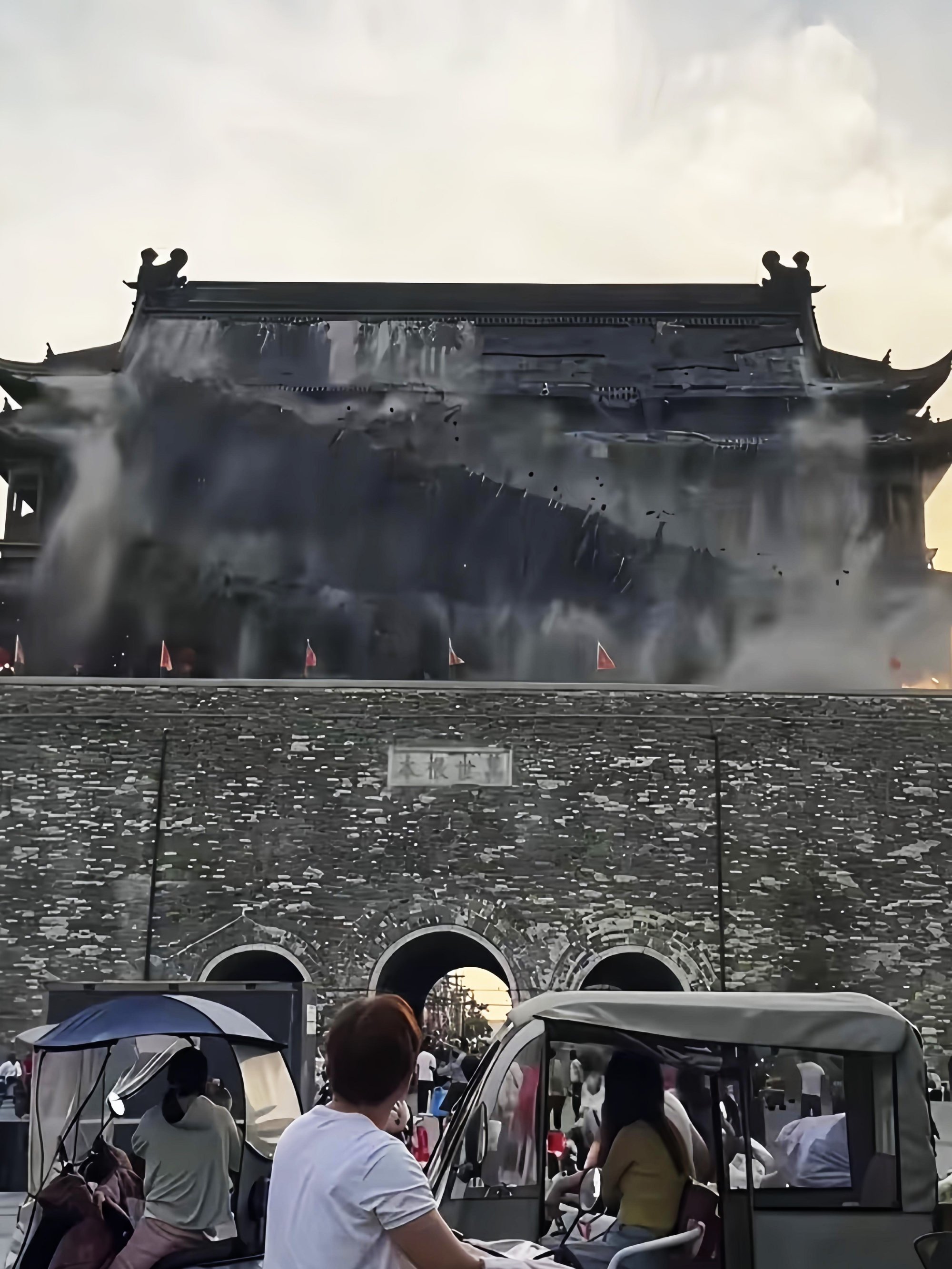
The collapse has reignited long-standing concerns over “tofu” buildings – a phrase commonly used to describe poorly constructed projects that are at risk of collapsing.
Some of the most notorious incidents in recent years include the collapse of a school gymnasium roof in Qiqihar in Heilongjiang province that killed 11 people in 2023.
The accident was attributed to poor construction practices, specifically the improper stacking of highly absorbent perlite on the roof, which became overloaded after absorbing excessive water during heavy rain.
The previous year, 54 people died when an eight-storey building in Changsha in Hunan province collapsed. Investigators concluded that the building had been designed and built by people without the proper qualifications to do so.
More from South China Morning Post:
- China hero who saved classmates during quake at age 9, applauded by public for becoming dad
- Chinese boy inspired by heroes during deadly 2008 Sichuan earthquake becomes paratrooper
For the latest news from the South China Morning Post download our mobile app. Copyright 2025.